

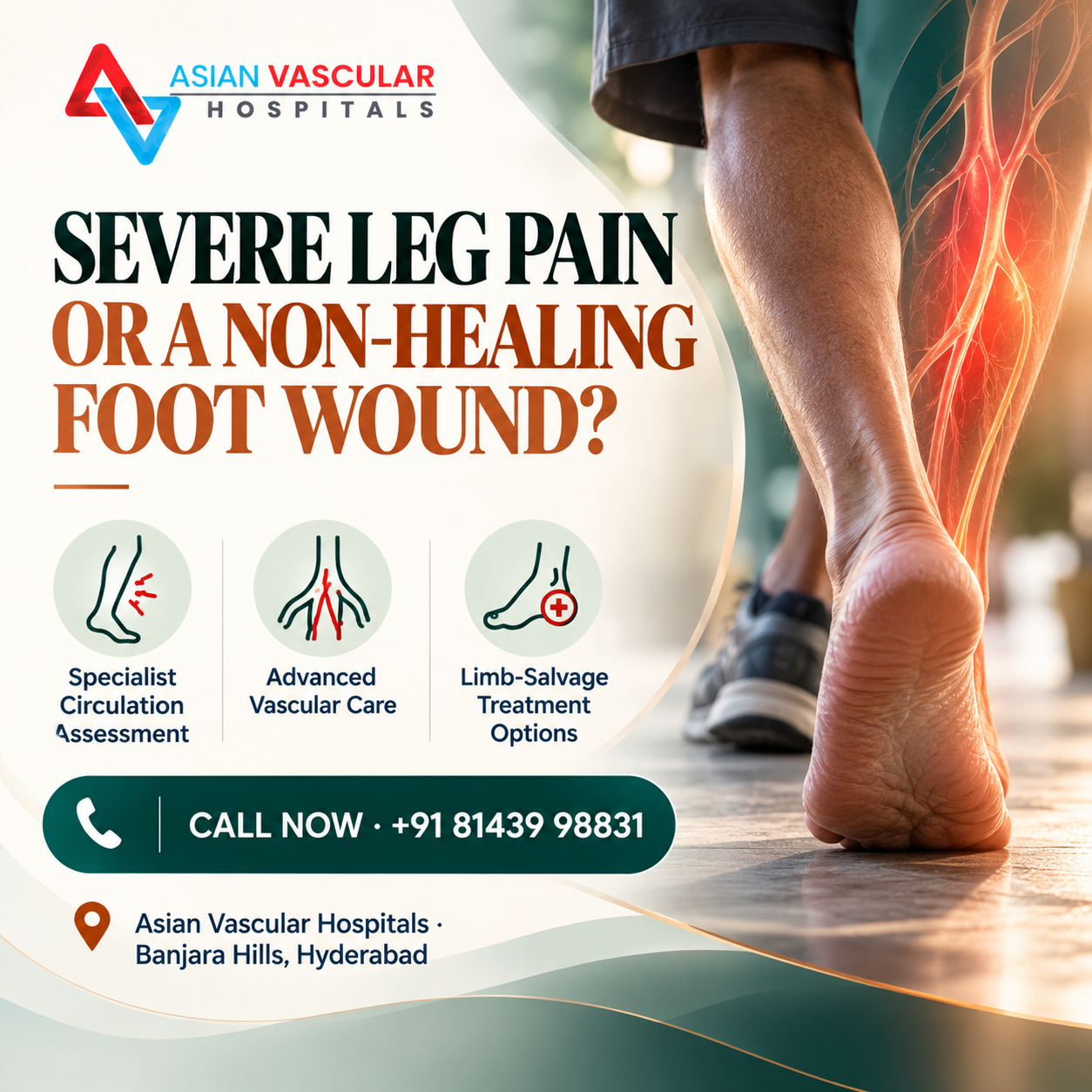
Persistent foot pain, a wound that refuses to heal, or blackening of a toe can sometimes indicate a serious problem with blood circulation. When blood flow to the lower limb becomes severely reduced because of peripheral artery disease (PAD), the condition may progress to chronic limb-threatening ischemia (CLTI).
CLTI is an advanced form of peripheral artery disease associated with an increased risk of tissue damage, amputation and other serious health complications. Early vascular assessment is important because treatment may help restore blood flow, address the cause of tissue damage and preserve a functional limb when possible.
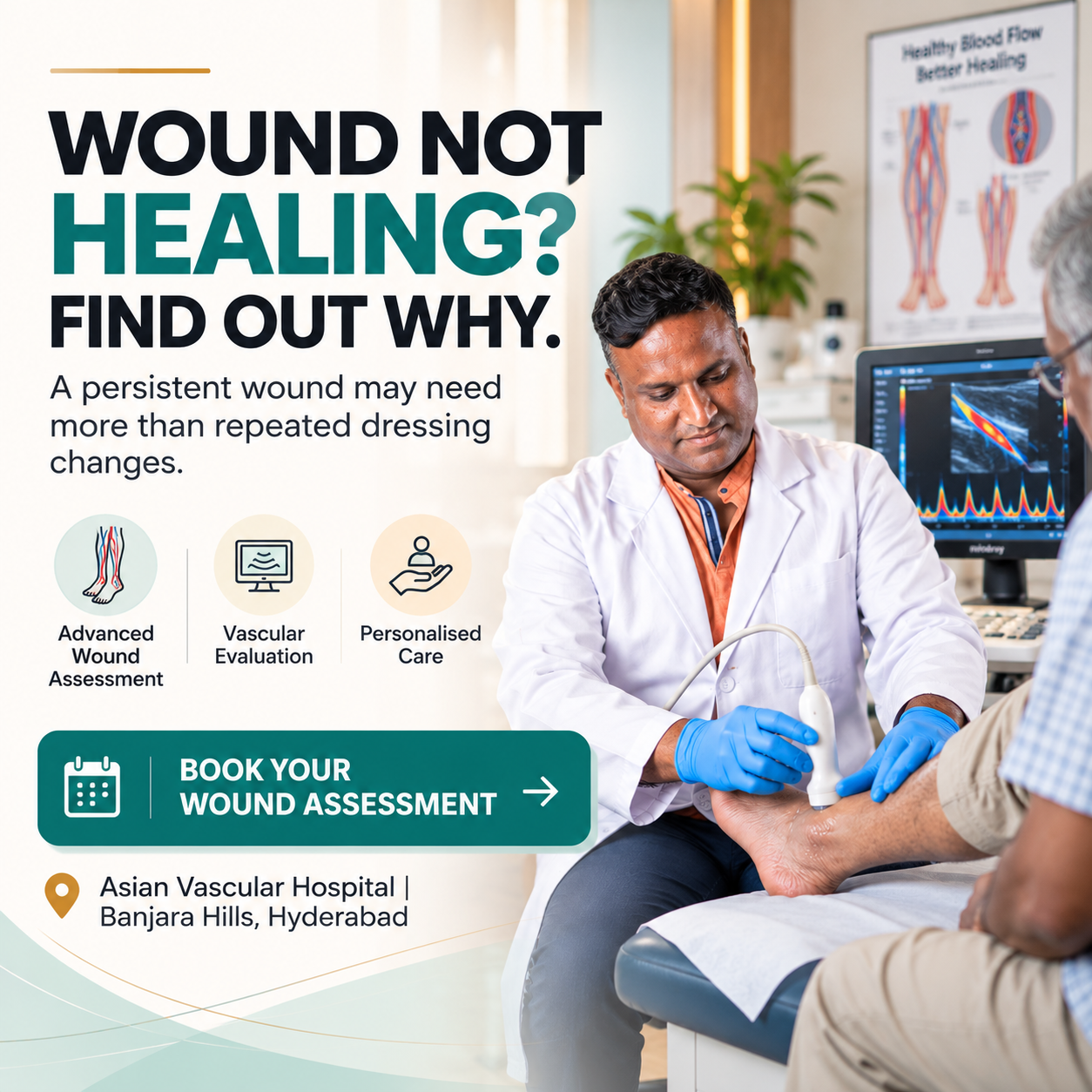
If you or a family member has persistent pain in the foot at rest, a non-healing foot ulcer or gangrene, seek prompt medical assessment. Do not assume that repeated wound dressings alone will address the problem if poor circulation is contributing to it.
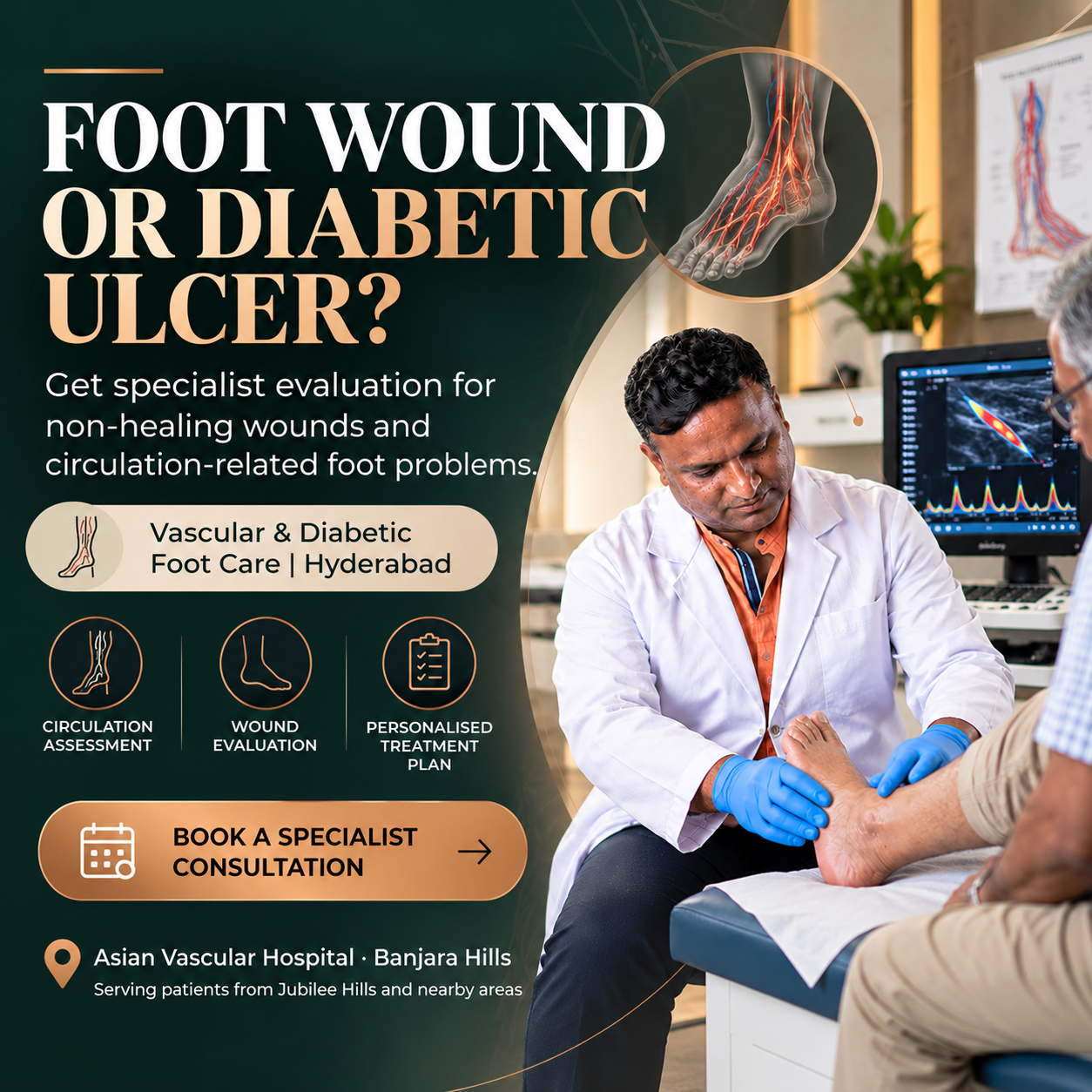
At Asian Vascular Hospitals in Banjara Hills, Hyderabad, patients can enquire about specialist assessment for peripheral artery disease, diabetic-foot complications and limb-salvage treatment.
Need a vascular assessment? Explore peripheral artery disease treatment in Hyderabad or call +91 81439 98831 to enquire about an appointment.
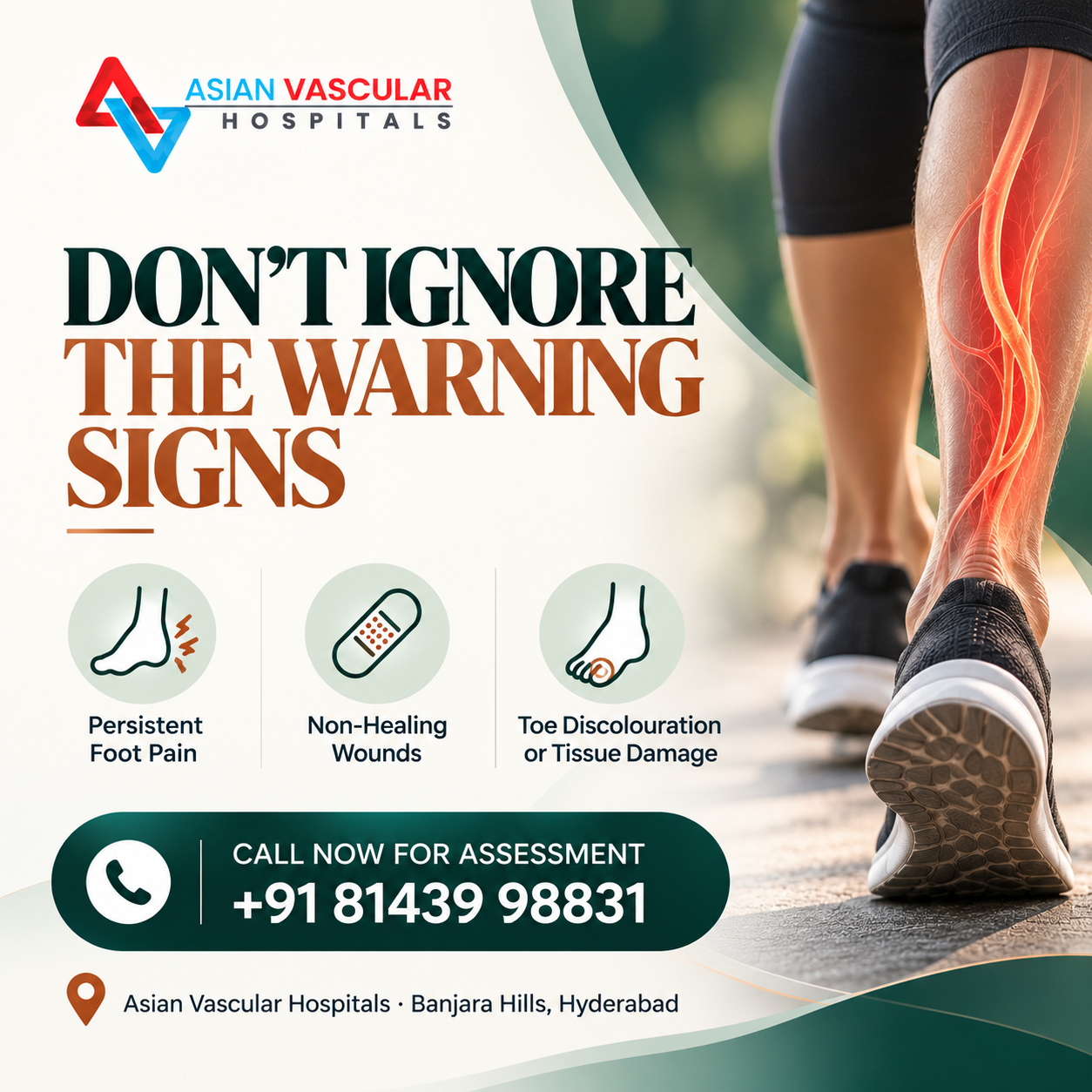
What Is Chronic Limb-Threatening Ischemia?
Chronic limb-threatening ischemia, commonly abbreviated as CLTI, is a severe presentation of peripheral artery disease in which blood supply to the lower limb is insufficient to meet the needs of the tissues.
It is generally associated with one or more of the following:
- Ischemic pain in the foot at rest.
- A lower-limb wound or ulcer that does not heal.
- Gangrene affecting a toe, foot or another part of the lower limb.
Clinical guidelines commonly describe chronic limb-threatening ischemia in the context of PAD with persistent ischemic rest pain or tissue loss. Diagnosis requires clinical assessment and objective evaluation of blood flow; symptoms alone cannot confirm the condition.
The problem often develops when arteries supplying the legs become narrowed or blocked, restricting the amount of oxygen-rich blood reaching the feet.
People with diabetes, chronic kidney disease, a history of smoking, high blood pressure or high cholesterol may have increased vascular risk. However, CLTI can affect different patients in different ways, and risk factors do not establish the diagnosis.
Unlike ordinary leg discomfort that occurs during walking, CLTI can involve pain at rest, persistent wounds or tissue damage. These symptoms deserve prompt attention from a qualified healthcare professional.
For an overview of the underlying arterial condition, visit our peripheral artery disease treatment page.
Symptoms of Chronic Limb-Threatening Ischemia
Recognising the warning signs can help patients seek assessment before tissue damage progresses.
1. Persistent Foot Pain at Rest
Ischemic rest pain can occur when blood flow is severely reduced. Patients may describe aching, burning or severe pain in the toes or forefoot, even when they are not walking.
In some cases, discomfort becomes worse when lying down or elevating the leg. This pattern can occur because the reduced circulation is insufficient to meet the tissues’ needs.
Rest pain has several possible causes, however. A clinical assessment is needed to determine whether arterial insufficiency is responsible.
2. Non-Healing Foot or Leg Wounds
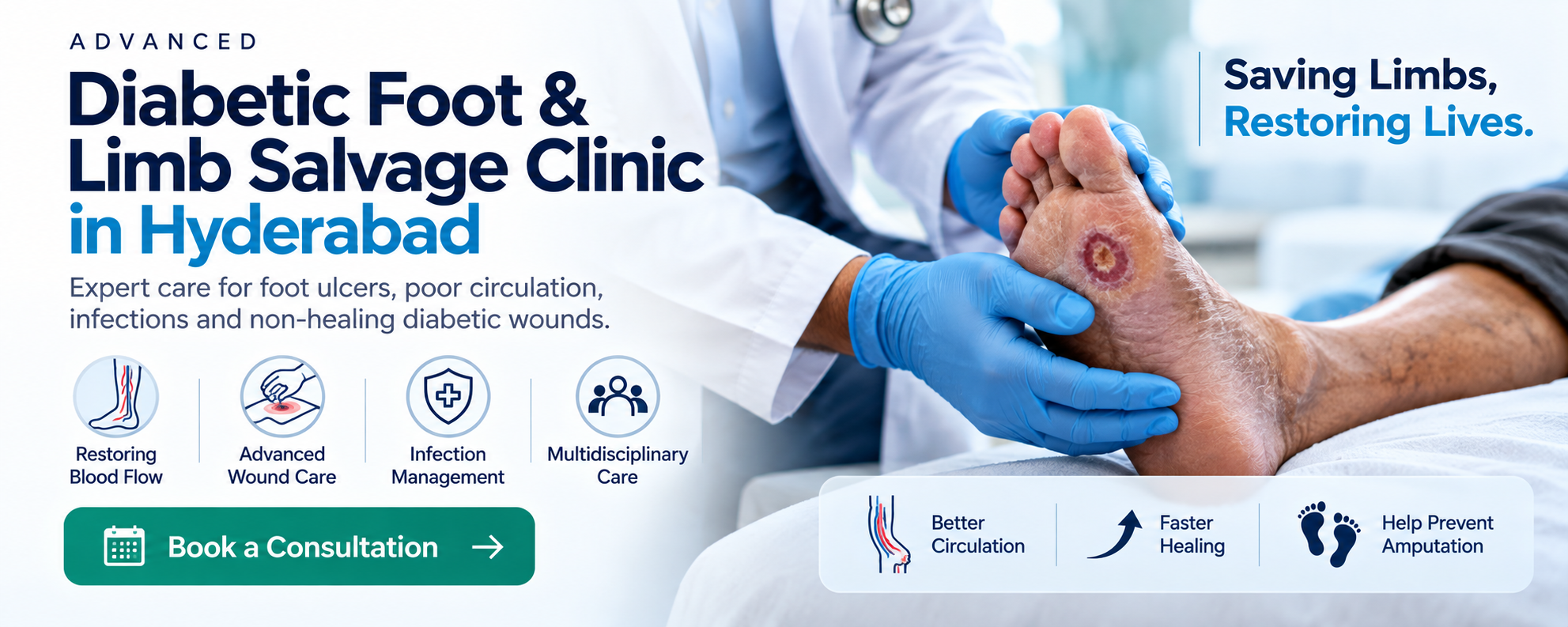
A small cut, blister or ulcer that remains open can sometimes indicate inadequate blood supply.
Warning signs include:
- A wound that does not improve with appropriate care.
- An ulcer on a toe, foot or lower leg.
- Wound edges or surrounding skin that appear unhealthy.
- Increasing pain or tissue breakdown.
- A wound associated with coldness or colour changes in the foot.
A persistent wound does not automatically mean a patient has CLTI. Infection, pressure, venous disease, diabetes-related complications and other conditions may contribute. Assessment should identify the underlying causes rather than treating the wound’s appearance alone.
Read more about diabetic foot ulcer treatment in Hyderabad.
3. Blackening of Toes or Gangrene
Black, dark or visibly damaged tissue can be a sign of gangrene or tissue death. In some patients, severe arterial insufficiency contributes to this damage.
Gangrene requires urgent medical evaluation. If blackening is accompanied by spreading redness, swelling, fever, severe pain or other signs of serious infection, seek emergency medical care.
Do not attempt to remove damaged tissue, apply unprescribed substances or manage suspected gangrene at home.
4. Coldness or Colour Changes in the Foot
A foot affected by reduced circulation may feel colder than the other foot or appear pale, bluish or discoloured. Reduced pulses may also be detected during a clinical examination.
These signs are not specific to CLTI, but when they occur alongside persistent pain, ulcers or tissue loss, they warrant prompt assessment.
5. Reduced Healing After a Diabetic Foot Injury
Diabetes can affect nerves, blood vessels and the body’s response to injury. Some people with diabetes may not feel a foot injury because of neuropathy, while PAD can reduce the blood supply needed for healing.
This means a diabetic foot ulcer can be present without severe pain.
A patient with diabetes should not wait for pain to become severe before seeking assessment for a persistent wound, colour change, tissue loss or suspected infection.
What Causes Chronic Limb-Threatening Ischemia?
The most common underlying cause is advanced peripheral artery disease, frequently associated with atherosclerosis. Atherosclerosis involves the build-up of plaque within the arteries, which can narrow or obstruct blood flow.
Several factors can contribute to the development or progression of PAD.
Diabetes
Diabetes increases the risk of vascular disease and can contribute to nerve damage and foot complications. When neuropathy and poor circulation occur together, injuries may go unnoticed and wounds can become more difficult to heal.
Smoking
Smoking is a major risk factor for peripheral artery disease. It can contribute to vascular damage and increase the risk of cardiovascular complications.
High Blood Pressure and High Cholesterol
High blood pressure and abnormal cholesterol levels can contribute to cardiovascular and arterial disease. Managing these risk factors is an important part of long-term vascular care.
Chronic Kidney Disease
People with chronic kidney disease, particularly those receiving dialysis, may have an increased burden of vascular disease. Arterial calcification can also affect the interpretation of some circulation tests.
Age and Established Cardiovascular Disease
The risk of PAD generally increases with age. People with a history of coronary artery disease, stroke or other vascular conditions may also require careful assessment for lower-limb arterial disease.
Having one or more risk factors does not mean that CLTI is inevitable. However, recognising these risks can help guide appropriate assessment and prevention.
How Is Chronic Limb-Threatening Ischemia Diagnosed?
The purpose of the assessment is to establish whether arterial disease is restricting blood flow, determine the severity of the problem and identify treatment options.
The exact tests depend on the patient’s symptoms, wound condition, medical history and examination findings.
1. Clinical Examination
A vascular specialist may assess:
- The location, size and appearance of any wound.
- Skin colour, temperature and tissue condition.
- Pulses in the legs and feet.
- The presence of rest pain or other symptoms.
- Signs of infection or gangrene.
- Diabetes, kidney disease and other relevant medical conditions.
A wound should be assessed for more than its surface appearance. The clinician also needs to consider whether the underlying circulation can support healing.
2. Ankle-Brachial Index (ABI)
The ankle-brachial index compares blood pressure measured at the ankle with blood pressure measured at the arm. It is commonly used to help identify PAD.
However, ABI can sometimes be falsely normal or elevated in people with diabetes or chronic kidney disease because their arteries may be difficult to compress.
When CLTI is suspected, a normal or inconclusive ABI result does not necessarily exclude significant disease. The clinician may need additional physiological tests.
3. Toe Pressure and Other Perfusion Tests
Depending on the clinical situation, testing may include toe pressure, toe-brachial index, Doppler waveforms or measurements of oxygen availability in the tissues.
These tests can help assess blood flow when standard ankle measurements are unreliable or when a clinician needs additional information about the likelihood of wound healing.
4. Doppler or Duplex Ultrasound
Duplex ultrasound combines imaging with an assessment of blood flow. It can help identify narrowed or blocked arteries and provide information about the location and extent of disease.
The results may help determine whether additional imaging is needed to plan treatment.
5. CT Angiography, MR Angiography or Catheter Angiography
More detailed vascular imaging may be needed when revascularisation is being considered.
These tests can map the arteries and help the vascular team evaluate potential approaches, such as angioplasty or bypass surgery.
The most appropriate test depends on the patient’s condition, kidney function, anatomy, the urgency of treatment and the resources available. Not every patient needs every test.
Treatment Options for Chronic Limb-Threatening Ischemia
Treatment aims to address the underlying arterial disease, relieve ischemic symptoms, manage wounds or infection, and preserve a functional limb whenever possible.
The appropriate approach depends on the severity of ischemia, the extent of tissue damage, arterial anatomy, general health and the patient’s goals.
1. Restoring Blood Flow Through Revascularisation
For patients with CLTI, revascularisation is a central treatment consideration. It aims to improve blood flow to the affected limb.
Two major approaches are endovascular treatment and surgical revascularisation. In selected cases, a combination of techniques may be considered.
The choice should be made after appropriate vascular assessment and discussion of the potential benefits, limitations and risks.
2. Angioplasty and Other Endovascular Treatments
Angioplasty is a minimally invasive procedure used to widen a narrowed or blocked artery. A catheter is guided through the blood vessels to the affected area, where a balloon may be used to improve the opening of the artery.
Depending on the location and characteristics of the blockage, the treatment plan may also involve a stent or other endovascular techniques.
Angioplasty may be appropriate for some patients with CLTI, but it is not suitable for every arterial blockage. The expected benefit depends on whether the procedure can establish adequate blood flow to the affected tissues and the patient’s overall clinical condition.
Learn more about angioplasty for diabetic-foot complications, particularly when PAD contributes to a non-healing wound.
3. Surgical Bypass
In selected patients, bypass surgery may be considered to create an alternative route for blood to reach the lower limb.
The surgeon uses a suitable blood vessel or graft to route blood around a diseased arterial segment. Whether bypass is appropriate depends on the arterial anatomy, the availability and quality of a suitable conduit, the patient’s operative risk and the likely long-term benefit.
Bypass and endovascular treatment are not interchangeable in every case. The decision requires an individual assessment.
4. Wound Care and Infection Management
Restoring blood flow is only one part of treating CLTI when a wound or tissue loss is present.
The care plan may also include:
- Appropriate wound cleaning and dressings.
- Assessment and treatment of infection.
- Pressure offloading to reduce stress on the affected area.
- Removal of non-viable tissue when clinically indicated.
- Diabetes management and nutritional assessment where appropriate.
- Ongoing review of wound progress and circulation.
The timing and order of these interventions depend on the patient’s condition. Severe infection or rapidly progressing tissue damage may require urgent treatment.
Explore the hospital’s wound healing and limb-salvage services.
5. Medical Management and Cardiovascular Risk Reduction
CLTI is associated with broader cardiovascular risk, not just the risk of tissue loss in the affected foot.
Depending on the patient’s medical history, the treatment plan may include clinician-prescribed medicines for cholesterol, blood pressure, platelet-related risk or other conditions.
Smoking cessation, diabetes management, appropriate physical activity and long-term cardiovascular care are also important. However, these measures should not delay urgent assessment or indicated revascularisation when a limb is threatened.
Do not start, stop or change prescribed medication without advice from your treating clinician.
Angioplasty vs Bypass: Which Treatment Is Better for CLTI?
There is no single procedure that is best for every patient.
| Consideration | Angioplasty or endovascular treatment | Surgical bypass |
|---|---|---|
| Approach | Catheter-based treatment through the blood vessels | Surgery creates an alternative route for blood flow |
| Anatomy | Depends on the location and characteristics of the arterial disease | Depends on the available target arteries and suitable conduit |
| Recovery | May involve a less invasive initial procedure, depending on complexity | Involves a surgical operation and its associated recovery |
| Long-term considerations | Some patients may require repeat intervention or further surveillance | Graft durability and long-term patency depend on several patient and procedural factors |
| Suitability | Determined by anatomy, limb severity, procedural risk and expected benefit | Determined by anatomy, available conduit, operative risk and expected benefit |
A vascular team may consider clinical presentation, arterial anatomy, available vein conduit, patient risk, treatment goals and the expected durability of each approach.
The decision is not based on the name of the procedure alone. It is about choosing an approach that offers an appropriate balance of benefit and risk for the individual patient.
Can Chronic Limb-Threatening Ischemia Be Treated Without Surgery?
Not every patient with PAD needs a procedure, but CLTI is different from uncomplicated leg pain during walking.
Medical treatment and risk-factor management are important, yet patients with confirmed CLTI often need urgent assessment for revascularisation. The treatment plan may include endovascular treatment, bypass surgery or other interventions, alongside wound and infection management.
Whether a procedure is appropriate depends on the patient’s clinical condition, limb viability, arterial anatomy, expected benefit and personal treatment goals.
If the limb is not salvageable or the risks of intervention outweigh the expected benefit, the care team may need to discuss other options. Such decisions require specialist assessment and shared decision-making.
Do not attempt to manage persistent rest pain, gangrene or a non-healing wound with home remedies or supplements instead of seeking appropriate medical care.
What Is the Role of Limb-Salvage Care?
Limb salvage refers to a coordinated approach intended to preserve a functional limb when serious vascular disease, tissue loss or other complications threaten it.
For patients with CLTI, this may involve several elements of care working together:
Vascular assessment: Determine whether poor arterial blood flow is contributing to the problem.
Revascularisation assessment: Consider whether blood flow can be improved through an appropriate procedure.
Wound and infection management: Address tissue damage, infection and pressure where present.
Management of underlying conditions: Coordinate diabetes care and other relevant medical treatment.
Follow-up: Monitor circulation, wound progress and the patient’s overall condition.
Not every patient will require all of these interventions. The plan should reflect the individual diagnosis and clinical findings.
The objective is to preserve a functional limb where possible, not to promise that amputation can always be avoided.
When Should You Seek Urgent Medical Attention?
Certain symptoms should never be ignored.
Seek prompt medical assessment for persistent foot pain at rest, a non-healing foot or leg wound, blackening of a toe, suspected gangrene or other signs of significantly reduced circulation.
Seek emergency medical care immediately if a foot or leg suddenly becomes cold, pale, severely painful, numb or weak, or if there is a sudden loss of movement. These symptoms may indicate acute limb ischemia, which is different from chronic limb-threatening ischemia and can require emergency treatment.
Also seek emergency care for rapidly spreading infection, severe swelling with systemic illness, confusion, collapse or other signs of serious illness.
Do not wait for a routine appointment when symptoms are sudden or rapidly worsening.
Frequently Asked Questions
- All Post
- blog
Related posts:
 Aneurysm Treatment in Hyderabad: Expert Care for Your Vascular Health
 Best Vascular Surgeon – Everything You Need to Know Before Choosing One
 Varicose Veins Treatment Cost – Affordable Laser Surgery in Hyderabad
 Peripheral Neuropathy: Causes, Symptoms, and Treatment Options
 🦶 Diabetic Foot Care at Asian Vascular Hospitals, Hyderabad
 Vascular Surgeon in Karimnagar: Advanced Vascular Care for Healthier Living
 Vascular Surgeon in Bhuvanagiri: Advanced Vein & Artery Care
 Varicose Veins Medical Treatment – Advanced Options for Lasting Relief