

Medically Reviewed By: Dr. G.V. Praveen Kumar, MS, DNB (Vascular Surgery)
Advanced Wound Care Clinic in Hyderabad: What to Expect During Your Visit
A wound that refuses to heal can affect much more than your skin. Persistent pain, difficulty walking, repeated dressing changes, and worries about infection can disrupt your daily routine and leave you uncertain about what to do next. If you have diabetes, poor circulation, or a wound that has remained open despite weeks of treatment, visiting a specialized wound care clinic may be an important next step.
Many patients delay specialist care because they are anxious about what the doctor might find, whether the examination will hurt, or whether surgery will be necessary. Understanding the consultation process can make that first visit less intimidating.
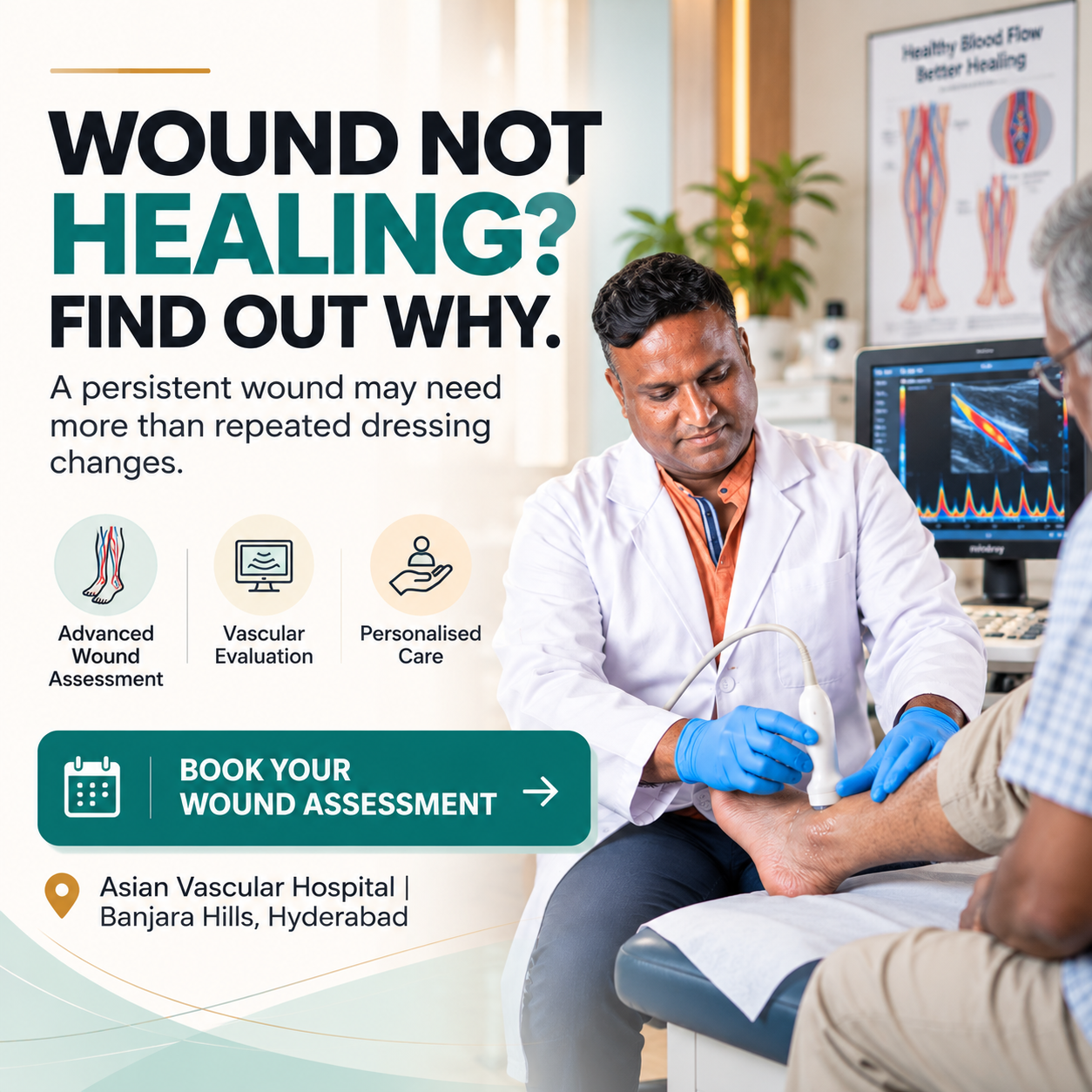
If you are searching online for a wound care specialist near me in Hyderabad, it helps to know what a proper assessment involves. At Asian Vascular Hospital in Banjara Hills, the evaluation of a chronic wound focuses not only on the visible sore but also on the underlying factors that may be preventing it from healing.
Depending on your condition, your visit may include a detailed medical history, physical examination, circulation assessment, diagnostic investigations, wound cleaning, and a discussion of treatment options. The aim is to understand the cause of the wound and develop an appropriate care plan based on your individual needs.
Why a Specialized Wound Clinic Is Different from General First-Aid
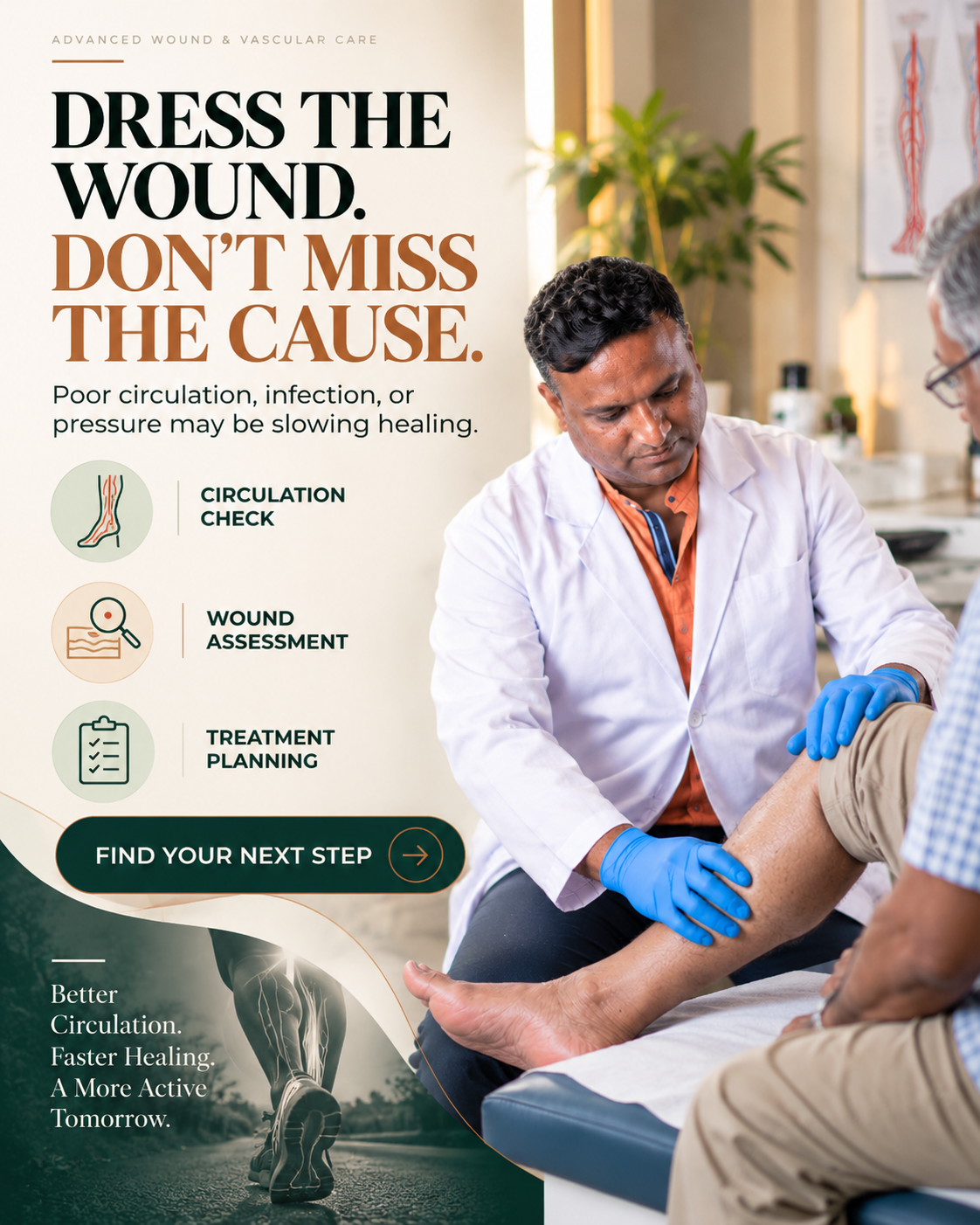
For a small, recent cut, basic first-aid may be sufficient. A wound that remains open, repeatedly breaks down, becomes infected, or develops on a diabetic foot is different. In these situations, simply changing the dressing may not address the reason healing has stalled.
A chronic wound can have several contributing causes, including:
- Poor arterial circulation: Narrowed or blocked arteries can reduce the oxygen-rich blood reaching the legs and feet.
- Diabetes and nerve damage: Reduced sensation may allow small injuries, pressure points, or blisters to go unnoticed.
- Venous insufficiency: Poor return of blood through the veins can cause swelling, skin changes, and ulcers around the lower legs.
- Infection: Bacteria can complicate a wound and, in some cases, affect deeper tissues or bone.
- Repeated pressure or friction: Ill-fitting footwear, prolonged pressure, or walking on an injured area can prevent closure.
- Other health factors: Smoking, poor nutritional intake, and certain medical conditions can interfere with normal healing.
A general dressing change may keep a wound covered, but it cannot necessarily restore blood flow, relieve pressure, or treat an underlying infection. This is why an assessment by a team experienced in vascular and wound care can be valuable.
At a specialized clinic, the clinician evaluates the wound alongside the patient’s circulation, sensation, medical history, and mobility. This helps determine whether the wound needs local care alone or a broader treatment plan.
If you are looking for the Best wound care hospital Hyderabad has to offer, consider whether the facility evaluates the underlying cause of non-healing wounds, has access to appropriate vascular investigations, and can discuss suitable treatment options rather than focusing only on repeated dressing changes.
Step 1 – Comprehensive Clinical Evaluation and Medical History
Your first appointment usually begins with a conversation about your health and the history of your wound. This information helps the doctor identify possible reasons for delayed healing and decide which examinations or tests may be appropriate.
What will the doctor ask?
You may be asked questions such as:
- When did the wound first appear?
- Did it begin after an injury, blister, pressure point, or without an obvious cause?
- Has its size, colour, drainage, or pain changed?
- Have you noticed swelling, redness, unusual odour, fever, or chills?
- Do you have diabetes, high blood pressure, vascular disease, or any other relevant medical condition?
- Do you smoke or use tobacco?
- What dressings, medicines, procedures, or home remedies have you already tried?
- Have you experienced numbness, tingling, cold feet, or pain while walking or resting?
For people with diabetes, blood sugar control is particularly relevant. The doctor may review recent glucose readings, HbA1c results if available, diabetes medications, and any history of neuropathy or previous foot ulcers.
Be honest about previous treatments, even if a wound has not improved. This helps the clinical team understand what has been attempted and whether a different approach is needed.
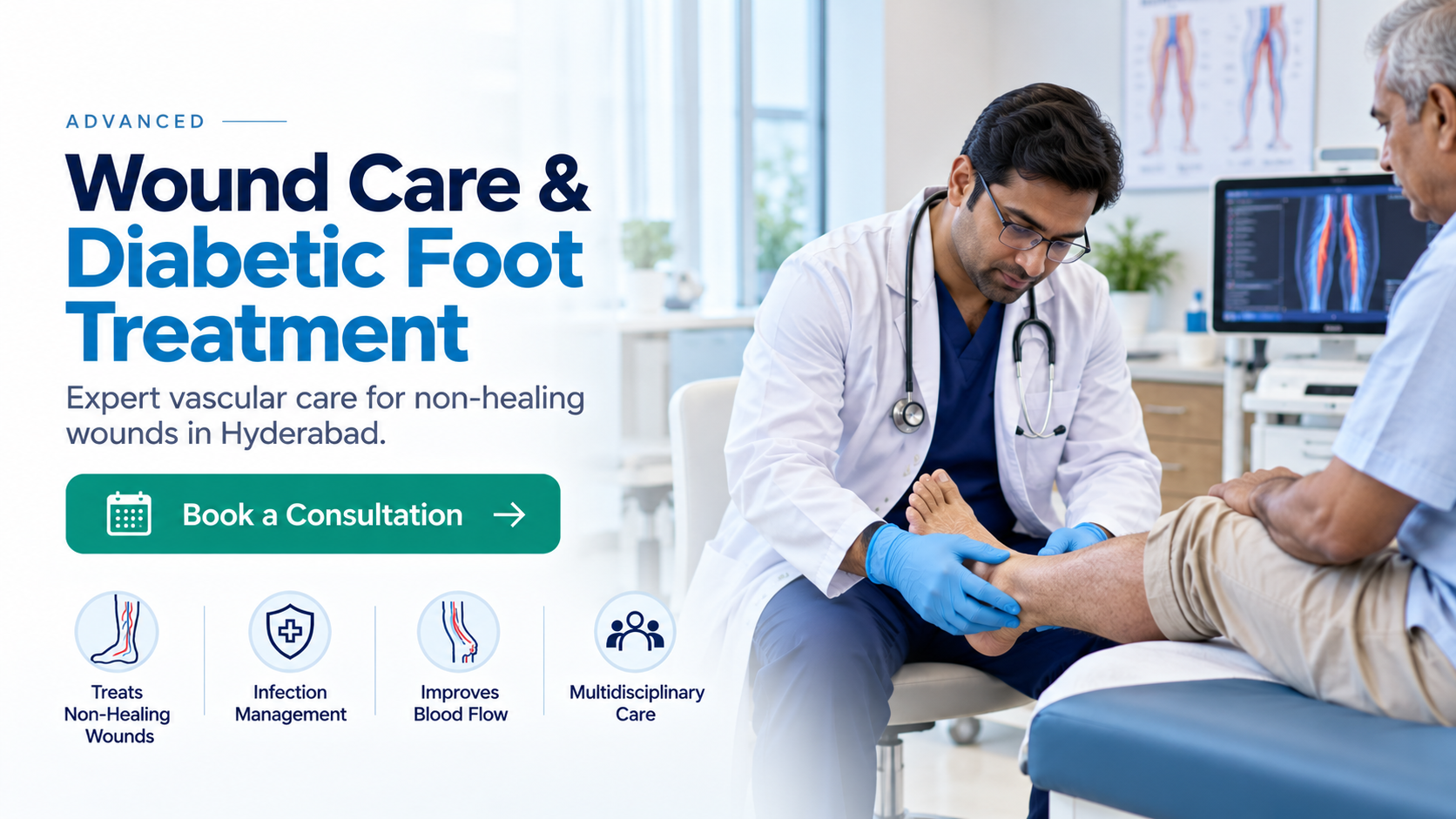
What does the physical examination involve?
The clinician will examine the affected area and may assess:
- Wound size and depth: The length, width, depth, location, and appearance of the wound.
- Surrounding skin: Redness, swelling, discolouration, dryness, thickened skin, or other changes.
- Drainage and infection indicators: The amount and appearance of discharge, tenderness, warmth, and other relevant signs.
- Blood circulation: Foot pulses, skin temperature, colour, and other signs that may suggest reduced blood flow.
- Sensation: Whether reduced protective sensation could be contributing to unnoticed injuries.
- Swelling and mobility: Factors that may affect wound healing or place pressure on the affected area.
The examination is adapted to the wound and your comfort. If the area is painful, tell the clinician before it is examined or cleaned. Some wounds may require additional assessment before any procedure is considered.
The purpose of this first step is not simply to label the wound. It is to build a clearer picture of why it developed and what may be preventing recovery.
Step 2 – Advanced Diagnostics: Doppler Ultrasound and Blood Flow Mapping
One of the most important questions in chronic wound care is whether enough blood is reaching the affected tissue. Wounds need an adequate supply of oxygen and nutrients to repair damaged tissue. When circulation is impaired, even a small injury can take longer to heal.
This is particularly important for people with diabetes, peripheral artery disease, or a history of vascular problems.
What is vascular ultrasound?
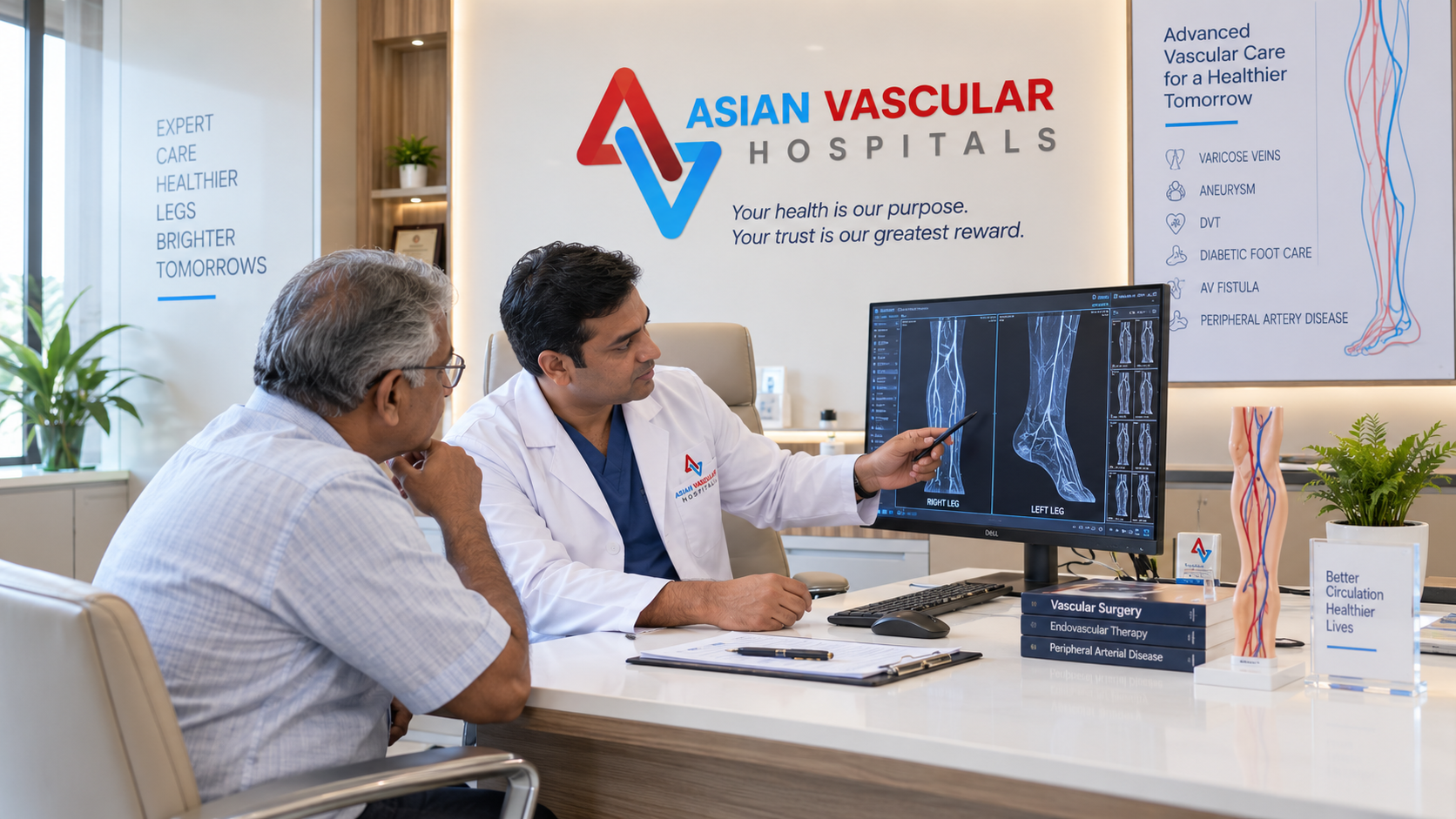
Depending on your examination, the doctor may recommend a Doppler or colour duplex ultrasound. This is a non-invasive imaging test that uses sound waves to assess blood flow through selected blood vessels.
For a patient with a leg or foot wound, the investigation may help the clinician evaluate:
- The direction and pattern of blood flow.
- Blood flow through the arteries supplying the leg and foot.
- Areas where arterial narrowing or blockage may be suspected.
- Venous blood flow when a vein-related problem is being investigated.
- Whether further vascular testing may be needed.
The exact examination depends on the suspected cause of the wound. An arterial study and a venous study answer different clinical questions, so not every patient requires the same test.
What does blood flow mapping involve?
During the scan, a trained operator generally applies gel to the skin and moves an ultrasound probe over the area being examined. The equipment records blood-flow signals and produces images that help assess the vessels.
The test does not use ionising radiation. It is generally painless, although pressure from the probe may cause discomfort if the surrounding area is tender.
The results are interpreted alongside your symptoms, physical examination, and other relevant findings. A Doppler scan does not automatically determine whether a wound will heal, and additional tests may sometimes be required.
Why is circulation assessment so important?
Imagine repeatedly dressing a wound while the tissue receives insufficient blood. Although the dressing may protect the surface, it cannot correct an arterial blockage.
If the doctor suspects reduced arterial circulation, further investigations may be recommended. Depending on the findings, treatment could include medication, risk-factor management, angioplasty, another endovascular procedure, or bypass surgery in selected cases.
For suspected venous disease, management may instead focus on swelling, venous pressure, and the underlying vein problem. Compression therapy can be useful for some venous ulcers, but it should be selected and supervised appropriately—particularly when arterial circulation may also be reduced.
The goal of vascular ultrasound and blood flow mapping is to help identify the problem and guide appropriate next steps, not to perform the same investigation or procedure for every patient.
Step 3 – Tailored Treatment and a Multidisciplinary Care Approach
Once the clinical assessment and any necessary investigations are complete, the doctor will explain the findings and discuss a treatment plan. The plan depends on the wound’s cause, depth, infection status, circulation, pressure on the affected area, and your overall health.
There is no single dressing, medicine, or procedure that is suitable for every chronic wound.
1. Wound cleaning and specialized debridement
Some wounds contain dead tissue, slough, or material that interferes with assessment and healing. When clinically appropriate, a trained clinician may recommend debridement—the removal of selected non-viable tissue or wound material.
The method depends on the wound and the patient’s condition. Options may include sharp or surgical debridement, conservative methods, or other approaches selected by the treating team.
Before debridement, the clinician considers factors such as circulation, bleeding risk, pain, infection, and the condition of the surrounding tissue. A wound with severely reduced blood supply may require careful planning before certain forms of tissue removal.
Debridement is not necessary for every wound, and it does not replace treatment of an underlying circulation problem or infection. The clinician should explain why it is being considered and what to expect during and after the procedure.
2. Restoring blood flow when arteries are blocked
If investigations show that poor arterial circulation is contributing to the wound, the vascular specialist may discuss ways to improve blood flow.
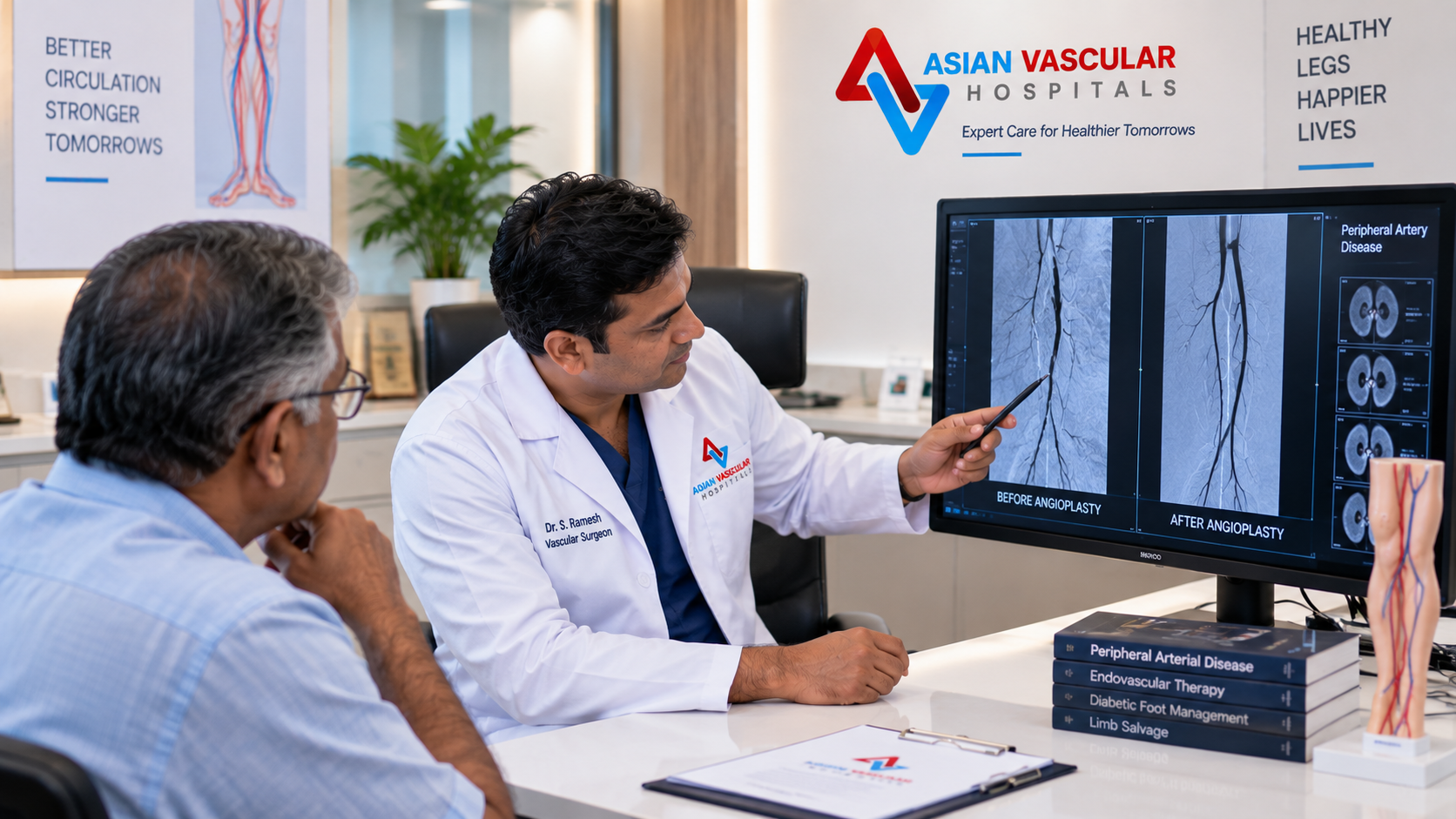
Angioplasty is a minimally invasive procedure that uses a catheter and a small balloon to widen a narrowed artery. In selected cases, a stent may also be used to help keep the vessel open. Other patients may be better suited to bypass surgery or a different management strategy.
Not everyone with a chronic wound needs angioplasty. The decision depends on the location and severity of arterial disease, the patient’s overall condition, the wound, and the expected benefits and risks of intervention.
Improving circulation can create better conditions for healing, but it cannot guarantee wound closure or eliminate every risk of complications. Wound care, pressure relief, infection management, diabetes control, and follow-up may remain essential after a vascular procedure.
3. Infection assessment and management
An infected wound may need more than cleaning and a new dressing. The clinician assesses whether the infection appears limited to the skin or whether deeper structures may be involved.
Depending on the findings, management may include wound cleaning, drainage of an abscess, appropriate antimicrobial treatment, laboratory investigations, imaging, or surgical assessment. Antibiotics are used when clinically indicated; they are not automatically required for every chronic wound.
Signs such as rapidly spreading redness, increasing warmth or swelling, pus, worsening pain, fever, or sudden deterioration require prompt medical assessment. People with diabetes may have significant foot infections even when pain is limited because nerve damage can reduce sensation.
4. Choosing the right wound dressing
Dressings are selected according to the wound’s condition. Some wounds need moisture balance, while others require careful management of heavy drainage or protection of fragile surrounding skin.
Your care team may explain:
- How often the dressing should be changed.
- Whether dressing changes can be completed at home.
- How to protect the wound from contamination and friction.
- What to do if the dressing becomes wet, loose, or heavily soiled.
- Which changes should prompt an earlier review.
More expensive or heavily marketed dressings are not automatically better. The right choice depends on the wound, the available clinical evidence, and the treatment plan.
5. Pressure relief and diabetic foot protection
When a wound is on the sole, heel, toe, or another pressure-bearing area, walking can repeatedly stress the damaged tissue. This can delay healing even when the wound is cleaned and dressed correctly.
Pressure relief, often called offloading, reduces the force placed on the affected area. Depending on the wound and the patient’s mobility, the clinician may recommend suitable footwear, a removable offloading device, a cast or other specialist device, or temporary changes in activity.
Do not independently choose a device or continue walking normally on a foot wound without advice. The appropriate level of pressure relief depends on the location of the wound, infection, circulation, balance, and other factors.
6. Limb salvage when a wound threatens the foot or leg
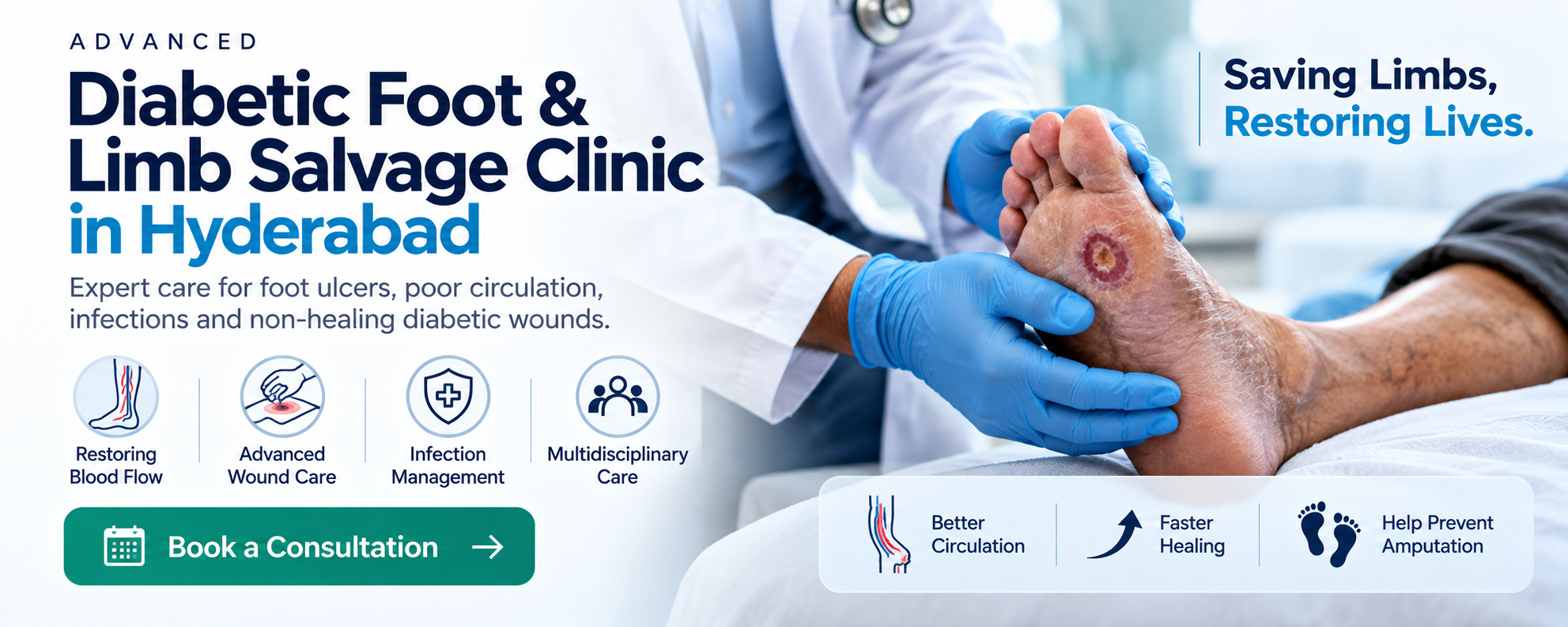
Some patients arrive with advanced wounds, severe infection, gangrene, or significant arterial disease. In these situations, the team may need to assess whether urgent treatment is required to control infection, improve circulation, remove non-viable tissue, or protect the remaining healthy tissue.
Specialized wound debridement and limb salvage are not single treatments. They describe parts of a broader approach that may combine vascular intervention, infection control, wound management, pressure relief, and ongoing medical care.
The appropriate plan depends on the extent of tissue damage and the patient’s overall condition. Limb salvage cannot be guaranteed, but timely specialist assessment can help identify potentially treatable problems and clarify the available options.
Step 4 – Home Care, Recovery Guidance, and Follow-Up
Your care does not end when you leave the clinic. What happens between appointments can influence the wound’s progress, so the clinical team should explain the home-care plan clearly.
Follow your dressing instructions
Use the dressing materials and change schedule recommended by your clinician. Wash your hands before and after wound care, and avoid applying unprescribed powders, creams, herbal preparations, or harsh antiseptics to the wound.
Do not cut away dead tissue yourself, soak an open wound unless instructed, or use a home remedy as a substitute for medical assessment. If you cannot manage the dressing safely, ask whether a trained professional or caregiver can help.
Protect the affected foot or leg
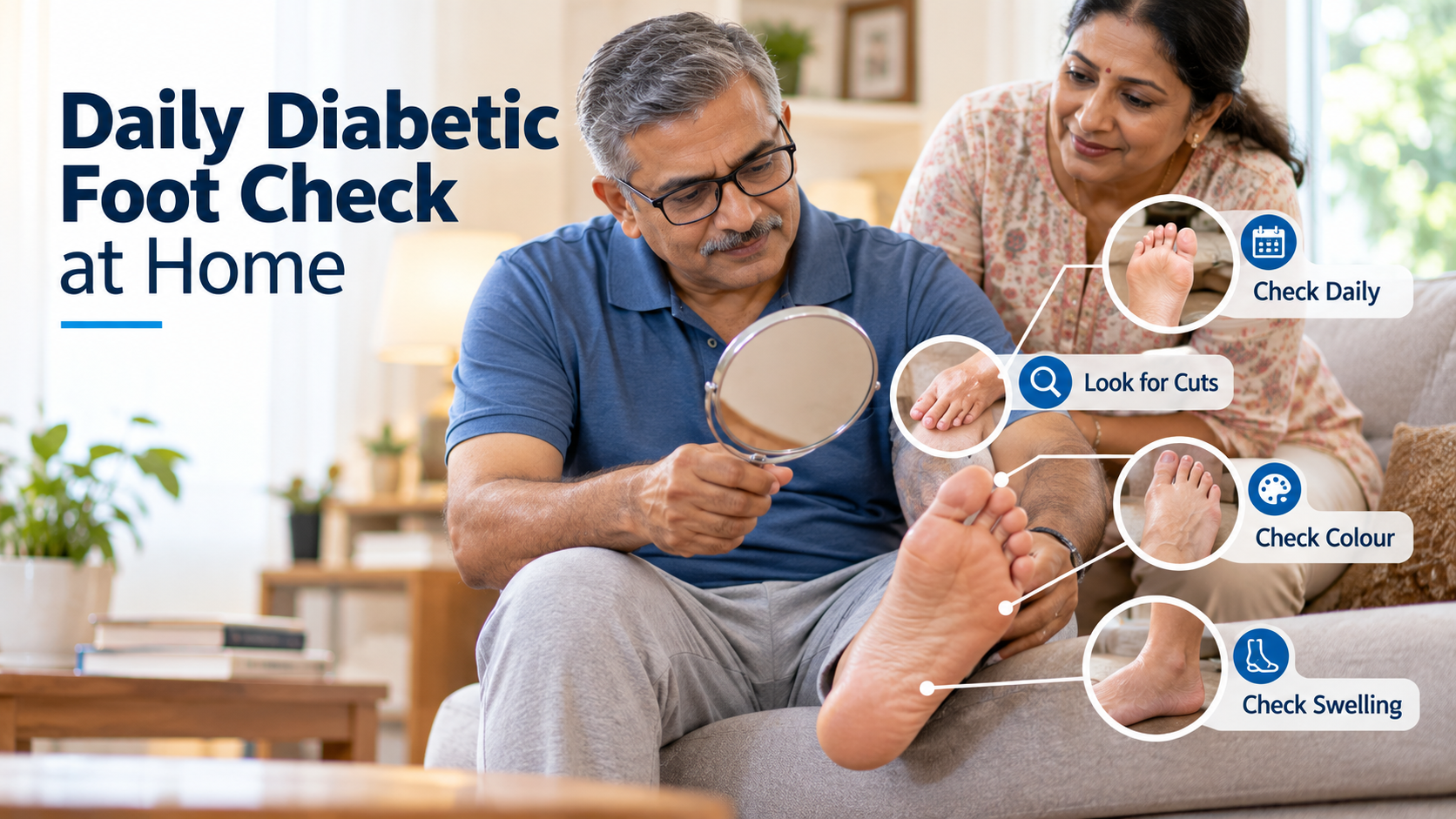
If the wound is on your foot, check the area daily and avoid walking barefoot. Use footwear that does not rub or press on the wound, and follow the recommended offloading plan.
If you have reduced sensation, do not rely on pain alone to judge whether an injury is worsening. Use visual checks or ask a family member or caregiver to help if you cannot see the sole of your foot clearly.
Support healing through nutrition and medical management
Healing requires adequate energy, protein, fluids, and essential nutrients. Include balanced meals with appropriate sources of protein and other nutrients, based on your dietary needs and any medical restrictions.
If you have diabetes, follow your prescribed glucose-management plan. Do not stop or change medicines without speaking to your treating clinician. Smoking cessation, where relevant, can also support vascular health.
If you have kidney disease or another condition that affects your diet or fluid intake, seek individual advice rather than starting supplements or making major dietary changes on your own.
Attend follow-up appointments
The frequency of follow-up depends on the wound’s severity, infection risk, circulation, and treatment. At review appointments, the clinician may assess changes in wound size, drainage, surrounding skin, pain, and other clinical findings.
The plan may be adjusted if the wound is not progressing as expected. Some patients need repeated dressing care; others require additional vascular tests, changes to pressure relief, or further treatment of infection or the underlying disease.
Ask your clinician who to contact if the wound changes between appointments and what symptoms require urgent attention.
When should you seek urgent medical attention?
Do not wait for a routine follow-up if you develop:
- Rapidly spreading redness or swelling.
- New pus, a strong or unusual odour with worsening wound changes, or rapidly increasing drainage.
- Fever, chills, confusion, or feeling seriously unwell.
- New black or blue tissue, sudden colour change, or a foot that becomes unusually cold.
- Sudden severe pain, or a significant change in sensation or movement.
A diabetic foot wound with blackening tissue, spreading infection, or rapid deterioration needs urgent assessment. If you have severe symptoms or feel acutely unwell, seek emergency medical care.
Book Your Consultation at an Advanced Wound Care Clinic in Hyderabad
A chronic wound should not be judged only by how it looks on the surface. When healing stalls, finding the underlying cause—whether it is reduced circulation, diabetes-related nerve damage, venous disease, infection, or repeated pressure—is an important part of choosing appropriate care.
If you have been searching for a wound care specialist near me in Hyderabad, Asian Vascular Hospital offers vascular and wound-care assessment in Banjara Hills. Dr. G.V. Praveen Kumar, MS, DNB (Vascular Surgery), leads the hospital’s vascular and endovascular care services.
During your consultation, the team can assess your wound, determine whether circulation investigations or other tests are appropriate, and discuss treatment options based on your clinical findings.
You can also read our main guide to Advanced Wound Care and Diabetic Foot Treatment in Hyderabad to learn more about wound assessment and treatment.
Asian Vascular Hospital, Banjara Hills, Hyderabad
Call for an appointment: +91 81439 98831
Do not let uncertainty about the first visit prevent you from seeking an assessment. Early evaluation can help identify the cause of a non-healing wound and determine the next appropriate step.
Frequently Asked Questions
- All Post
- blog
Related posts:
 Vascular Surgeon Vijayawada – Advanced Care by Dr. G.V. Praveen Kumar
 Early Stage Diabetic Foot Ulcer – Catch It Before It Gets Serious
 🧠 Peripheral Neuropathy Test – Detect Nerve Damage Early & Protect Your Health
 Laser Treatment for Varicose Veins Near Me – Asian Vascular Hospitals
 🌟 Best Treatment for Peripheral Neuropathy – Asian Vascular Hospitals
 Vascular Surgeon in Medchal: Advanced Care for Healthy Circulation
 Diabetic Foot Shoes: Comfort & Protection for Every Step
 👣 Podiatrist Hyderabad – Expert Foot & Ankle Care at Asian Vascular Hospitals