
Clinically Reviewed by: Dr. G.V. Praveen Kumar, Founder & Chief Consultant Vascular Surgeon
Clinical Disclaimer: This content is for general educational purposes and does not replace an individual medical evaluation or treatment plan. Diabetic foot wounds can worsen quickly and should be assessed by a qualified healthcare professional.
When a Diabetic Foot Wound Isn’t Healing, Don’t Wait
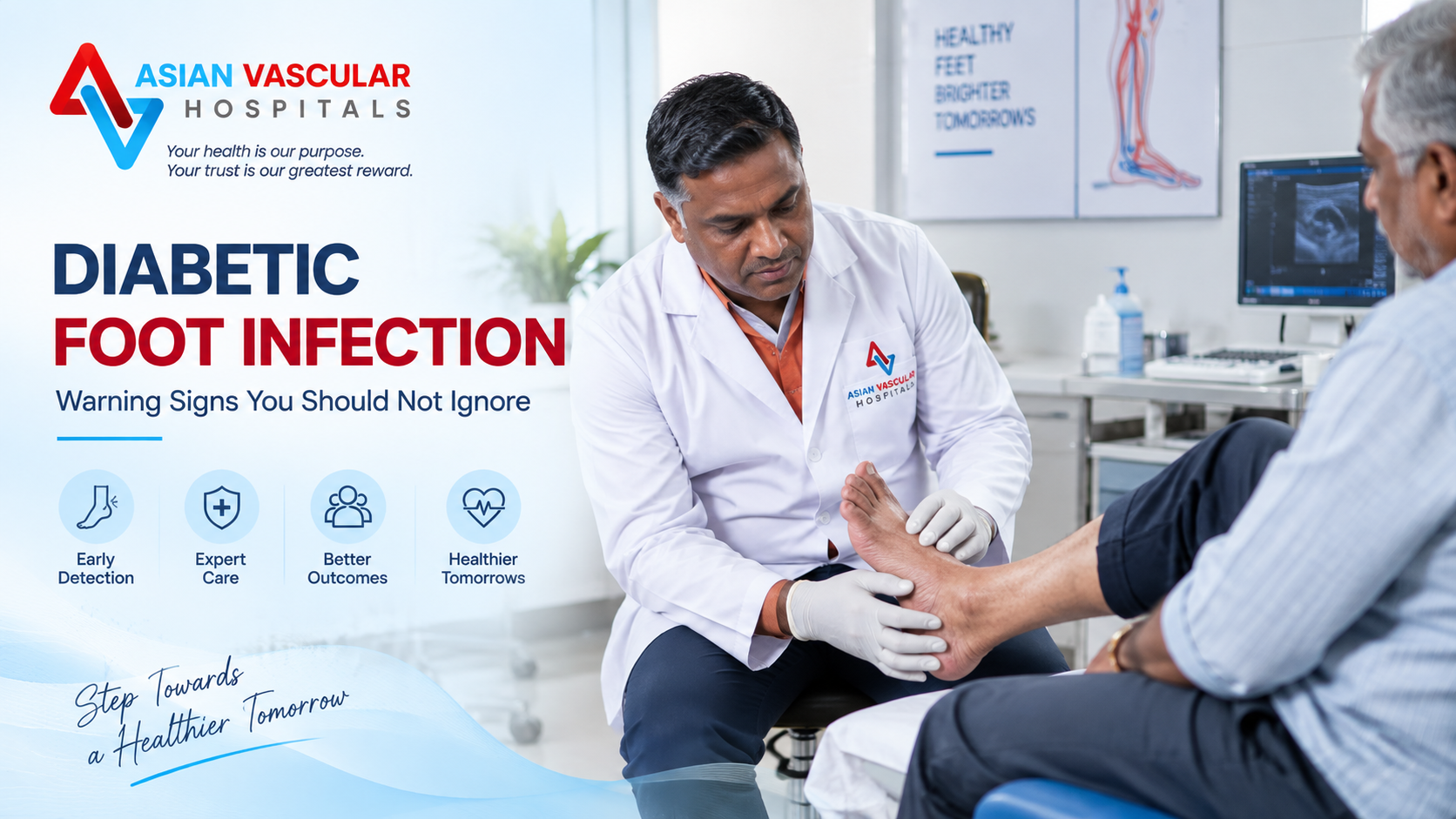
A small cut, blister, or ulcer can become a serious problem when diabetes affects the nerves and blood circulation in the feet.
Diabetic neuropathy can reduce sensation, making it difficult to notice injuries. At the same time, peripheral artery disease (PAD) can reduce blood flow and oxygen delivery to the foot, making wounds harder to heal. When infection, poor circulation, and tissue damage occur together, prompt specialist assessment becomes particularly important.
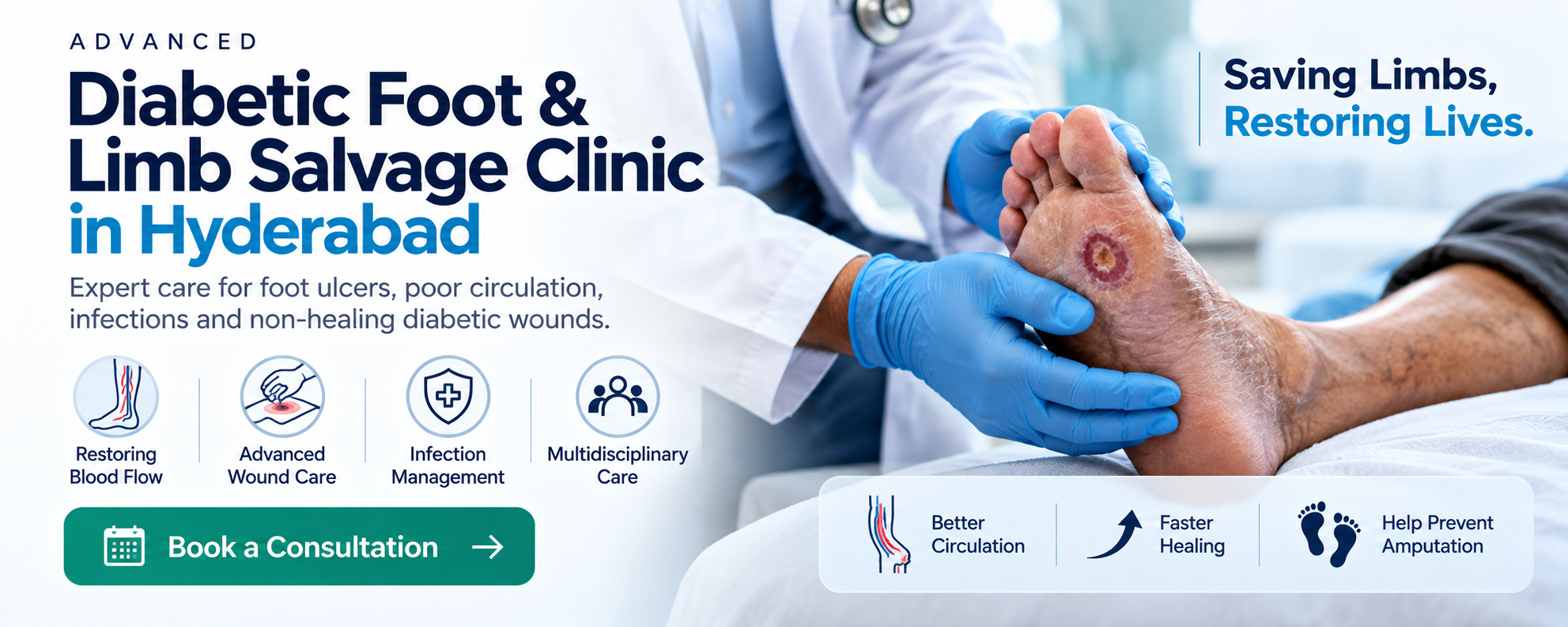
ing for a Diabetic Foot & Limb Salvage Clinic in Hyderabad, the priority is not simply treating the wound on the surface. The underlying causes—such as infection, pressure, nerve damage and reduced blood supply—also need to be evaluated.
Red Flag Symptoms: When to Visit a Diabetic Foot Specialist
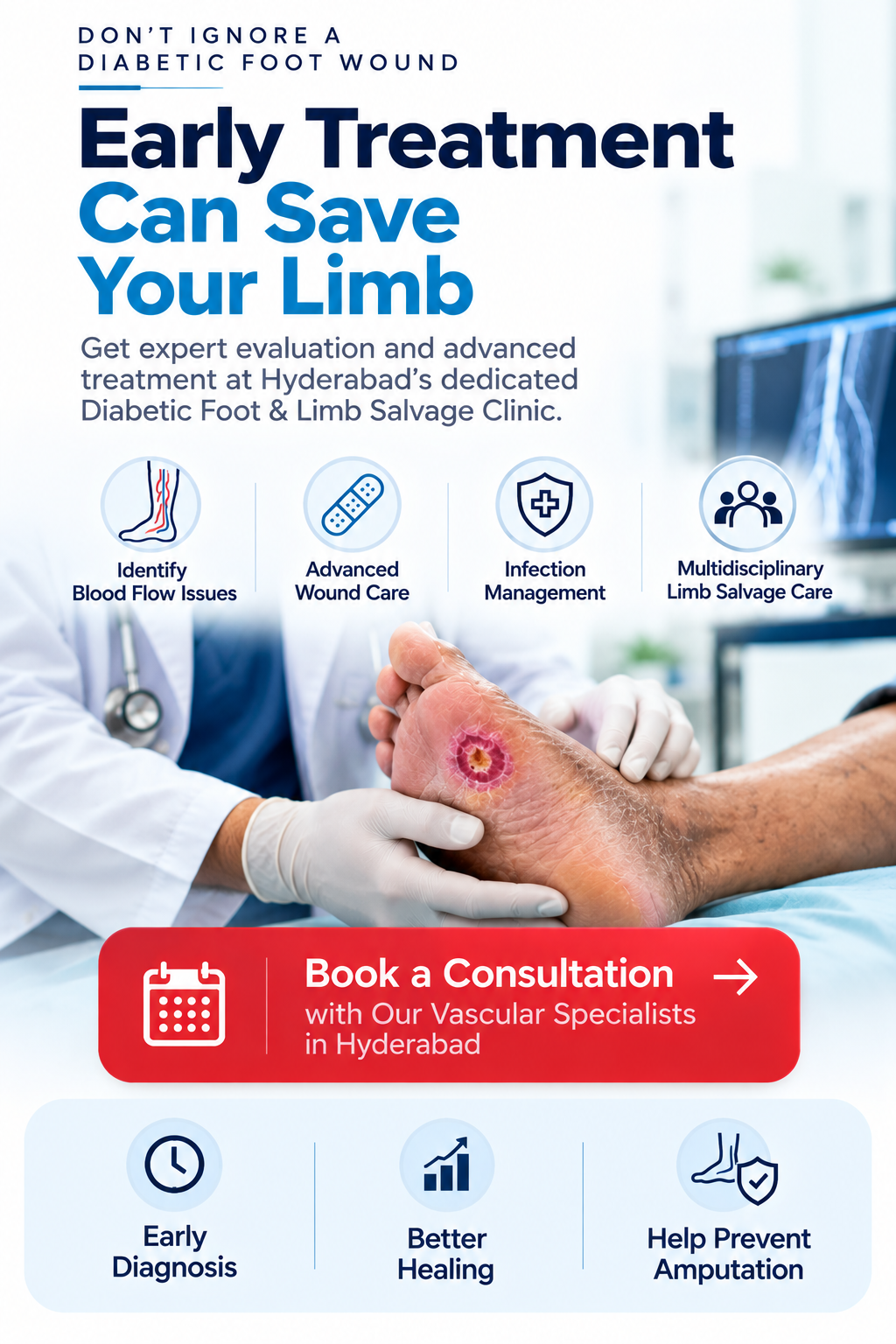
Do not ignore changes in your feet if you have diabetes.
Seek prompt medical assessment if you notice:
- Numbness or reduced sensation
- Tingling or burning sensations
- A foot that feels unusually cold
- A cut, blister or sore that is not healing
- Persistent swelling or redness
- Skin becoming pale, blue, dark or unusually discoloured
- Increasing pain or tenderness
- Pus, discharge or an unpleasant smell
- Blackened tissue or signs of gangrene
- A sudden change in the shape or temperature of the foot
A non-healing wound, new colour change, swelling, infection, severe pain, or a suddenly cold or numb foot can indicate a serious diabetic foot problem requiring urgent specialist care.
Don’t wait for a diabetic foot wound to become severe. Early clinical assessment can help identify infection, pressure-related problems and circulation issues before more tissue is damaged.
What Is Limb Salvage?
Limb salvage refers to a coordinated approach to treating a seriously threatened foot or lower limb with the goal of preserving useful tissue and, when clinically possible, avoiding major amputation.
For patients with diabetes, a wound may fail to heal because the arteries supplying the foot are significantly narrowed or blocked. This is why evaluating circulation is an important part of managing a diabetic foot ulcer.
The 2023 IWGDF PAD guideline recommends that people with diabetes, PAD and a foot ulcer or gangrene receive care through centres with expertise or rapid access to endovascular and surgical revascularisation, with treatment decisions tailored to the individual’s condition.
Step 1: Restoring Blood Flow
Depending on the location and severity of arterial disease, a vascular surgeon may consider procedures such as:
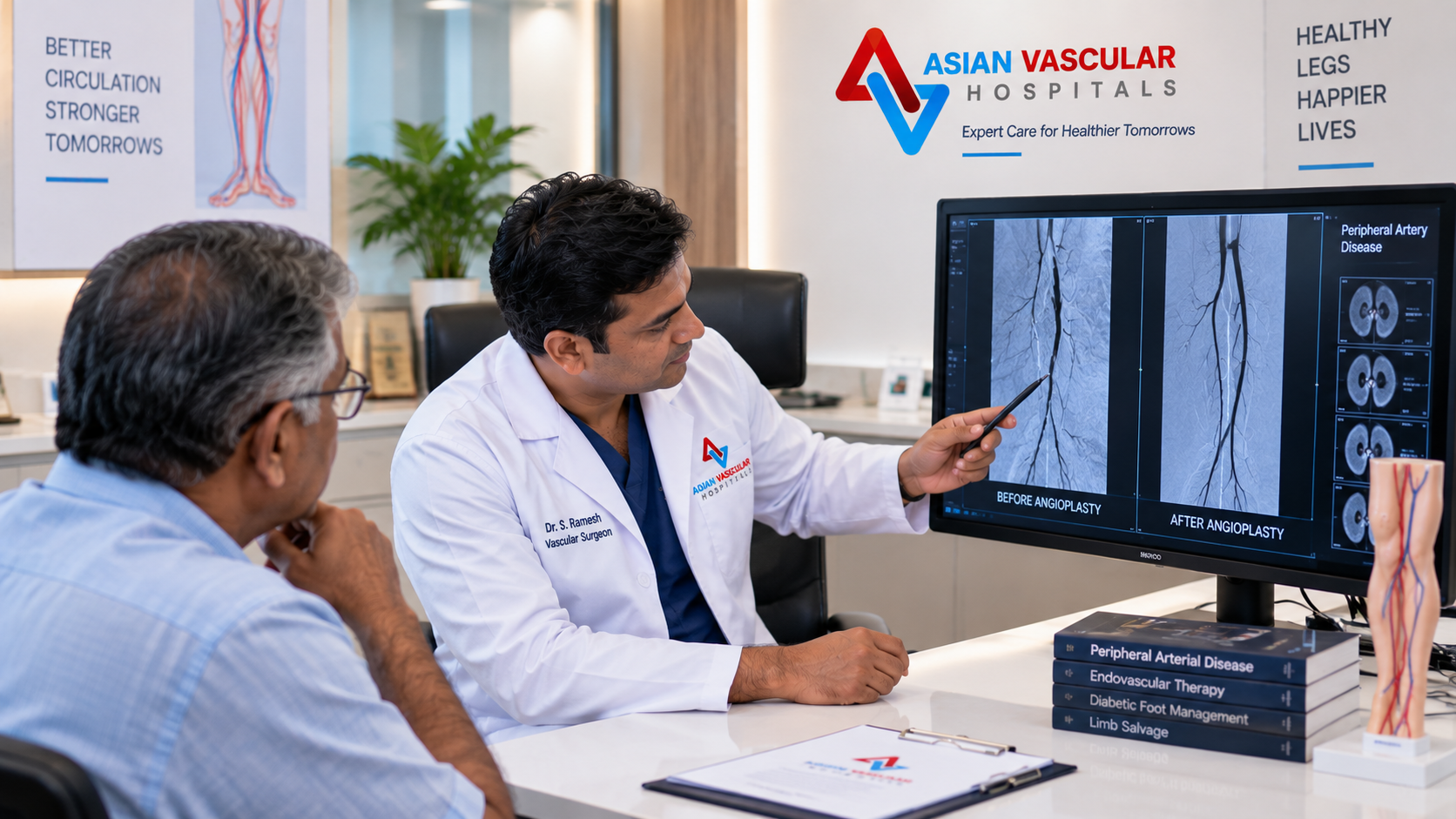
- Peripheral angioplasty – a catheter-based procedure used to improve blood flow through a narrowed artery.
- Vascular stenting – placement of a stent may be considered in selected arterial blockages.
- Bypass surgery – creates an alternative pathway for blood flow around a severely diseased artery when appropriate.
- Hybrid procedures – a combination of endovascular and surgical approaches may be appropriate in selected cases.
There is no single revascularisation method suitable for every patient. Treatment depends on the arterial anatomy, severity of the limb threat, overall health, available vein and other individual factors.
Step 2: Treating the Wound and Infection
Restoring blood flow is only one part of limb-salvage care.
Treatment may also involve:
- Wound assessment and monitoring
- Removal of unhealthy or dead tissue when clinically indicated
- Infection management
- Appropriate wound dressings
- Pressure relief and offloading
- Blood-glucose management
- Management of associated cardiovascular risk factors
- Follow-up assessment of wound healing and circulation
Guidelines emphasise that revascularisation should form part of a comprehensive, multidisciplinary treatment plan rather than being considered in isolation.
Comprehensive Diabetic Foot & Limb Salvage Care in Hyderabad
A complex diabetic foot wound often requires more than routine dressing changes.
At a specialist vascular and diabetic foot service, the assessment may look at three interconnected problems: blood flow, infection and pressure/tissue damage.
Vascular Assessment
The team may evaluate circulation using clinical examination and appropriate vascular investigations.
When PAD is suspected, objective assessment of blood flow can help determine whether impaired arterial circulation is contributing to poor wound healing.
Advanced Wound Management
Depending on the wound, treatment may include:
- Appropriate wound cleaning and dressings
- Debridement when indicated
- Management of infected tissue
- Monitoring of wound size and tissue condition
- Assessment for deeper infection
- Ongoing wound-healing review
Debridement should be performed by an appropriately trained professional; patients should not attempt to remove dead tissue or hard skin themselves.
Offloading and Pressure Management
Repeated pressure on an ulcer can interfere with healing.
An appropriate offloading strategy can help reduce mechanical stress on the affected area while the wound is treated.
Infection Management
A diabetic foot infection can progress quickly, particularly when circulation is poor.
Increasing redness, warmth, swelling, discharge, unpleasant odour, worsening pain or systemic illness should receive prompt medical attention.
Peripheral Artery Disease and Diabetes Foot Care
Peripheral artery disease and diabetes foot care are closely connected when a diabetic patient develops a non-healing ulcer.
Diabetes can coexist with arterial narrowing, while neuropathy may reduce the patient’s ability to recognise injury. When poor blood flow is added to an existing wound, healing can become more difficult.
This is why a diabetic foot ulcer should not always be treated as a simple skin wound.
A vascular assessment can help determine whether inadequate arterial blood flow is contributing to the problem and whether revascularisation should be considered.
Why Choose an Expert Vascular Surgeon for Diabetic Wounds?
A dressing can protect a wound, but it cannot by itself reopen a significantly blocked artery.
For patients with suspected circulation problems, a vascular surgeon can assess the arterial system and determine whether vascular intervention is appropriate alongside wound and infection management.
This is particularly important when a diabetic foot ulcer is accompanied by:
- Poor circulation
- Cold feet
- Colour changes
- Rest pain
- Gangrene
- Extensive tissue damage
- A wound that repeatedly fails to heal
The IWGDF recommends multidisciplinary care for people with diabetes, PAD and foot ulceration, bringing together the expertise needed to address vascular, wound, infection and related problems.
A Multidisciplinary Approach to Limb Preservation
Complex diabetic foot cases may require coordinated care involving:
Vascular Specialists
To evaluate arterial circulation and consider angioplasty, stenting, bypass or other appropriate vascular procedures.
Wound Care Specialists
To assess the wound, perform appropriate debridement when required and guide dressing and follow-up strategies.
Foot-Care / Podiatry Professionals
To address pressure points, footwear, offloading and other mechanical factors contributing to ulceration.
Diabetes Care Team
To support blood-glucose management and address other medical conditions that can affect healing.
This coordinated approach is consistent with current diabetic foot and PAD guidance.
Can Diabetic Foot Amputation Always Be Prevented?
No treatment can guarantee that every amputation can be avoided.
However, early assessment and appropriate treatment can be important when the foot is at risk, particularly when infection, tissue loss or poor circulation is present.
The objective of limb-salvage treatment is to understand why the wound is not healing, treat infection and tissue damage, improve blood flow when necessary and preserve as much healthy, functional tissue as clinically possible.
This is why the goal to prevent diabetic foot amputation should begin with early recognition and specialist evaluation—not only when the wound becomes critical.
What to Expect During Your Assessment
When you visit a specialist diabetic foot service, your evaluation may include:
- Medical history – diabetes control, previous wounds, vascular problems and other health conditions.
- Foot examination – assessment of the skin, wound, sensation, temperature and tissue condition.
- Circulation assessment – evaluation for possible PAD and impaired blood supply.
- Wound and infection assessment – determining the severity and extent of the problem.
- Imaging or vascular testing – when clinically indicated.
- Individual treatment plan – addressing circulation, infection, wound care and pressure/offloading.
The exact investigations and treatment depend on the patient’s clinical findings.
Searching for a Diabetic Foot & Limb Salvage Clinic in Hyderabad?
For patients looking for specialist care in Hyderabad, Asian Vascular Hospitals provides vascular-focused evaluation and treatment for conditions including diabetic foot ulcers, peripheral artery disease and limb-threatening vascular problems.
The hospital is located in Banjara Hills, Hyderabad, with access for patients from areas including Jubilee Hills, Gachibowli and surrounding parts of the city.
Dr. G.V. Praveen Kumar, Founder & Chief Consultant Vascular Surgeon, focuses on vascular evaluation and treatment, including complex diabetic foot and limb-salvage care.
Have a diabetic foot ulcer, non-healing wound or signs of poor circulation? Book a clinical assessment rather than waiting for the wound to worsen.
Asian Vascular Hospitals
8-2-676 2/B, Road No. 12, Sri Ram Nagar Colony, Banjara Hills, Hyderabad, Telangana – 500034
Phone: +91 81439 98831
Frequently Asked Questions
- All Post
- blog