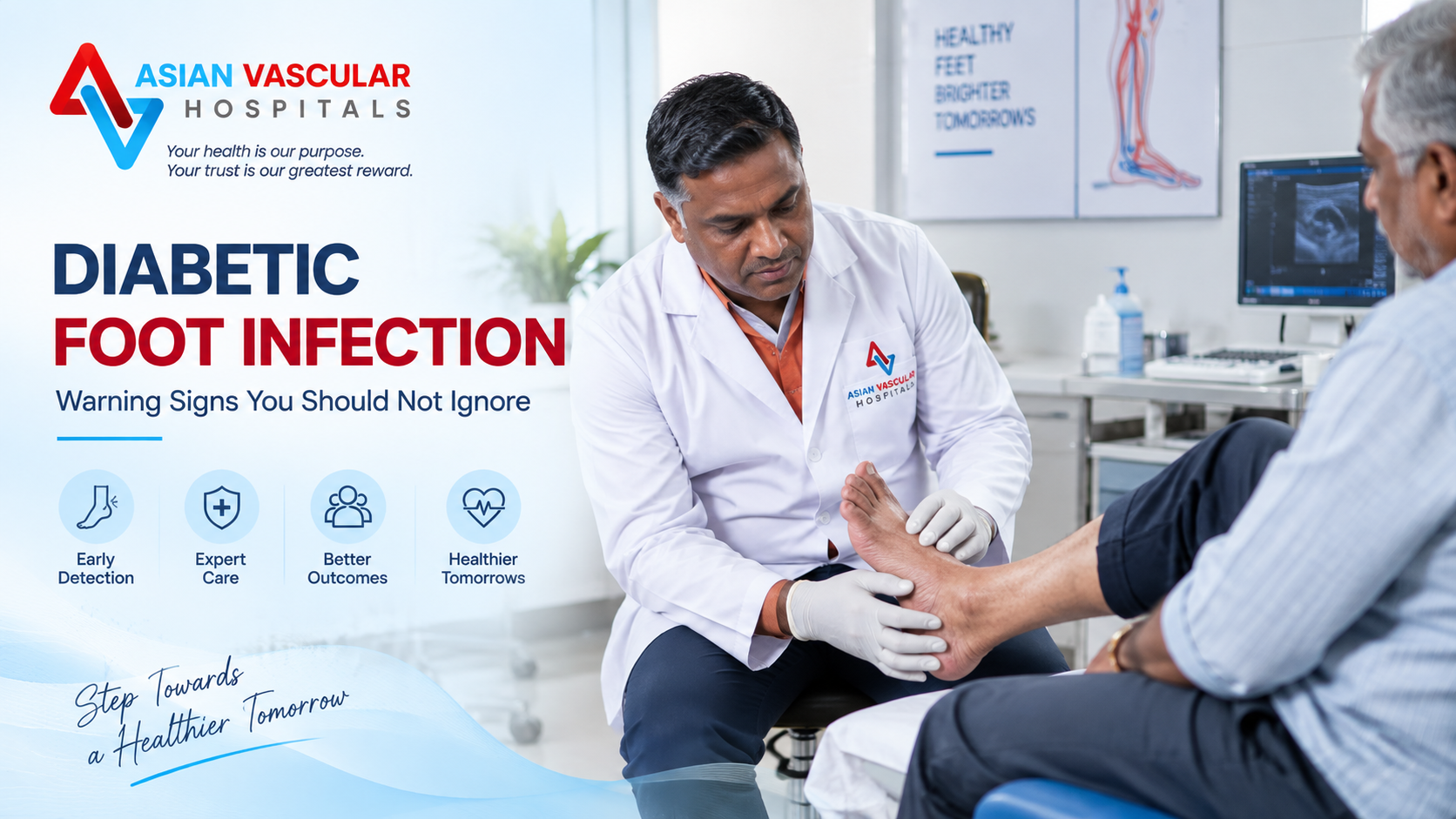


For someone living with diabetes, foot care should be part of the daily routine—not something to think about only after a wound appears.
A small blister, crack, cut, or pressure spot can become a serious problem when diabetes-related nerve damage reduces sensation or poor circulation slows healing. Regular foot checks, appropriate footwear, good skin care, and early medical attention can help identify problems before they become more serious.
If you have diabetes, especially if you have neuropathy, previous ulcers, foot deformity, or circulation problems, knowing how to protect your feet at home is an important part of preventing diabetic foot complications.

Why Is Daily Foot Care Important for People With Diabetes?
Daily foot care matters because diabetic neuropathy can reduce the ability to feel pain, heat, and cold, meaning an injury may go unnoticed. Poor circulation can also make it harder for damaged tissue to heal and fight infection.
A person may develop a blister from a shoe, step on a small object, or develop a crack in dry skin without immediately noticing it.
Checking your feet every day gives you an opportunity to identify these changes early.
1. Check Your Feet Every Day
The most important home habit is to inspect both feet every day for changes in the skin, nails, and shape of the foot. If neuropathy has reduced your sensation, visual inspection becomes especially important because you may not feel an injury.
Look carefully for:
- Cuts or small wounds
- Blisters
- Cracks or broken skin
- Redness
- Swelling
- Corns or calluses
- Changes in skin colour
- Bruising
- Ingrown toenails
- Nail infections
- Areas of unusual warmth
- Any new ulcer or drainage
Do not forget to check the bottoms of your feet and between your toes.
If you cannot see the soles properly, use a mirror or ask a family member to help.
2. Never Ignore a Small Foot Wound
A small wound can become more serious when protective sensation is reduced. A person with neuropathy may continue walking on an injured area because there is little or no pain, creating repeated pressure and irritation.
If you discover a cut, blister, crack, or open area, do not simply cover it and continue with your normal routine.
Instead:
- Keep the area clean.
- Avoid unnecessary pressure on the affected area.
- Monitor it closely.
- Contact your healthcare professional if it is not improving or shows signs of infection.
Any diabetic foot ulcer should be medically assessed rather than ignored, particularly if you have neuropathy or circulation problems.
3. Wash and Dry Your Feet Carefully
Keeping the feet clean is an important part of everyday diabetic foot care. Wash them regularly and dry them thoroughly afterward, paying particular attention to the spaces between the toes.
Avoid excessively hot water because neuropathy can reduce your ability to accurately judge temperature.
After washing:
- Dry the feet gently.
- Dry carefully between the toes.
- Check the skin for cracks or irritation.
- Avoid leaving moisture trapped between the toes.
If you have reduced sensation, ask your healthcare professional about the safest way to check water temperature.
4. Moisturise Dry Skin—but Not Between the Toes
Diabetes-related nerve damage can contribute to dry skin, which may become cracked and more vulnerable to injury. Regular moisturising can help maintain healthier skin.
Apply moisturiser to dry areas of the feet, but avoid applying it between the toes, where excess moisture can create an environment that may contribute to skin problems.
Pay particular attention to areas that frequently become dry or cracked, such as the heels.
5. Trim Your Toenails Carefully
Toenail problems can create pressure and injury, particularly when sensation is reduced.
Keep toenails trimmed and use a nail file to smooth sharp edges. Avoid aggressive cutting around the corners of the nails. If you have difficulty seeing or reaching your feet, or if you have significant neuropathy, ask your healthcare professional for advice on appropriate nail care.
Do not attempt to cut into an ingrown toenail or remove problematic tissue yourself if you have diabetes and reduced sensation.
6. Never Walk Barefoot
Walking barefoot can expose the feet to cuts, burns, punctures, and other injuries that may go unnoticed when neuropathy is present.
The IWGDF recommends appropriate footwear for people with diabetes who are at increased risk of foot ulceration and advises against walking barefoot.
This applies inside the home as well as outdoors.
Wear suitable footwear or protective slippers rather than walking directly on floors.
7. Choose Shoes That Fit Properly
Poorly fitting shoes can create repeated pressure and friction, increasing the risk of blisters, calluses, and ulcers.
Your footwear should:
- Fit comfortably without squeezing the toes.
- Provide adequate width.
- Have enough room for the toes.
- Avoid excessive rubbing.
- Accommodate any changes in foot shape.
- Be appropriate for your individual risk level.
IWGDF guidance recommends footwear with sufficient internal length, width, and height to accommodate the foot without excessive pressure. People with previous ulcers or certain foot deformities may require therapeutic or custom footwear.
Check Your Shoes Before Putting Them On
Before wearing your shoes, check the inside for:
- Small stones
- Sharp objects
- Rough edges
- Folded material
- Anything that could rub against the foot
This simple habit can prevent an unnoticed object from repeatedly damaging the skin.
8. Reduce Pressure on a Vulnerable Area
Repeated pressure is an important contributor to diabetic foot ulceration, particularly when sensation is reduced.
If you already have an ulcer or a high-risk area, continuing to walk normally on it can make the wound larger or interfere with healing. Appropriate offloading or protective footwear may be required depending on the wound and its location.
Do not try to manage a known ulcer simply by changing shoes without professional assessment. The appropriate offloading strategy depends on the wound and the person’s overall foot risk.
9. Pay Attention to Changes in Sensation
Numbness, tingling, burning sensations, or reduced ability to feel temperature can be signs of diabetic neuropathy.
Neuropathy is particularly important in diabetic foot care because a person may not recognise an injury until the skin has already broken down.
If you notice:
- New numbness
- Reduced sensation
- Burning or tingling
- Loss of ability to feel temperature
- Unusual weakness
- Changes in the shape of your foot
tell your healthcare professional.
A complete foot examination should assess the skin, structure of the foot, sensation, and blood flow.
10. Watch for Signs of Poor Circulation
Diabetes can occur alongside peripheral artery disease (PAD), which can reduce blood flow to the feet. Poor circulation can make wounds more difficult to heal and may increase the risk of serious complications.
Possible warning signs include:
- Cold feet
- Changes in skin colour
- Foot or leg pain during walking
- Pain at rest in advanced disease
- Slow-healing wounds
- Tissue breakdown
- Blackening of a toe or part of the foot
If you have a wound that is not healing or signs suggesting poor circulation, a vascular assessment may be necessary.
11. Keep Blood Sugar Under Appropriate Control
Foot care does not replace overall diabetes management. Keeping blood glucose within the range recommended by your healthcare team is an important part of reducing diabetes-related complications.
High blood glucose can make it harder for the body to fight infection and may contribute to poor wound healing.
Follow the diabetes treatment plan prescribed by your doctor and discuss persistent high glucose levels with your healthcare team.
12. Avoid Treating Corns and Calluses Yourself
It may be tempting to cut a callus, use a sharp tool, or apply an over-the-counter chemical treatment at home.
For someone with diabetes—particularly diabetic neuropathy—this can cause an injury that may go unnoticed.
If you have thick calluses, corns, pressure points, or recurrent areas of skin breakdown, have them assessed by an appropriate healthcare professional rather than attempting aggressive treatment yourself.
What Foot Problems Should You Never Ignore?
Certain changes require prompt medical attention because they may indicate infection, tissue damage, or inadequate blood flow.
Contact a healthcare professional promptly if you notice:
- An open wound or ulcer
- Increasing redness
- Swelling
- Pus or discharge
- Foul smell
- Increasing warmth around a wound
- Blackening of a toe or foot
- Skin becoming unusually pale, blue, or dark
- A wound that is getting larger
- Fever or feeling unwell
- A wound that does not begin to improve
The ADA advises people with diabetes to seek medical attention when they notice foot problems, and even ulcers that do not hurt should be assessed.
What Should You Do If You Already Have a Diabetic Foot Ulcer?
If an ulcer has already developed, home care alone should not replace professional evaluation. The ulcer may need assessment for infection, pressure, neuropathy, circulation problems, and deeper tissue involvement.
Treatment can involve wound care, pressure offloading, infection management, vascular assessment, and other interventions depending on the individual situation.
Walking repeatedly on an ulcer can enlarge the wound and potentially push infection deeper into the foot.
For professional evaluation and Specialized Diabetic Foot Treatment in Hyderabad, visit our Banjara Hills center.
How Often Should a Person With Diabetes Have Their Feet Examined?
Everyone with diabetes should regularly discuss foot health with their healthcare team. People with neuropathy, previous ulcers, PAD, or other high-risk features may need more frequent professional assessment.
A professional examination can identify problems that may not be obvious during a routine home check, including changes in sensation, foot structure, pressure distribution, and circulation.
Your doctor can determine how frequently you need a complete foot assessment based on your individual risk.
A Simple Daily Diabetic Foot Checklist
Make foot inspection part of your daily routine.
Every day:
☐ Look at both feet
☐ Check the soles and between the toes
☐ Look for cuts, blisters, cracks, redness, swelling, or colour changes
☐ Check for new calluses or pressure areas
☐ Wash and dry your feet carefully
☐ Moisturise dry skin, avoiding between the toes
☐ Check the inside of your shoes before wearing them
☐ Wear comfortable, properly fitting footwear
☐ Never walk barefoot
☐ Report any concerning change promptly
This routine takes only a few minutes but can help you identify problems before they become more serious.
Diabetic Foot Care at Asian Vascular Hospitals, Hyderabad
At Asian Vascular Hospitals in Banjara Hills, Hyderabad, diabetic foot problems can be evaluated from a vascular perspective when wound healing, circulation, neuropathy, infection, or tissue loss is a concern.
The aim is to identify problems early and determine whether the patient needs conservative wound care, vascular assessment, infection management, offloading, revascularisation, or other specialist treatment.
If you have diabetes and notice a wound, persistent redness, swelling, colour change, blackening, or other unusual changes in your foot, do not wait for the problem to worsen.
Frequently Asked Questions
Related posts:
 Aneurysm Treatment in Hyderabad: Expert Care for Your Vascular Health
 Best Vascular Surgeon – Everything You Need to Know Before Choosing One
 Varicose Veins Treatment Cost – Affordable Laser Surgery in Hyderabad
 Peripheral Neuropathy: Causes, Symptoms, and Treatment Options
 🦶 Diabetic Foot Care at Asian Vascular Hospitals, Hyderabad
 Vascular Surgeon in Karimnagar: Advanced Vascular Care for Healthier Living
 Vascular Surgeon in Bhuvanagiri: Advanced Vein & Artery Care
 Varicose Veins Medical Treatment – Advanced Options for Lasting Relief
- All Post
- blog