

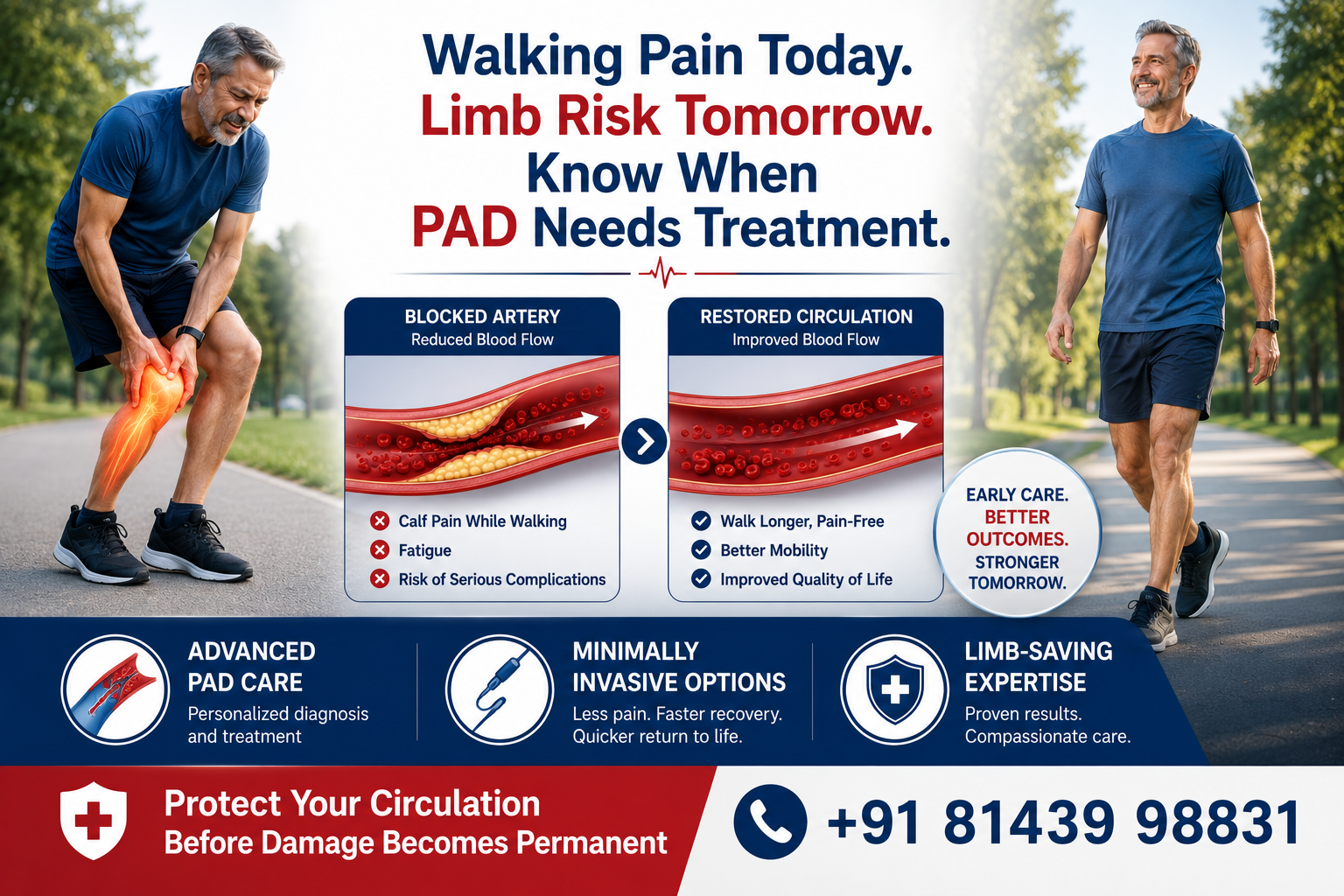
Not Every PAD Patient Needs Surgery—But Some Shouldn’t Wait
One of the most common questions vascular specialists hear is:
“I have Peripheral Artery Disease. Will I need surgery?”
The answer depends on how much blood flow has been reduced, how severe the symptoms are, and whether the condition is threatening the health of the leg.
Many patients can be managed with medication and minimally invasive procedures. However, in advanced cases, pad surgery may be the most effective way to restore circulation and prevent permanent tissue damage.
Understanding when surgery becomes necessary can help patients make informed decisions before complications occur.
When Is PAD Surgery Recommended?
PAD surgery is typically considered when artery blockages severely reduce blood flow, symptoms affect daily life, wounds fail to heal, or there is a risk of limb loss. Surgery is usually recommended after careful vascular evaluation and when less invasive treatments may not provide sufficient long-term results.
First, What Happens in Peripheral Artery Disease?
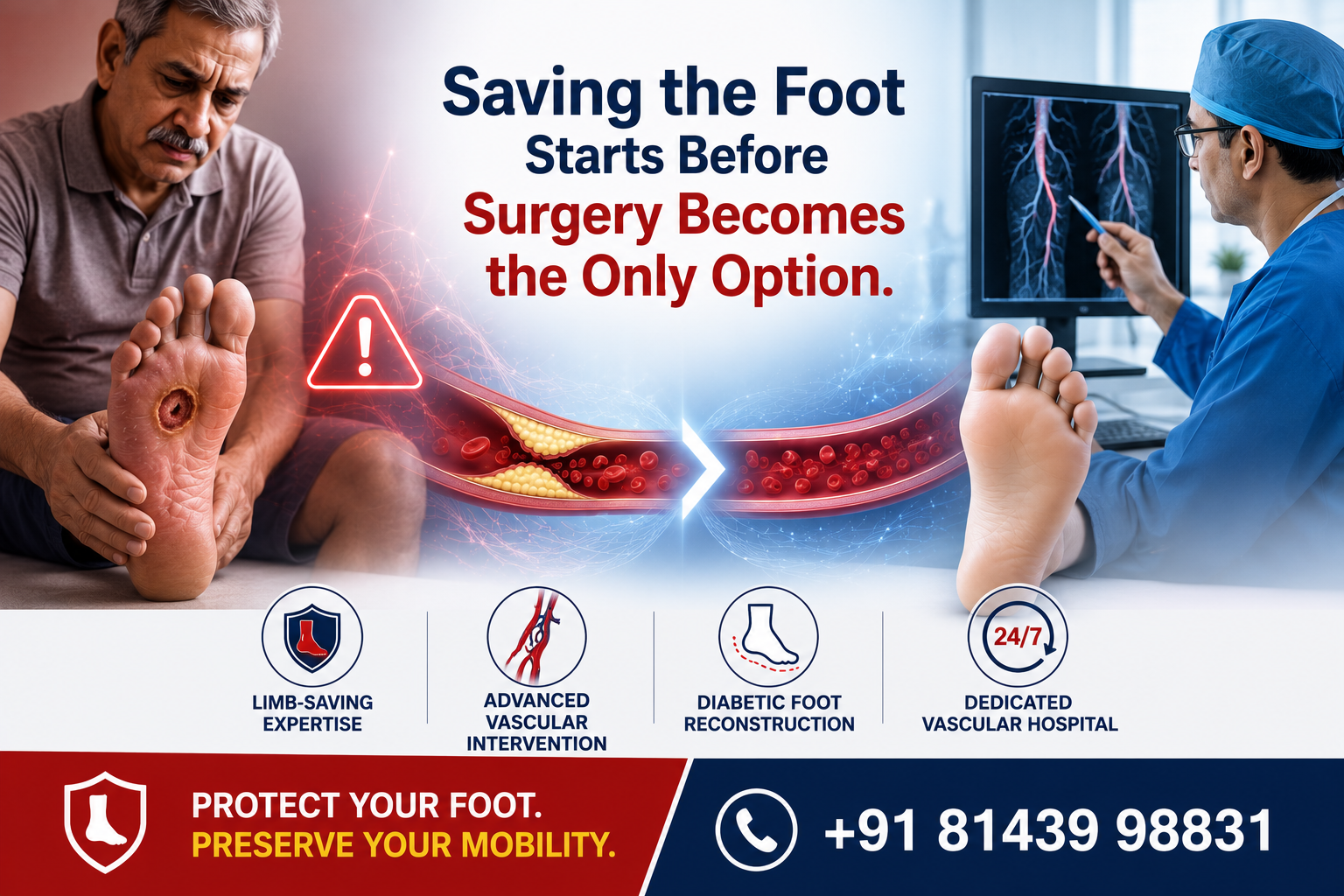
Peripheral Artery Disease (PAD) occurs when plaque builds up inside arteries supplying blood to the legs.
Over time, these narrowed arteries can reduce oxygen delivery to muscles, skin, and tissues.
This may lead to:
- Pain while walking
- Reduced mobility
- Slow-healing wounds
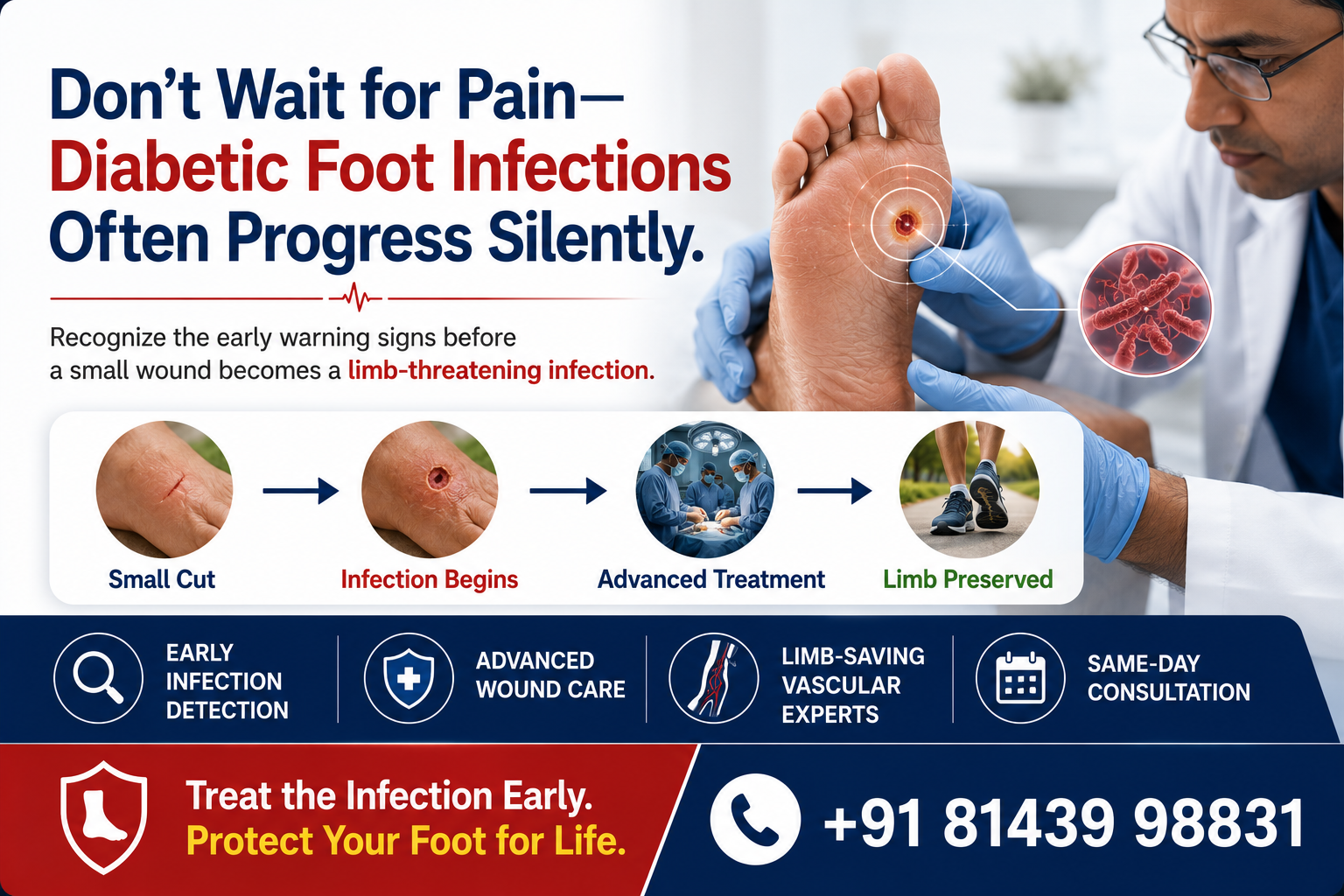
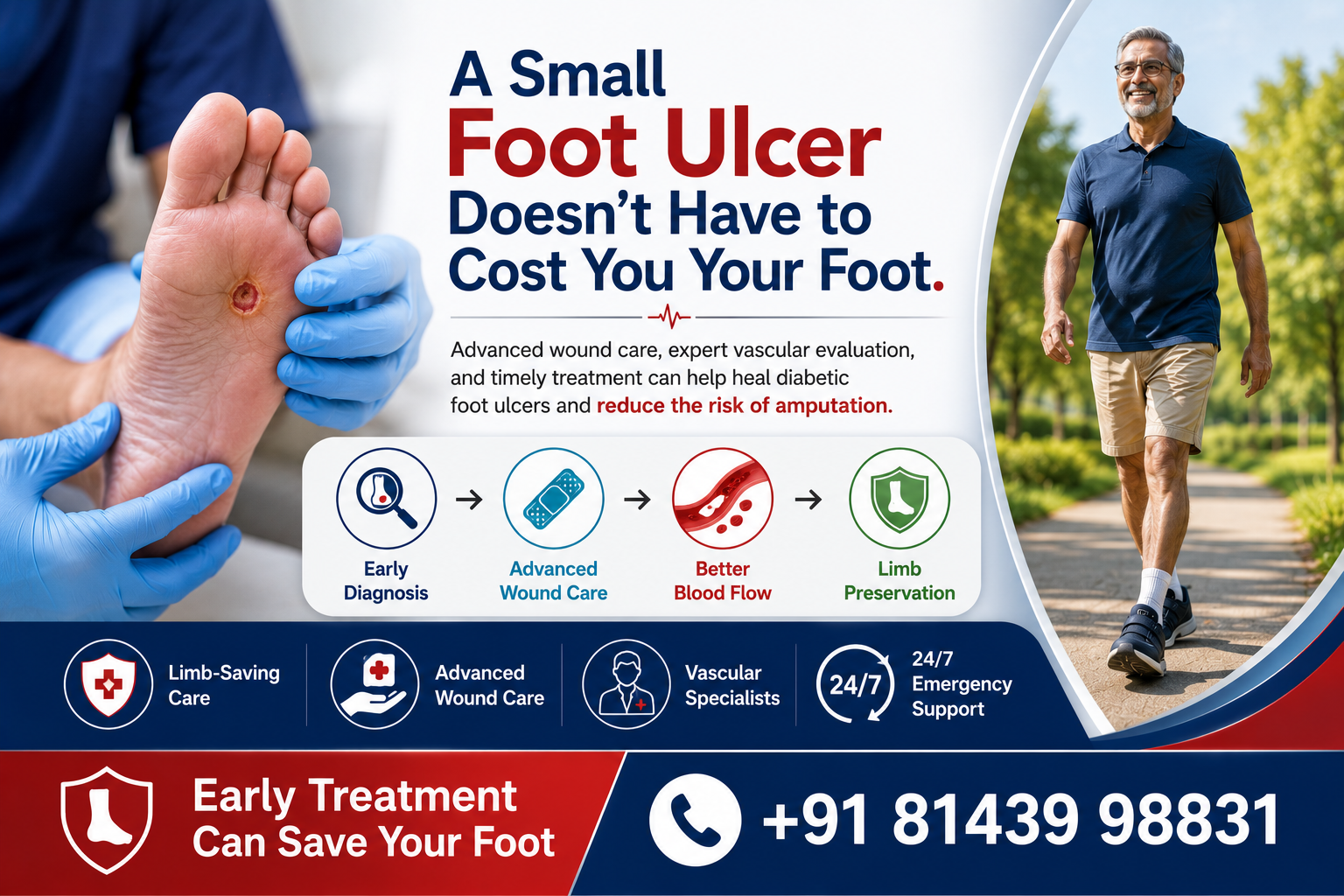
- Foot ulcers
- Tissue damage
The longer circulation remains restricted, the higher the risk of serious complications.
Stage 1: When PAD Can Often Be Managed Without Surgery
In the early stages, treatment usually focuses on improving blood flow and slowing disease progression.
Common non-surgical treatments include:
✔ Walking exercise programs
✔ Cholesterol management
✔ Smoking cessation
✔ Blood-thinning medications
✔ Diabetes control
Many patients achieve significant improvement without needing pad surgery.
The Warning Signs That Suggest PAD Is Getting Worse
There comes a point where blocked arteries begin affecting everyday life.
Symptoms that deserve urgent attention:
- Walking shorter distances due to pain
- Pain that develops more quickly than before
- Persistent coldness in the foot
- Numbness or weakness
- Slow-healing wounds
These signs may indicate worsening circulation and require specialist evaluation.
The Turning Point: When Surgery Becomes Necessary
Doctors consider pad surgery when blood flow is no longer sufficient to keep tissues healthy.
Surgery may be recommended if:
1. Pain Occurs Even at Rest
Healthy tissues need a constant blood supply.
If pain continues while sitting or sleeping, circulation may be critically reduced.
2. Wounds Are Not Healing
One of the clearest signs that circulation has become inadequate is a wound that refuses to heal.
Without enough blood flow:
- Skin repair slows
- Infection risk increases
- Tissue damage progresses
This is especially important for diabetic patients.
3. There Is a Risk of Limb Loss
Advanced PAD can lead to:
- Gangrene
- Tissue death
- Severe infections
At this stage, restoring circulation becomes urgent, and pad surgery may be limb-saving.
Not All PAD Procedures Are Major Surgery
Many patients are surprised to learn that treatment options have evolved significantly.
Before recommending open surgery, vascular specialists often consider minimally invasive procedures such as:
Angioplasty
A small balloon opens the narrowed artery.
Stent Placement
A mesh stent helps keep the artery open long-term.
These treatments often restore blood flow with faster recovery and less discomfort.
When Is Bypass Surgery Recommended?
For extensive or complex blockages, doctors may recommend bypass surgery leg arteries procedures.
How it works:
A new pathway is created around the blocked artery using:
- A healthy vein from the patient
- A specialized graft
This allows blood to reach the lower leg and foot without passing through the blocked segment.
Benefits of Bypass Surgery for Leg Arteries
When properly selected, bypass surgery leg arteries procedures can:
✔ Improve circulation
✔ Relieve severe pain
✔ Support wound healing
✔ Reduce amputation risk
✔ Improve mobility and quality of life
For some patients, bypass surgery remains the most durable long-term solution.
How Doctors Decide Between Angioplasty and Surgery
The treatment decision is based on:
Artery Factors
- Location of blockage
- Length of blockage
- Number of arteries affected
Patient Factors
- Age
- Diabetes status
- Kidney function
- Overall health
A personalized treatment plan always provides the best outcomes.
What Happens If PAD Is Left Untreated?
Delaying treatment can allow circulation problems to worsen.
Potential complications include:
🚨 Severe walking limitation
🚨 Non-healing ulcers
🚨 Chronic pain
🚨 Infection
🚨 Gangrene
🚨 Limb amputation
This is why early evaluation remains essential.
A Real Clinical Scenario
A 62-year-old diabetic patient initially noticed calf pain while walking. Over several months, the walking distance became shorter and a small foot wound failed to heal.
Imaging revealed advanced arterial blockage. Because blood flow was severely compromised, bypass surgery leg arteries treatment was performed. Within weeks, circulation improved, the wound began healing, and limb loss was avoided.
The lesson is simple: PAD becomes far easier to treat before complications develop.
Why Timing Matters More Than Most Patients Realize
The goal of treatment is not simply to relieve pain.
The real objective is to:
- Preserve circulation
- Protect tissue health
- Prevent amputation
- Maintain mobility
Early vascular assessment often creates more treatment options and better outcomes.
📞 Expert PAD Surgery & Limb-Saving Care in Hyderabad
If you are experiencing worsening leg pain, poor circulation, or non-healing wounds, don’t wait for symptoms to become severe.
At Asian Vascular Hospitals, advanced evaluation and treatment are available for PAD, complex artery blockages, and limb-threatening circulation disorders.
Led by Dr. G. V. Praveen Kumar, the team specializes in minimally invasive procedures, pad surgery, and bypass surgery leg arteries for patients requiring advanced vascular care.
📞 Call Now: +91 81439 98831
🌐 Visit: asianvascularhospitals.com
🚑 24/7 Emergency Vascular Support Available
- All Post
- blog
Related posts:
 Looking for a Vascular Surgeon Near You? Hyderabad’s Trusted Experts Are Here
 Top Vascular Surgeon in Hyderabad – Expert Care That Heals & Protects
 👣 Diabetic Foot Ulcer Symptoms: Don’t Miss These Early Warning Signs!
 👣 Find the Best Diabetic Foot Doctor Near Me – Advanced Care at Asian Vascular Hospitals
 Vascular Surgeon in Nellore: Advanced Vascular Care for Healthy Living
 Vascular Surgeon in Bhongir: Advanced Vein & Artery Care
 👣 Best Podiatrist Doctor in Hyderabad – Complete Foot Care Under One Roof
 🩸 Best Hospital for Varicose Veins Treatment in Hyderabad — Asian Vascular Hospitals