

Your AV Fistula Surgery Was Successful—Now Protect It for the Long Term
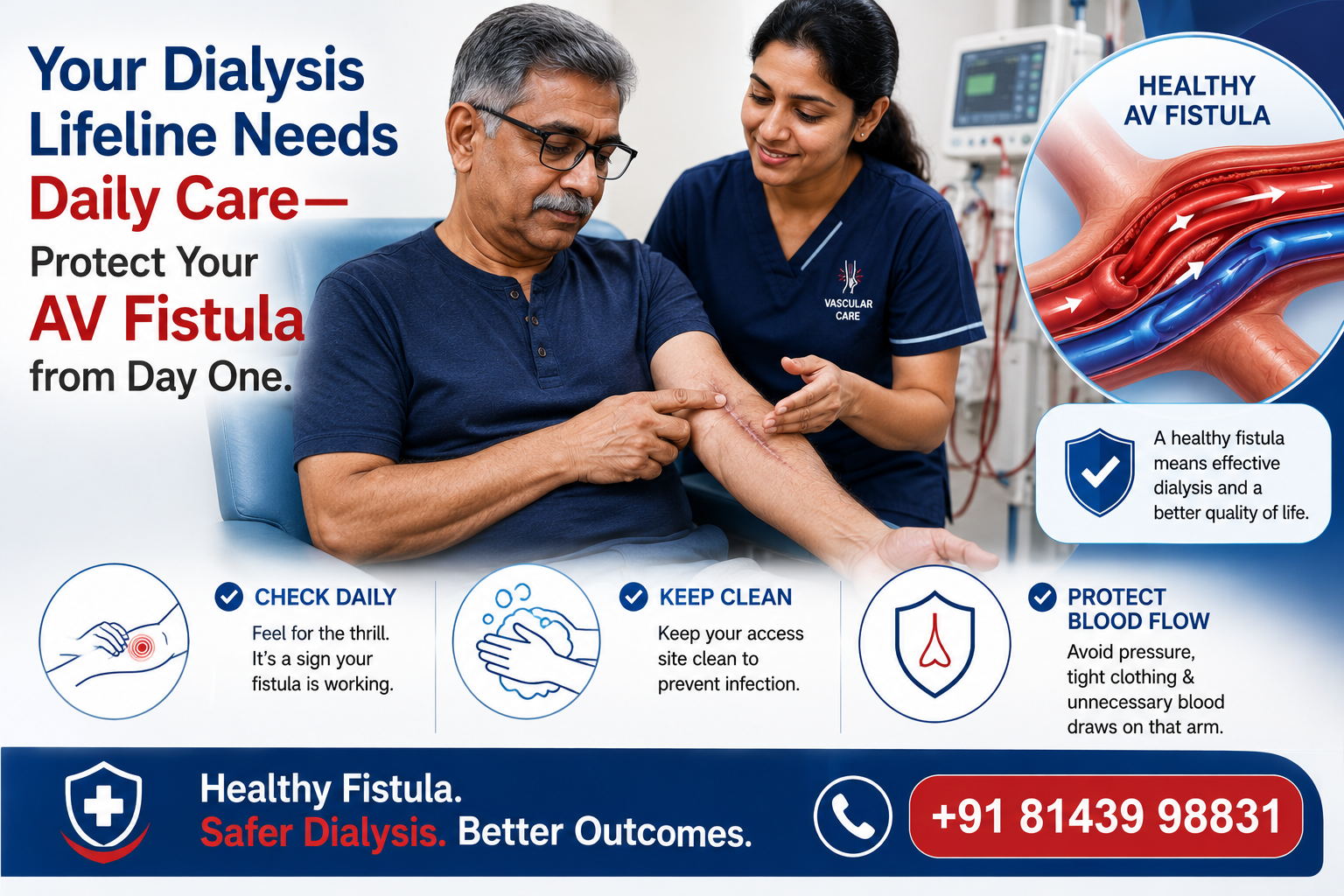
An AV fistula is often called a dialysis patient’s lifeline. While surgery creates the access, proper av fistula care is what keeps it functioning safely for years.
Many fistulas fail not because of the surgery itself, but because warning signs are missed or daily care instructions are not followed consistently.
The good news? Most complications can be prevented with simple habits and regular monitoring.
How Do You Care for an AV Fistula After Surgery?
Proper av fistula care includes keeping the access site clean, checking blood flow daily, protecting the arm from pressure or injury, following dialysis instructions, and reporting any changes immediately to your vascular specialist.
Why AV Fistula Care Is So Important
An AV fistula is surgically created by connecting an artery to a vein, allowing stronger blood flow for dialysis.
Once healed, it becomes the preferred dialysis access because it:
✔ Lasts longer than catheters
✔ Has a lower infection risk
✔ Provides better dialysis efficiency
✔ Improves long-term treatment outcomes
However, neglecting dialysis fistula maintenance can lead to clotting, narrowing, infection, or access failure.
Week 1 After Surgery: What Patients Should Expect
The first few days are focused on healing.
Normal signs include:
- Mild swelling
- Bruising around the incision
- Mild discomfort
- A vibrating sensation (called a thrill)
That vibration is actually a positive sign—it means blood is flowing through the fistula.
Contact your doctor immediately if you notice:
🚨 Severe swelling
🚨 Increasing pain
🚨 Fever
🚨 Drainage from the wound
🚨 Loss of vibration
These symptoms may indicate complications requiring urgent evaluation.
The 30-Second Daily Check Every Dialysis Patient Should Know
One of the most important parts of av fistula care takes less than a minute.
Check your fistula every day:
- Place your fingers gently over the fistula.
- Feel for the vibration (“thrill”).
- Listen for the blood flow sound (“bruit”) if instructed.
If the thrill suddenly weakens or disappears, contact your vascular specialist immediately.
Early detection can save the fistula before blockage occurs.
Fistula Hygiene: Small Habits That Prevent Big Problems
Good fistula hygiene reduces infection risk and protects the access site.
Recommended practices:
✔ Wash the access arm daily
✔ Clean the area before dialysis sessions
✔ Keep skin moisturized if advised
✔ Wear loose clothing around the fistula
Avoid:
✘ Scratching the site
✘ Using harsh chemicals
✘ Applying unapproved creams
✘ Ignoring redness or warmth
Consistent fistula hygiene plays a major role in long-term fistula success.
Fistula Precautions Every Patient Should Follow
Many access problems occur because patients unknowingly place pressure on the fistula arm.
Important fistula precautions:
❌ Do not sleep on the fistula arm
❌ Avoid tight watches or bracelets
❌ Do not carry heavy bags on that arm
❌ Avoid blood pressure checks on the fistula arm
❌ Avoid blood draws from the fistula arm
These simple fistula precautions help protect blood flow and reduce clotting risk.
Exercises That Help Your Fistula Mature
After surgery, your doctor may recommend specific hand exercises.
Common recommendations:
- Squeezing a soft rubber ball
- Gentle hand-grip exercises
- Controlled arm movements
These activities encourage vein enlargement and support successful dialysis fistula maintenance.
Always follow your vascular specialist’s instructions regarding exercise timing.
Warning Signs That Should Never Be Ignored
Your fistula often provides early signals when something is wrong.
Seek medical attention if you notice:
- Reduced vibration
- Persistent arm swelling
- Difficulty during dialysis
- Prolonged bleeding after dialysis
- Skin discoloration
- Pain during access use
These may indicate narrowing, clotting, or developing access problems.
The Biggest Mistakes Patients Make
Many fistula complications are preventable.
Common mistakes include:
- Skipping follow-up visits
- Ignoring a weaker thrill
- Delaying treatment for swelling
- Poor fistula hygiene
- Carrying heavy weights on the fistula arm
Being proactive is one of the best forms of av fistula care.
Long-Term Dialysis Fistula Maintenance
A healthy fistula can function effectively for many years.
Long-term success depends on:
✔ Regular monitoring
✔ Healthy blood pressure control
✔ Good diabetes management
✔ Routine vascular assessments
✔ Immediate reporting of changes
Consistent dialysis fistula maintenance helps avoid emergency access procedures.
Real Patient Experience
A dialysis patient noticed that the vibration in his fistula felt weaker than usual. Instead of waiting until his next dialysis session, he contacted his vascular specialist immediately.
A scan revealed early narrowing of the fistula. Because the problem was identified quickly, a minimally invasive procedure restored blood flow and prevented complete access failure.
This is why daily monitoring remains one of the most valuable aspects of av fistula care.
Why Regular Vascular Follow-Up Matters
Even when a fistula appears healthy, routine surveillance helps detect:
- Early narrowing
- Reduced blood flow
- Hidden clot formation
- Access dysfunction
Timely intervention often prevents major complications and preserves dialysis access.
📞 Expert AV Fistula Care in Hyderabad
Protecting your dialysis access is just as important as creating it.
At Asian Vascular Hospitals, patients receive specialized support for av fistula care, access monitoring, fistula salvage, and dialysis-related vascular procedures.
Led by Dr. G. V. Praveen Kumar, the team provides comprehensive vascular access management to help patients maintain reliable dialysis treatment.
📞 Call Now: +91 81439 98831
🌐 Visit: asianvascularhospitals.com
🚑 24/7 Vascular Care Available
- All Post
- blog







Related posts:
 Trusted Vascular Hospital in Hyderabad: Where Advanced Care Meets Compassion
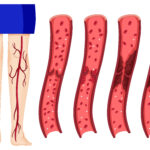 Best Vascular Surgeon Near Me – Expert Care at Asian Vascular Hospitals
 Surgical Treatment for Varicose Veins – Walk Pain-Free Again
 Peripheral Neuropathy Doctors Near Me: How to Find the Right Specialist
 Best Vascular Surgeon in Warangal: Advanced Vascular Care You Can Trust
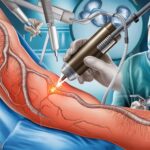 Vascular Surgeon in Vikarabad: Advanced Care for Vein & Artery Health
 👣 Diabetic Foot Ulcer Treatment – Save Limbs with Expert Care at Asian Vascular Hospitals
 👣 Foot Specialist Doctor in Hyderabad – Expert Foot & Vascular Care at Asian Vascular Hospitals


One Response