Important: These are common patterns, not diagnostic rules. Night-time pain is not exclusively a venous symptom. Severe PAD can cause pain while resting or lying down, so persistent night pain deserves proper assessment.
1. Leg Pain While Walking: Could It Be Blocked Arteries?
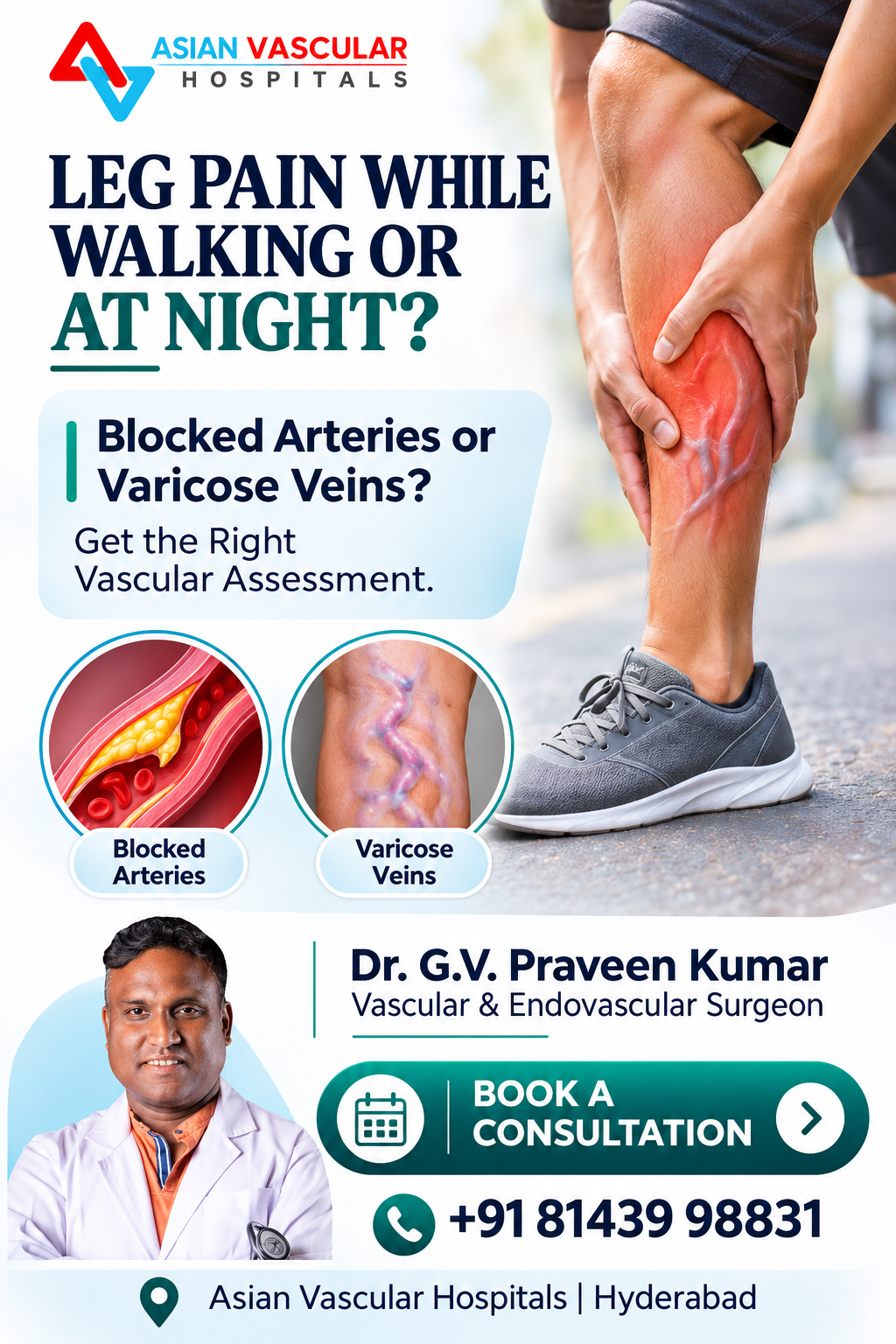
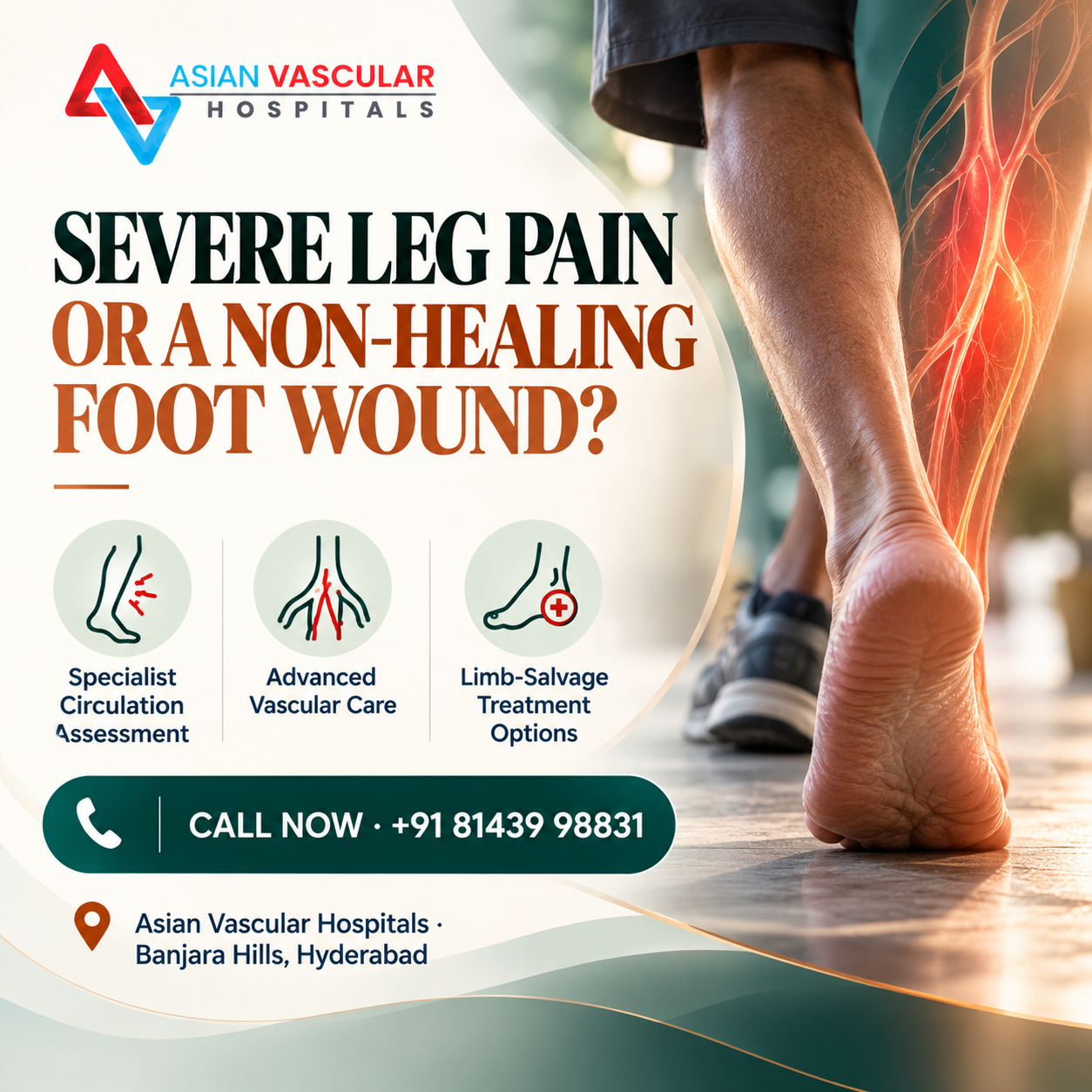
One of the most recognisable symptoms of peripheral artery disease (PAD) is pain that repeatedly appears during walking and settles after a short period of rest.
This pattern is known as intermittent claudication.
What happens when leg arteries become narrow?
Your leg muscles need a greater supply of oxygen-rich blood when you walk. Healthy arteries increase blood flow to meet this demand.
However, when fatty deposits and other changes narrow the arteries, blood cannot reach the working muscles as easily. During physical activity, the reduced supply may not meet the muscles’ oxygen requirements.
The result can be:
- Cramping or tightness in the calf.
- Pain in the thigh or buttock while walking.
- A tired or heavy feeling in one or both legs.
- Discomfort that begins after walking a fairly consistent distance.
- Relief after stopping and resting.
For example, you may be able to walk comfortably for a few minutes, but then develop calf pain that makes you stop. After resting, the pain settles and you can walk again.
If this pattern keeps returning, leg pain while walking blocked arteries should be considered as a possible cause and investigated by a qualified clinician.
Warning signs that may accompany PAD
Pay attention to other changes in your feet and legs, particularly if you have diabetes, high blood pressure, high cholesterol or a history of smoking.
Possible warning signs include:
- One foot feeling noticeably colder than the other.
- Reduced hair growth on the lower legs.
- Shiny, thin or unusually pale skin.
- Weak or difficult-to-feel foot pulses.
- Cuts or sores on the toes that heal slowly.
- Changes in the colour of the toes or feet.
- Pain in the feet or toes while resting.
Not everyone with PAD experiences all these symptoms. Some people have significant arterial disease with relatively few obvious warning signs.
When should you consult a PAD specialist?
Do not wait for walking pain to become severe. If your walking distance is gradually decreasing, or you repeatedly need to stop because of calf discomfort, arrange a vascular assessment.
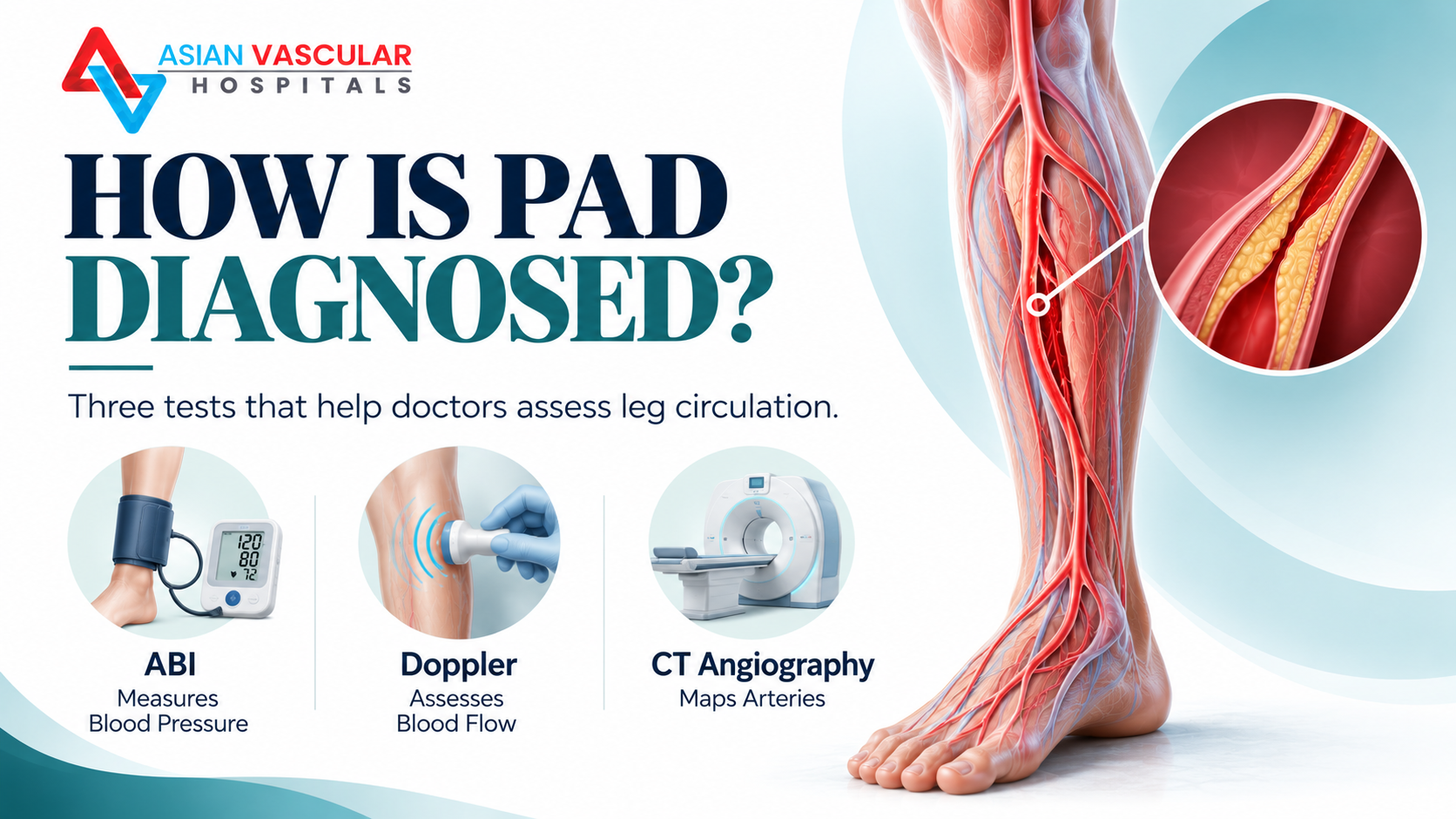
A specialist may recommend an ankle-brachial index (ABI), Doppler assessment or additional vascular imaging depending on your examination and medical history.
You can consult a specialist for peripheral artery disease (PAD) treatment in Hyderabad at Asian Vascular Hospitals.
The treatment plan depends on the severity and location of the arterial narrowing. It may involve risk-factor management, medication, structured exercise therapy or, in selected cases, angioplasty and stenting or bypass surgery.
2. Leg Pain at Night: Is It Varicose Veins or Poor Arterial Circulation?
Night-time leg pain can be confusing because different conditions may produce similar sensations.
Some people experience heavy, aching legs after a long day of standing. Others wake up with painful calf cramps or discomfort in their feet and toes.
The distinction matters: varicose veins and advanced arterial disease can both cause leg discomfort at rest, but they do so for different reasons.
How varicose veins cause leg heaviness and aching
Your veins carry blood from the legs back towards the heart. Small valves inside the veins help prevent blood from flowing backwards.
When these valves become weakened or stop working properly, blood can flow backwards and collect in the lower legs. This is known as venous reflux and can contribute to chronic venous insufficiency.
Because gravity encourages blood to collect in the lower limbs, symptoms may become more noticeable after prolonged standing or sitting.
Common symptoms include:
- Heavy or tired-feeling legs.
- Aching or throbbing around the calves.
- Swelling around the ankles.
- Visible, enlarged or twisted veins.
- Itching or irritation around the lower legs.
- Skin darkening near the ankles.
- Discomfort that improves when the legs are elevated.
Some people also report night-time cramps or restless sensations. However, cramps alone do not confirm that varicose veins are responsible.
What is the leg cramps at night vascular cause?
If you regularly wake up with calf cramps, it is worth understanding that several conditions can contribute.
Possible causes include:
- Venous disease, particularly when accompanied by swelling and heaviness.
- Peripheral artery disease, especially if there is pain in the foot or toes while resting.
- Muscle fatigue or dehydration.
- Certain medications or metabolic problems.
- Nerve-related conditions, including peripheral neuropathy.
One important warning sign is night-time foot pain that improves when you sit up or let your leg hang down from the bed. This can occur in advanced arterial disease because lowering the leg may temporarily improve blood flow to the foot.
Do not assume that every night-time cramp is a vein problem. If the pain is recurring, severe, or associated with cold feet, colour changes or wounds, seek medical assessment.
When should you consider varicose vein treatment?
If you notice visible veins, persistent heaviness, ankle swelling or skin changes, a vascular specialist can assess whether venous reflux is contributing to your symptoms.
Depending on the findings, treatment may include lifestyle changes, compression therapy, endovenous laser treatment (EVLT), radiofrequency ablation, sclerotherapy or other appropriate procedures.
To understand the available options, explore painless laser varicose veins treatment in Hyderabad.
The most suitable treatment depends on the affected veins, ultrasound findings and your overall health.
3. Why Ignoring Vascular Leg Pain Can Be Dangerous
Persistent leg pain does not always indicate a serious vascular condition. However, when poor circulation is responsible, delaying assessment can allow the underlying disease to progress.
The complications of arterial and venous disease are different.
What can happen if arterial blockages are left untreated?
PAD can progress in some patients, reducing the blood supply to the legs and feet.
In advanced disease, a person may develop chronic limb-threatening ischaemia (CLTI). This can cause:
- Persistent foot or toe pain, even while resting.
- Pain that becomes worse at night.
- Wounds that do not heal.
- Tissue damage or blackening of the toes.
- Gangrene in severe cases.
People with diabetes may be particularly vulnerable because nerve damage can reduce their ability to feel injuries or recognise worsening foot problems.
A small wound may therefore go unnoticed while poor circulation interferes with healing.
What can happen if venous disease is left untreated?
Long-standing venous reflux can increase pressure within the leg veins.
Over time, this may contribute to:
- Persistent ankle and lower-leg swelling.
- Itching and venous eczema.
- Brown or dark skin discolouration.
- Thickening or hardening of the skin.
- Venous leg ulcers, commonly around the ankle.
A wound that repeatedly opens or fails to heal needs an assessment of its underlying cause. Poor arterial circulation, venous disease, diabetes, infection and pressure can all contribute to lower-limb wounds.
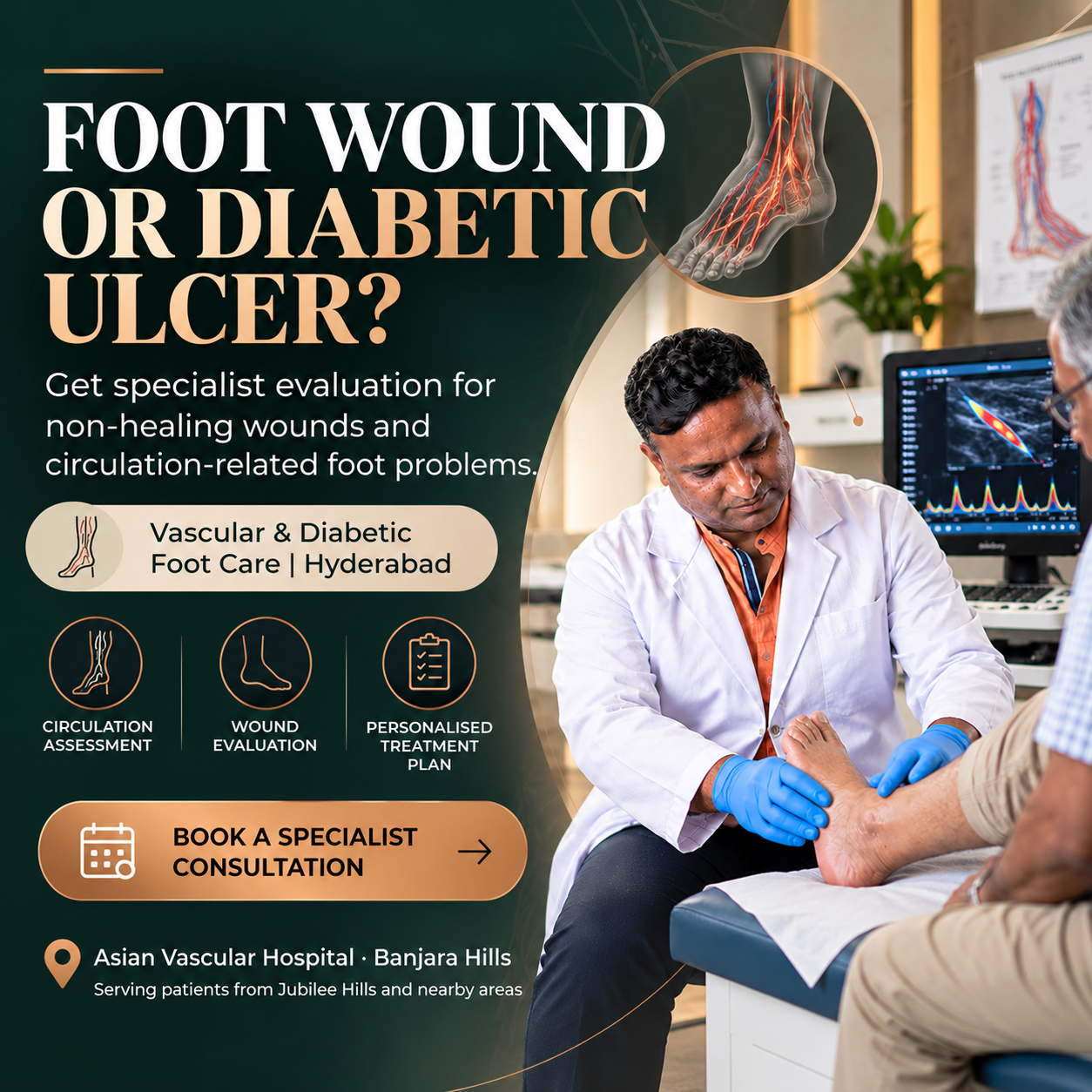
If you have diabetes or a non-healing foot wound, explore diabetic foot ulcer care and wound management at Asian Vascular Hospitals.
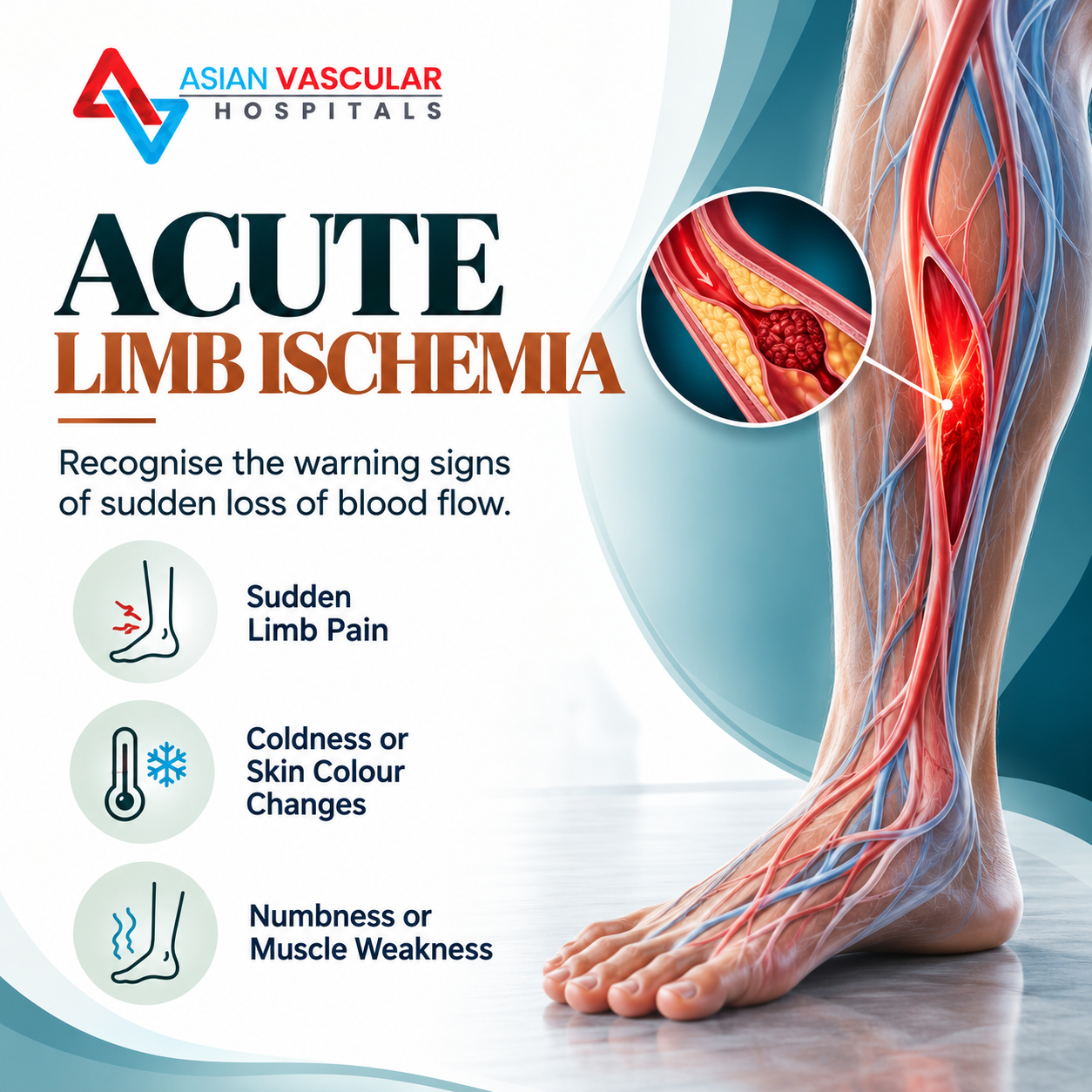
Seek urgent medical attention if you develop sudden severe leg pain, a suddenly cold or pale foot, new numbness or weakness, or rapidly worsening symptoms. These may indicate acute limb ischaemia, which is a medical emergency. A rapidly swollen, painful leg—particularly with breathlessness or chest pain—also needs urgent assessment for possible blood clot complications.
4. How Is the Exact Cause of Leg Pain Diagnosed?
Symptoms are useful clues, but a proper diagnosis requires more than identifying when the pain occurs.
At Asian Vascular Hospitals in Banjara Hills, Hyderabad, a vascular evaluation may include a clinical examination and appropriate investigations to assess arterial and venous circulation.
Step 1: Understanding your symptoms and medical history
The specialist may ask:
- Does the pain begin during walking?
- How far can you walk before the discomfort starts?
- Does the pain improve after resting?
- Does it occur when you lie down or sleep?
- Do you notice ankle swelling or visible veins?
- Is one foot colder than the other?
- Do you have diabetes, high blood pressure or high cholesterol?
- Have you noticed wounds that are slow to heal?
These details help guide the examination and identify which investigations may be appropriate.
Step 2: Arterial and venous Doppler ultrasound
A colour Doppler or duplex ultrasound uses sound waves to examine blood flow through blood vessels.
Depending on the type of examination, it can help assess:
Arterial circulation
- Blood flow through the leg arteries.
- Areas of narrowing or possible blockage.
- Changes in blood-flow patterns.
Venous circulation
- Blood flow through the leg veins.
- Evidence of venous reflux.
- Possible signs of venous obstruction or thrombosis.
The test is non-invasive and does not use ionising radiation. The examination required depends on the symptoms and clinical question.
Step 3: Additional tests when needed
For suspected PAD, the specialist may recommend an ankle-brachial index (ABI), which compares blood pressure at the ankle with blood pressure in the arm.
An ABI can help identify reduced arterial circulation. If the result is inconclusive or further information is required, additional testing may include exercise ABI, toe-brachial index (TBI), CT angiography or other vascular investigations.
For suspected venous reflux, a venous duplex examination can help identify which veins and valves are affected.
The goal is to identify the actual cause of your symptoms before deciding on treatment. Not every patient requires every test.
5. What Treatment Options Are Available for Blocked Arteries and Varicose Veins?
Treatment depends on the diagnosis, disease severity, location of the problem and the patient’s general health.
There is no single procedure that is appropriate for everyone.
Treatment options for blocked leg arteries
For PAD, treatment may include:
- Risk-factor management: Controlling diabetes, blood pressure and cholesterol, and stopping smoking.
- Medication: Medicines may be prescribed to reduce cardiovascular risk or manage specific symptoms.
- Structured exercise therapy: A supervised or structured walking programme may improve walking ability in suitable patients.
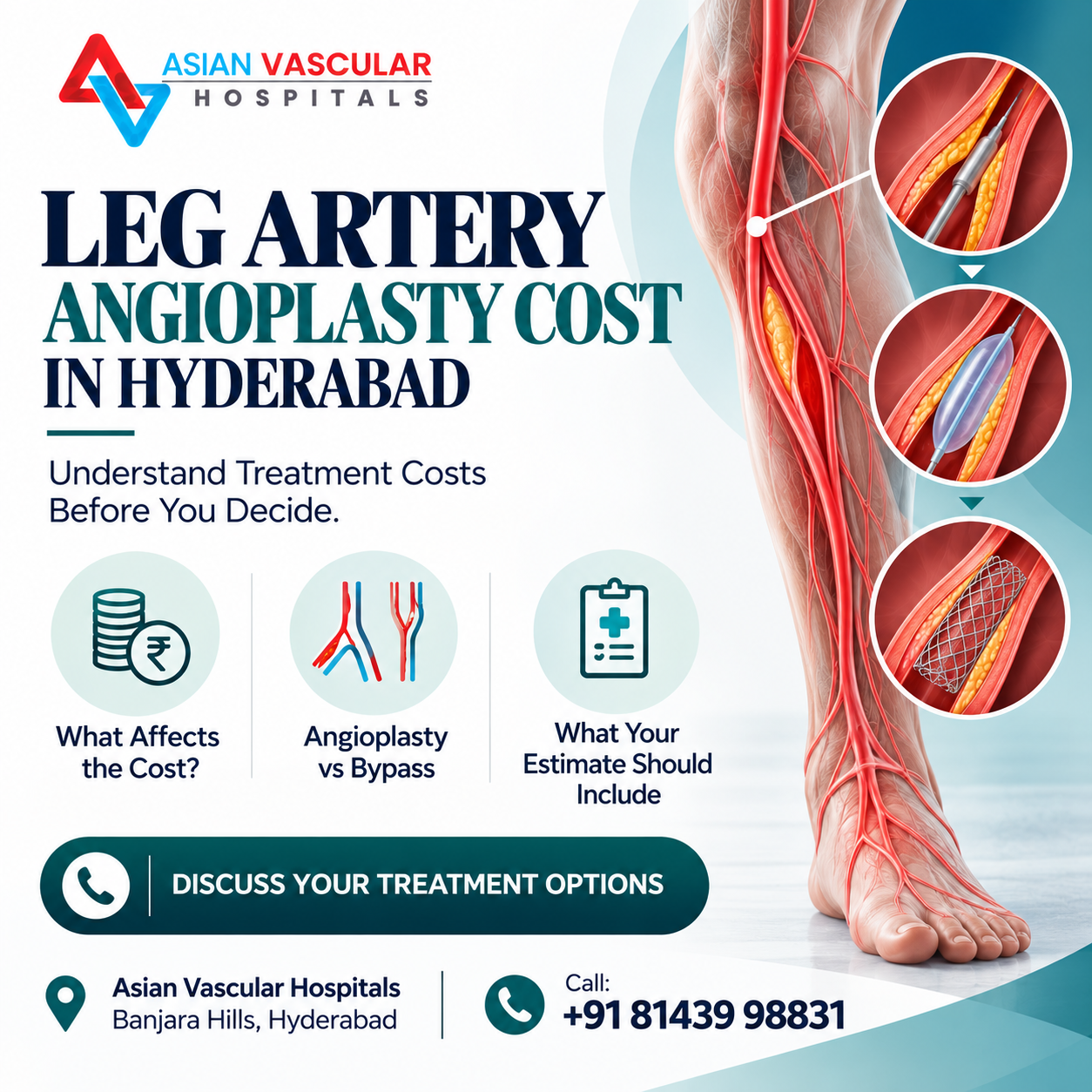
- Angioplasty and stenting: In selected cases, a catheter is used to reach the narrowed artery. A balloon may be inflated to widen the vessel, and a stent may be placed when appropriate.
- Bypass surgery: In selected patients, a surgical bypass may be considered to route blood around a significant blockage.
The decision to perform an intervention depends on symptoms, arterial anatomy, limb risk and response to other treatment.
Treatment options for varicose veins
For symptomatic varicose veins, possible treatments include:
- Compression therapy: Medical compression may help manage symptoms in suitable patients.
- Endovenous laser treatment (EVLT): A thin laser fibre is guided into the affected vein under ultrasound guidance to close it.
- Radiofrequency ablation (RFA): Heat generated by radiofrequency energy closes the affected vein.
- Sclerotherapy: A specialised solution is injected into selected veins to close them.
- Other procedures: Additional approaches may be appropriate depending on vein anatomy and clinical findings.
Many endovenous procedures are minimally invasive, but suitability, anaesthesia, recovery time and discharge arrangements vary from patient to patient.
The right treatment begins with the right diagnosis—not simply choosing the newest procedure.
6. When Should You See a Vascular Doctor for Leg Pain in Hyderabad?
Recurring leg discomfort deserves attention, particularly when it affects your ability to walk, sleep or carry out everyday activities.
Consider booking a vascular consultation if you notice any of the following:
- Calf pain that repeatedly begins after walking.
- A gradual reduction in the distance you can walk comfortably.
- Persistent leg heaviness or swelling, particularly after standing.
- Repeated night-time foot or calf pain.
- One foot feeling colder than the other.
- Visible varicose veins with pain, swelling or skin changes.
- A wound on your foot, ankle or leg that is not healing.
- Diabetes combined with foot pain, numbness or skin changes.
- A history of smoking, high cholesterol or cardiovascular disease alongside leg symptoms.
Do not wait for an appointment if you have emergency warning signs. Sudden severe pain, a cold or pale foot, new weakness or numbness, or rapidly worsening circulation symptoms require emergency medical assessment.
Book a Vascular Evaluation at Asian Vascular Hospitals, Hyderabad
If you are experiencing recurring leg pain, the first step is to understand whether the problem is related to arterial circulation, venous disease or another condition.
At Asian Vascular Hospitals, patients can seek specialist vascular assessment with Dr. G.V. Praveen Kumar, Founder Chairman and Chief Consultant in Vascular & Endovascular Surgery.
Your consultation can help clarify:
- Whether your symptoms suggest arterial or venous disease.
- Which vascular investigations may be appropriate.
- Whether medical management or a procedure should be considered.
- What follow-up and preventive care may be needed.
Book an evaluation with an experienced vascular doctor for leg pain in Hyderabad.
Asian Vascular Hospitals
8-2-676 2/B, Road No. 12, Sri Ram Nagar Colony,
Banjara Hills, Hyderabad, Telangana – 500034.
Call: +91 81439 98831
Doctor: Dr. G.V. Praveen Kumar, MBBS, MS, DNB (Vascular Surgery).
View the vascular surgeon’s profile
Frequently Asked Questions

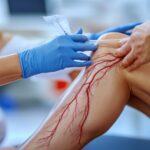 Looking for a Vascular Surgeon Near You? Hyderabad’s Trusted Experts Are Here
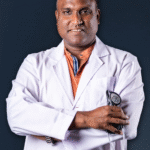 Top Vascular Surgeon in Hyderabad – Expert Care That Heals & Protects
 👣 Diabetic Foot Ulcer Symptoms: Don’t Miss These Early Warning Signs!
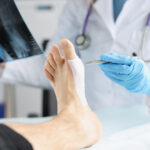 👣 Find the Best Diabetic Foot Doctor Near Me – Advanced Care at Asian Vascular Hospitals
 Vascular Surgeon in Nellore: Advanced Vascular Care for Healthy Living
 Vascular Surgeon in Bhongir: Advanced Vein & Artery Care
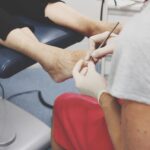 👣 Best Podiatrist Doctor in Hyderabad – Complete Foot Care Under One Roof
 🩸 Best Hospital for Varicose Veins Treatment in Hyderabad — Asian Vascular Hospitals