

Medically reviewed by Dr. G.V. Praveen Kumar, MS, DNB (Vascular Surgery)
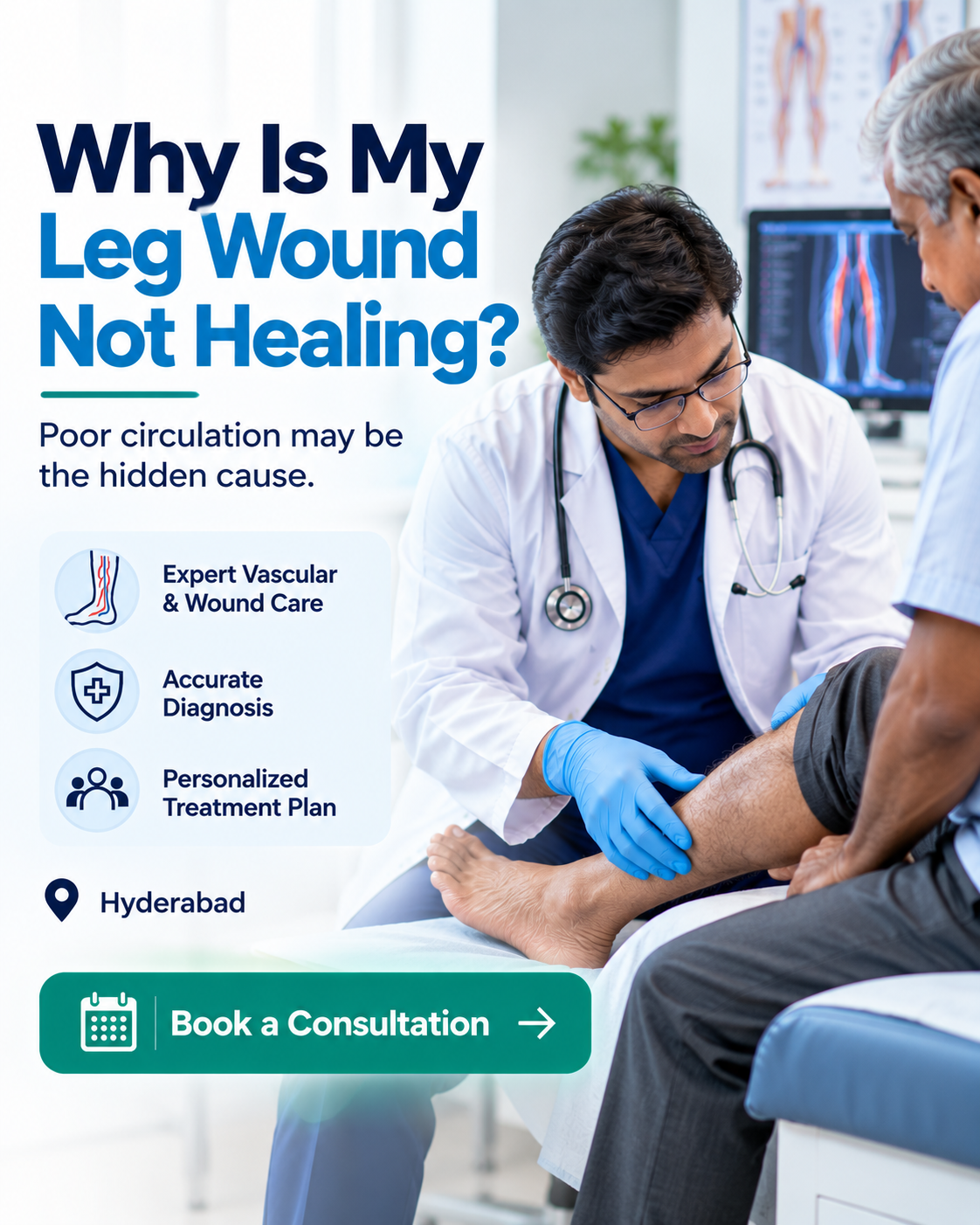
A small cut, scratch, or blister on the leg should normally begin improving within days. But when wounds on legs not healing remain open for weeks, repeatedly drain fluid, become painful, or develop discoloration around the skin, there may be a deeper problem affecting blood circulation.
In many cases, a chronic leg wound is not simply a skin problem. Healthy wound healing depends on adequate arterial blood flow, effective venous drainage, oxygen delivery, infection control, and appropriate wound care. Conditions such as peripheral artery disease (PAD), chronic venous insufficiency, diabetes, neuropathy, and infection can interfere with this process.
For people experiencing wounds on legs not healing, identifying the underlying cause early is important. A vascular evaluation can determine whether poor circulation, blocked arteries, venous disease, or another condition is preventing the wound from closing.
The Hidden Culprit: Why Blood Circulation Dictates Healing
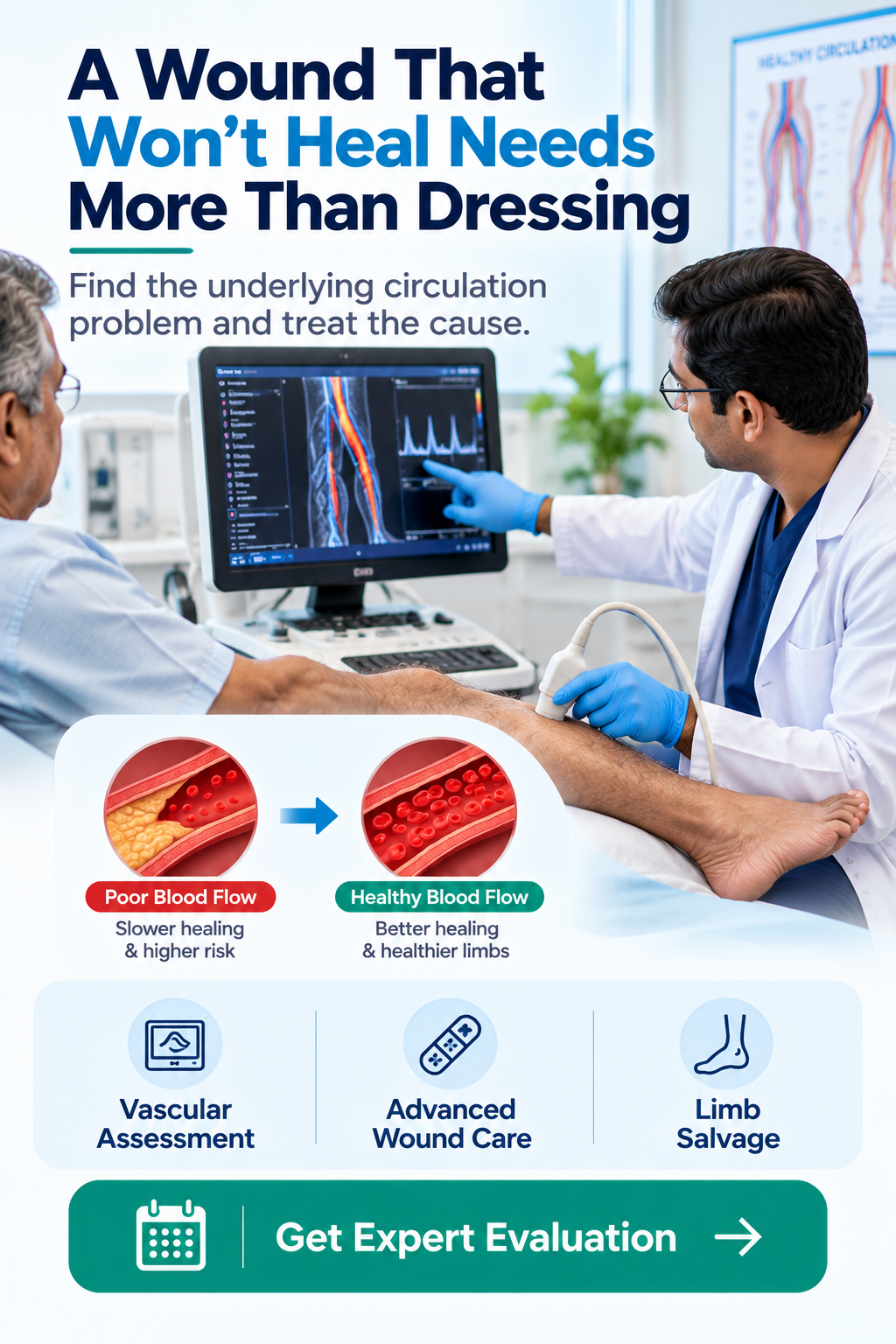
Healthy blood circulation supplies oxygen and nutrients needed for tissue repair while helping remove waste and excess fluid. When circulation is significantly reduced, a wound may struggle to heal even with regular dressing.
Arteries carry oxygen-rich blood from the heart to the legs and feet. Veins then return blood toward the heart.
When either side of this circulation is impaired, wound healing can be affected.
What happens when arterial blood flow is reduced?
Blocked or narrowed leg arteries can reduce the amount of oxygen reaching damaged tissue. Cells responsible for tissue repair may not receive enough oxygen and nutrients to rebuild the wound.
This can result in:
- Slow or absent wound healing
- Increasing wound pain
- Cold feet or legs
- Pale, bluish, or discoloured skin
- Reduced pulses in the feet
- Pain while walking
- Tissue damage in severe cases
This pattern is commonly associated with peripheral artery disease (PAD).
What happens when veins cannot drain blood properly?
Venous disease works differently. When the valves inside the leg veins do not function effectively, blood can accumulate in the lower legs.
Over time, this can cause:
- Persistent ankle and leg swelling
- Heaviness or aching
- Skin thickening or discoloration
- Itching
- Fluid leakage around the lower leg
- Chronic ulcers, particularly around the ankle
Therefore, when wounds on legs not healing persist, doctors need to assess both arterial supply and venous drainage rather than treating the wound surface alone.
Major Causes of Wounds on Legs Not Healing
There are several possible reasons a leg wound remains open. The most important causes include venous disease, arterial disease, diabetes, neuropathy, infection, pressure, and repeated trauma.
Chronic Venous Insufficiency and Varicose Ulcers
Chronic venous insufficiency occurs when blood has difficulty returning from the legs to the heart, causing venous pressure and fluid buildup that can eventually contribute to chronic ulcers.
Healthy veins contain valves that help blood move upward against gravity. When these valves become weak or damaged, blood can flow backward and pool in the lower legs.
This condition may occur alongside varicose veins.
Common signs include:
- Swelling around the ankles
- Heavy or tired legs
- Visible varicose veins
- Brownish or reddish skin discoloration
- Itching or skin irritation
- Thickened skin around the lower leg
- Shallow, moist or weeping ulcers near the ankle
Chronic venous insufficiency can gradually damage the skin and underlying tissue. Without addressing the venous problem, simply covering the ulcer may not be enough to achieve lasting healing.
A vascular specialist may use a Doppler ultrasound to evaluate blood flow and identify venous reflux or other abnormalities.
Peripheral Artery Disease (PAD) and Arterial Ulcers
Peripheral artery disease develops when arteries supplying the legs become narrowed or blocked, reducing blood flow to the tissues.
Atherosclerosis is a common cause. Risk is higher in people with diabetes, smoking history, high blood pressure, high cholesterol, and other cardiovascular risk factors.
A person with PAD may experience:
- Leg pain while walking that improves with rest
- Cold feet
- Reduced hair growth on the legs
- Pale or bluish skin
- Weak or absent foot pulses
- Pain in the foot or toes, particularly at rest in advanced disease
- Wounds that remain open or worsen
Arterial ulcers may appear on areas such as the toes, feet, heels, or other pressure points. They can be painful and may have a relatively sharply defined appearance.
When wounds on legs not healing are accompanied by signs of poor circulation, delaying vascular assessment can allow tissue damage to progress.
Diabetes and Neuropathy
Diabetes can impair wound healing through a combination of nerve damage, reduced circulation, metabolic changes, and increased infection risk.
Diabetic neuropathy can reduce sensation in the feet and lower legs. A person may therefore develop a blister, cut, pressure injury, or burn without noticing it.
At the same time, diabetes can contribute to peripheral artery disease and other circulation problems.
This creates a dangerous cycle:
Reduced sensation → unnoticed injury → continued pressure or trauma → wound formation → impaired healing → infection risk
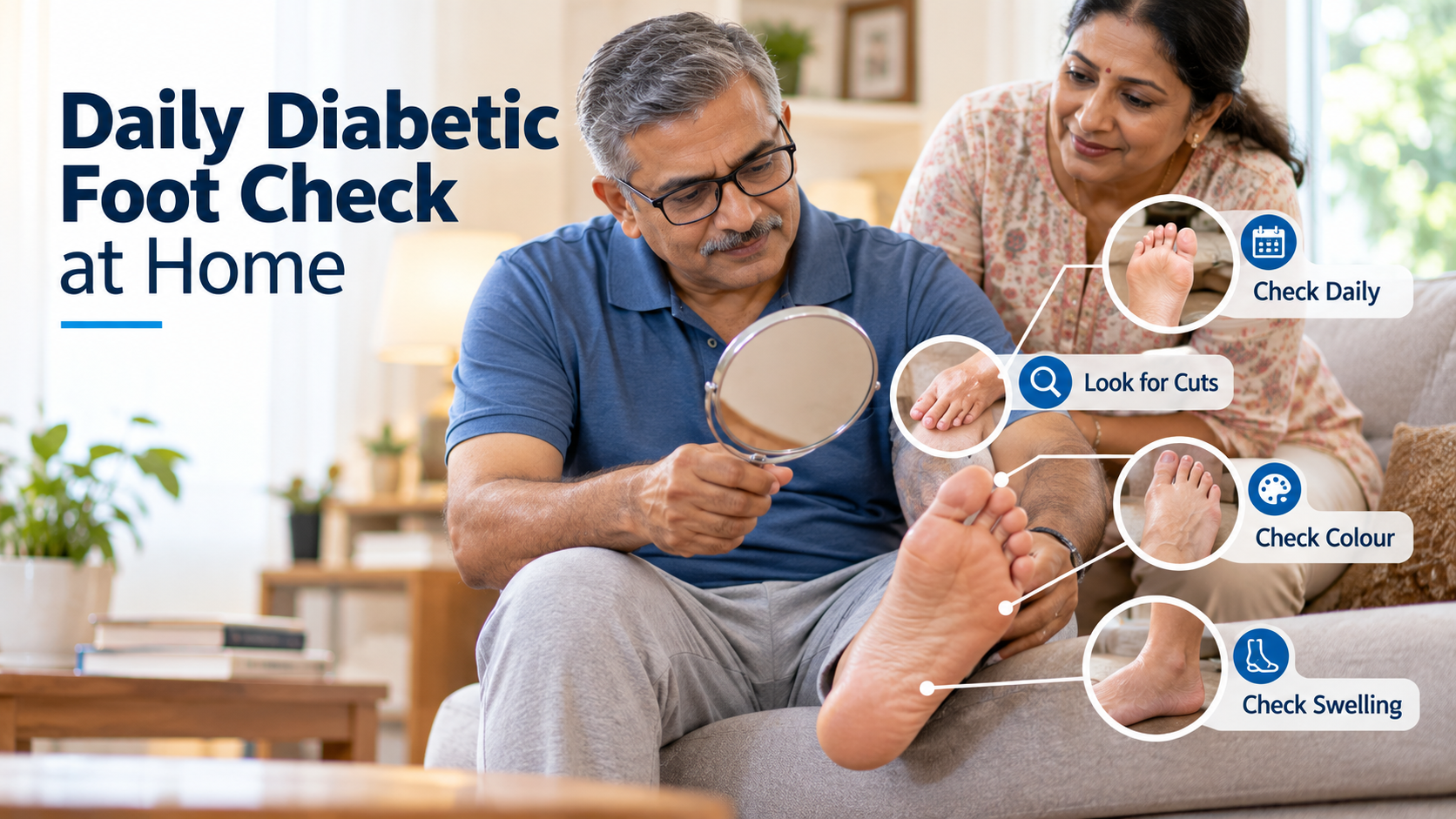
People with diabetes should therefore inspect their feet and lower legs regularly, use appropriate footwear, and seek medical assessment for wounds that are not improving.
What Happens If You Ignore a Non-Healing Leg Sore?
A chronic wound can become increasingly difficult to treat when the underlying cause is left untreated. Infection, tissue damage, and progressive circulation problems can threaten the limb in severe cases.
A wound that remains open provides an opportunity for bacteria to enter deeper tissues.
Potential complications include:
Infection and cellulitis
Redness, warmth, swelling, increasing pain, discharge, or foul odour can indicate infection. Cellulitis can spread through surrounding skin and soft tissue.
Deep tissue infection
In more advanced cases, infection may extend into deeper structures, including muscles, tendons, or bone.
Tissue necrosis
Severely compromised blood supply or uncontrolled infection can cause tissue death.
Limb-threatening complications
When infection and poor circulation occur together—particularly in people with diabetes—the risk of serious tissue loss can increase.
In severe cases, amputation may become necessary. However, early diagnosis and appropriate treatment can help doctors address the underlying cause and, when clinically possible, pursue limb-salvage strategies.
Why home remedies may not solve the problem
Antiseptic creams, repeated dressing, and home remedies may help protect some superficial wounds, but they cannot reopen a significantly blocked artery or correct severe venous reflux.
If poor circulation is responsible for wounds on legs not healing, the wound itself is only part of the problem.
The underlying vascular condition needs to be identified and treated.
Advanced Treatments for Non-Healing Leg Wounds at Asian Vascular Hospitals, Hyderabad
Advanced wound care should focus on identifying why the wound developed and treating the underlying cause—not simply covering the wound repeatedly.
At Asian Vascular Hospitals in Banjara Hills, Hyderabad, vascular assessment can help determine whether arterial disease, venous disease, diabetes-related complications, infection, or another condition is contributing to delayed healing.
Minimally Invasive Endovascular Procedures
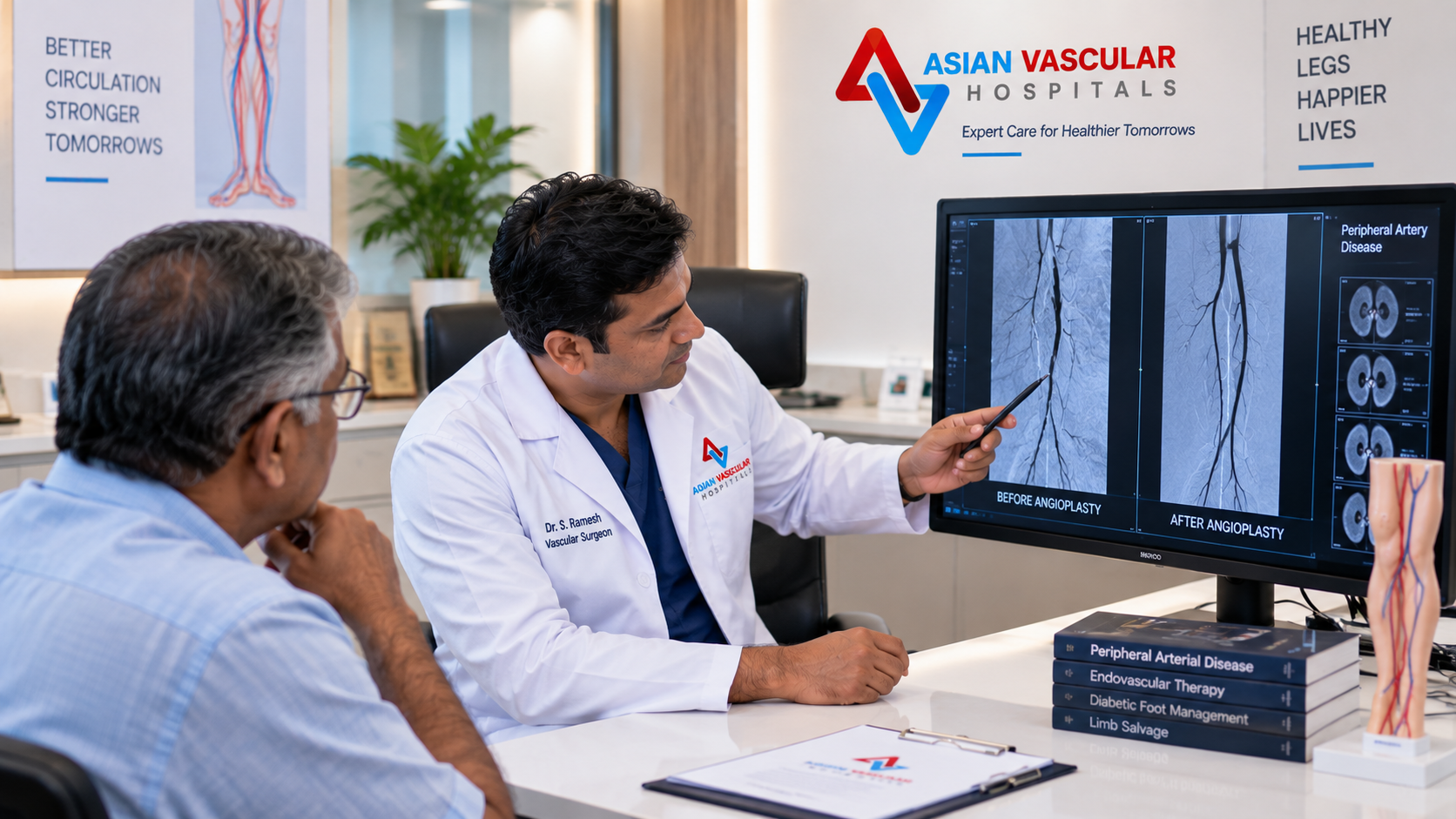
When blocked or narrowed leg arteries are preventing adequate blood flow, endovascular procedures such as angioplasty may be used to improve circulation in appropriately selected patients.
During angioplasty, a catheter is guided through the blood vessels to the area of narrowing. A balloon may be used to widen the narrowed segment.
In selected cases, a stent may be placed to help maintain vessel openness.
The goal is to improve blood flow to tissue that needs oxygen and nutrients for healing.
Whether angioplasty, stenting, bypass surgery, or another approach is appropriate depends on the location and severity of arterial disease and the patient’s overall condition.
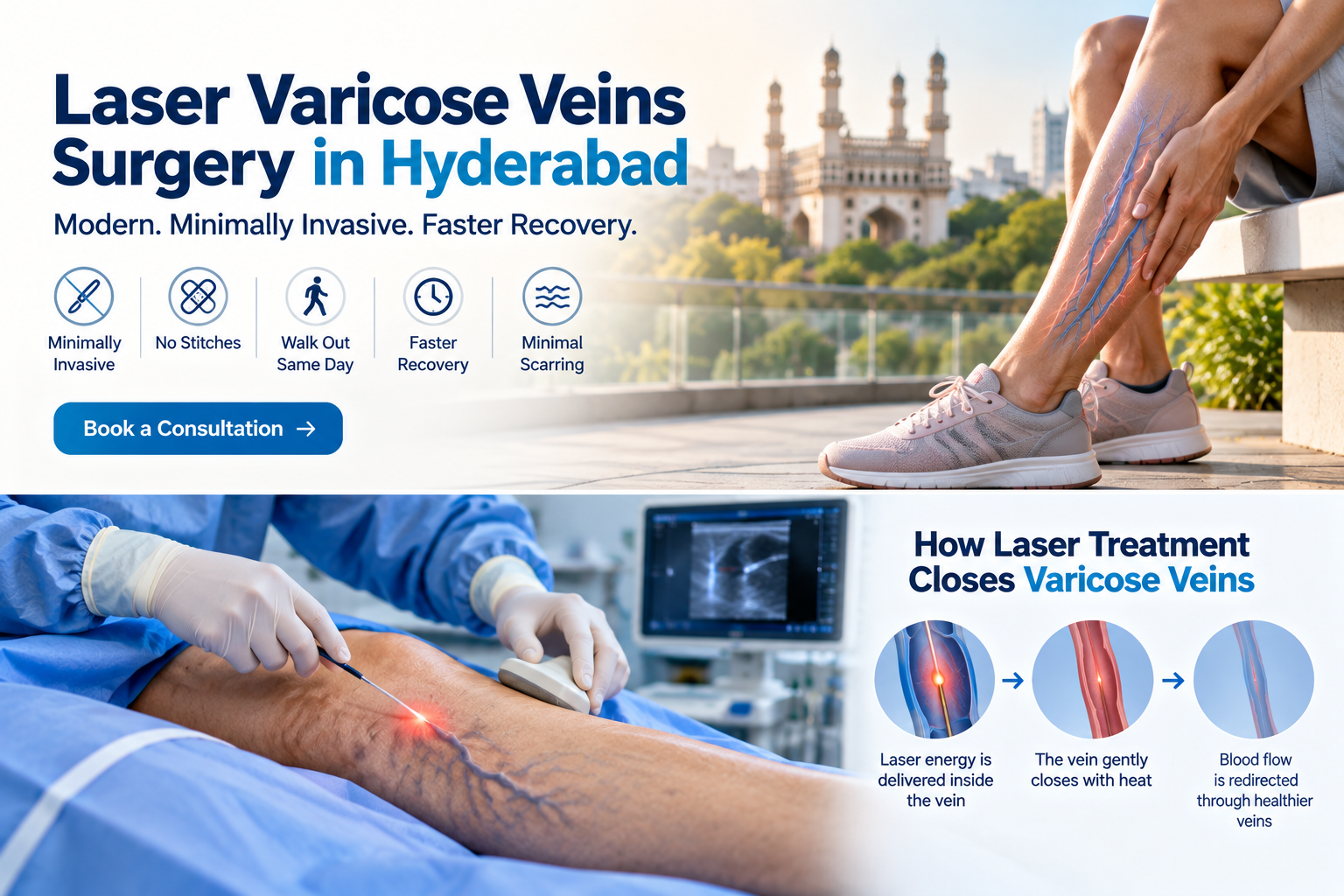
Laser and Radiofrequency Treatment for Venous Disease
When chronic venous insufficiency or venous reflux contributes to an ulcer, treating the abnormal vein may be an important part of the overall treatment plan.
Depending on the patient’s condition, minimally invasive techniques can include:
- Endovenous laser treatment
- Radiofrequency ablation
- Ultrasound-guided procedures
- Sclerotherapy in appropriate cases
- Combination or hybrid approaches
These procedures aim to address abnormal venous blood flow rather than repeatedly treating the ulcer alone.
A Doppler ultrasound is commonly used to assess the venous system and help determine the appropriate treatment.
Advanced Wound Management and Limb Salvage
Complex wounds may require coordinated wound management, infection control, removal of unhealthy tissue, pressure management, and restoration of adequate blood flow.
Depending on the wound, treatment may involve:
- Professional wound assessment
- Debridement when clinically indicated
- Infection management
- Appropriate wound dressings
- Pressure/offloading strategies
- Assessment of arterial circulation
- Assessment of venous circulation
- Revascularization when appropriate
- Ongoing monitoring during healing
The objective is to create the conditions necessary for the body to repair damaged tissue while addressing the underlying vascular problem.
When Should You See a Vascular Doctor for a Leg Wound?
If a leg wound is not clearly improving within 2–3 weeks, or is getting worse at any point, it deserves professional medical evaluation rather than prolonged self-treatment.
You should seek medical attention sooner if you notice:
- Increasing redness or swelling
- Pus or foul-smelling discharge
- Black, grey, or visibly dying tissue
- Severe or worsening pain
- Coldness or colour change in the foot
- Fever or chills
- Rapidly increasing wound size
- New numbness or loss of sensation
- A wound associated with diabetes
- A wound that repeatedly opens after appearing to heal
If you have diabetes or known circulation problems, don’t wait for a wound to become severe before seeking evaluation.
Looking for a vascular doctor for leg wounds in Hyderabad?
Asian Vascular Hospitals in Banjara Hills, Hyderabad, provides specialized vascular evaluation and treatment for conditions associated with chronic wounds, including arterial disease, venous disease, diabetic foot complications, and limb-threatening circulation problems.
Dr. G.V. Praveen Kumar, MS, DNB (Vascular Surgery), brings more than 20 years of vascular experience and has been involved in thousands of vascular procedures.
Need evaluation for a non-healing wound?
Asian Vascular Hospitals
8-2-676 2/B, Road No. 12, Sri Ram Nagar Colony, Banjara Hills, Hyderabad, Telangana – 500034
Appointment: +91 81439 98831
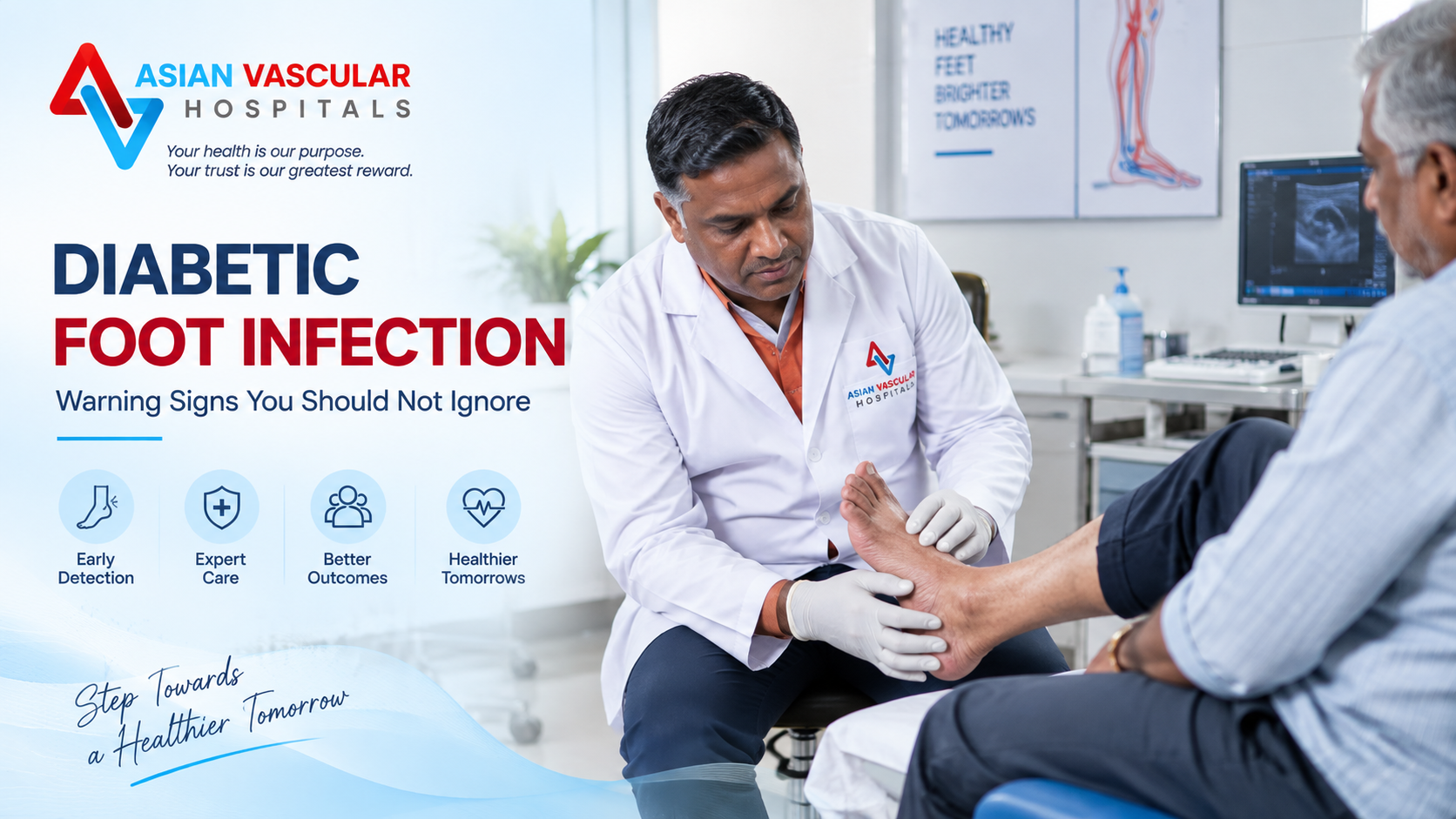
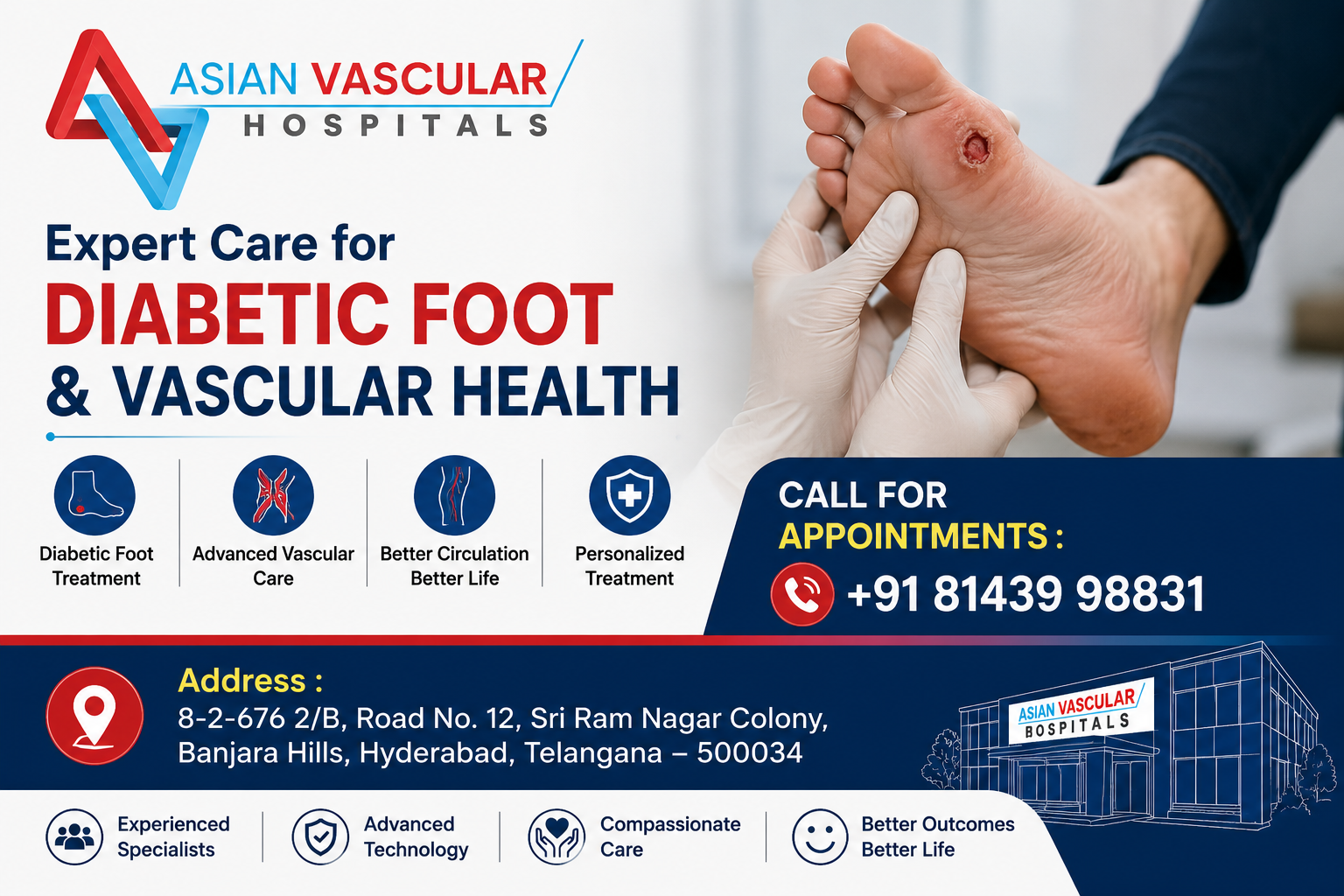
Explore Advanced Wound Care & Diabetic Foot Treatment in Hyderabad
Frequently Asked Questions
- All Post
- blog
Related posts:
 Aneurysm Treatment in Hyderabad: Expert Care for Your Vascular Health
 Best Vascular Surgeon – Everything You Need to Know Before Choosing One
 Varicose Veins Treatment Cost – Affordable Laser Surgery in Hyderabad
 Peripheral Neuropathy: Causes, Symptoms, and Treatment Options
 🦶 Diabetic Foot Care at Asian Vascular Hospitals, Hyderabad
 Vascular Surgeon in Karimnagar: Advanced Vascular Care for Healthier Living
 Vascular Surgeon in Bhuvanagiri: Advanced Vein & Artery Care
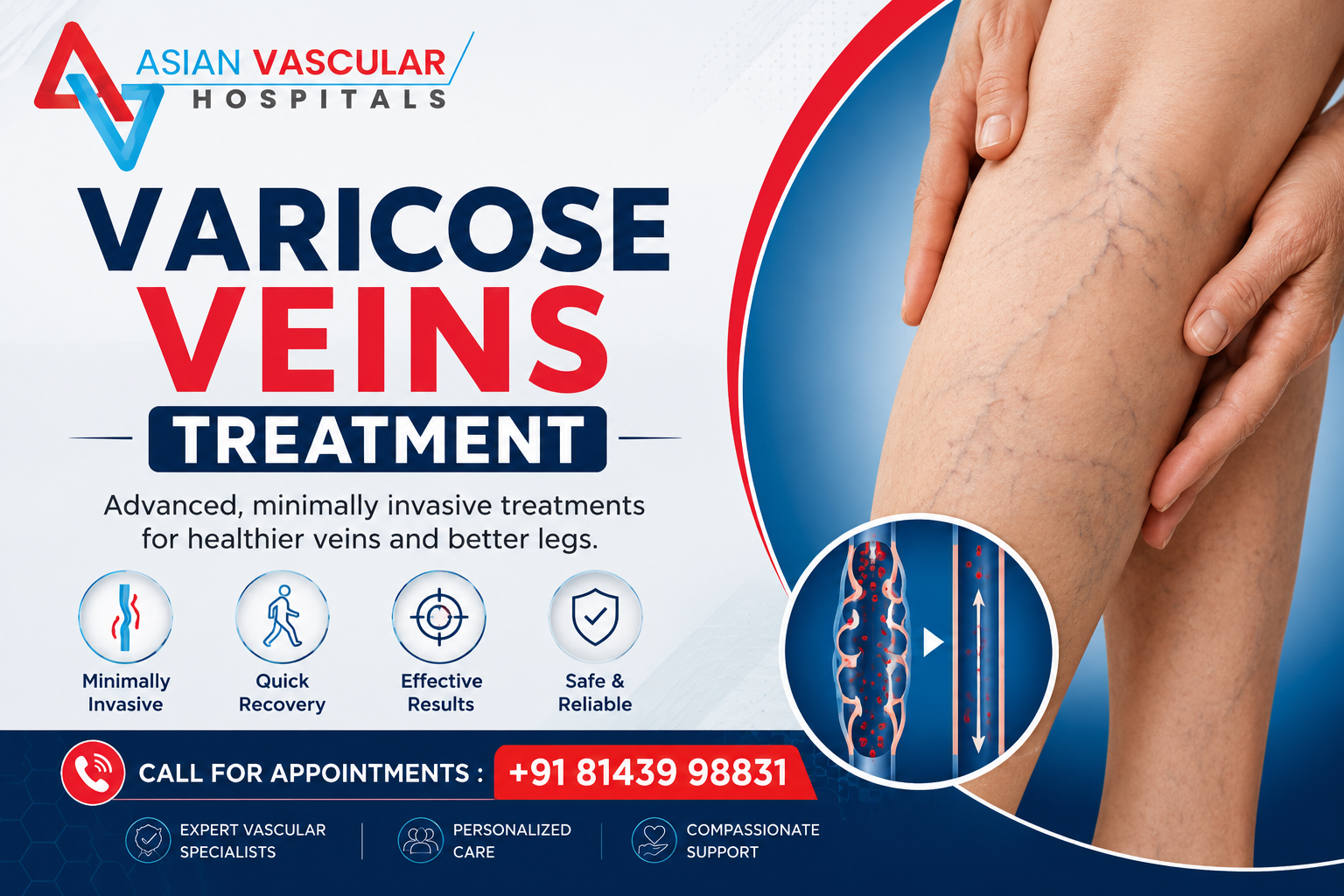
 Varicose Veins Medical Treatment – Advanced Options for Lasting Relief