

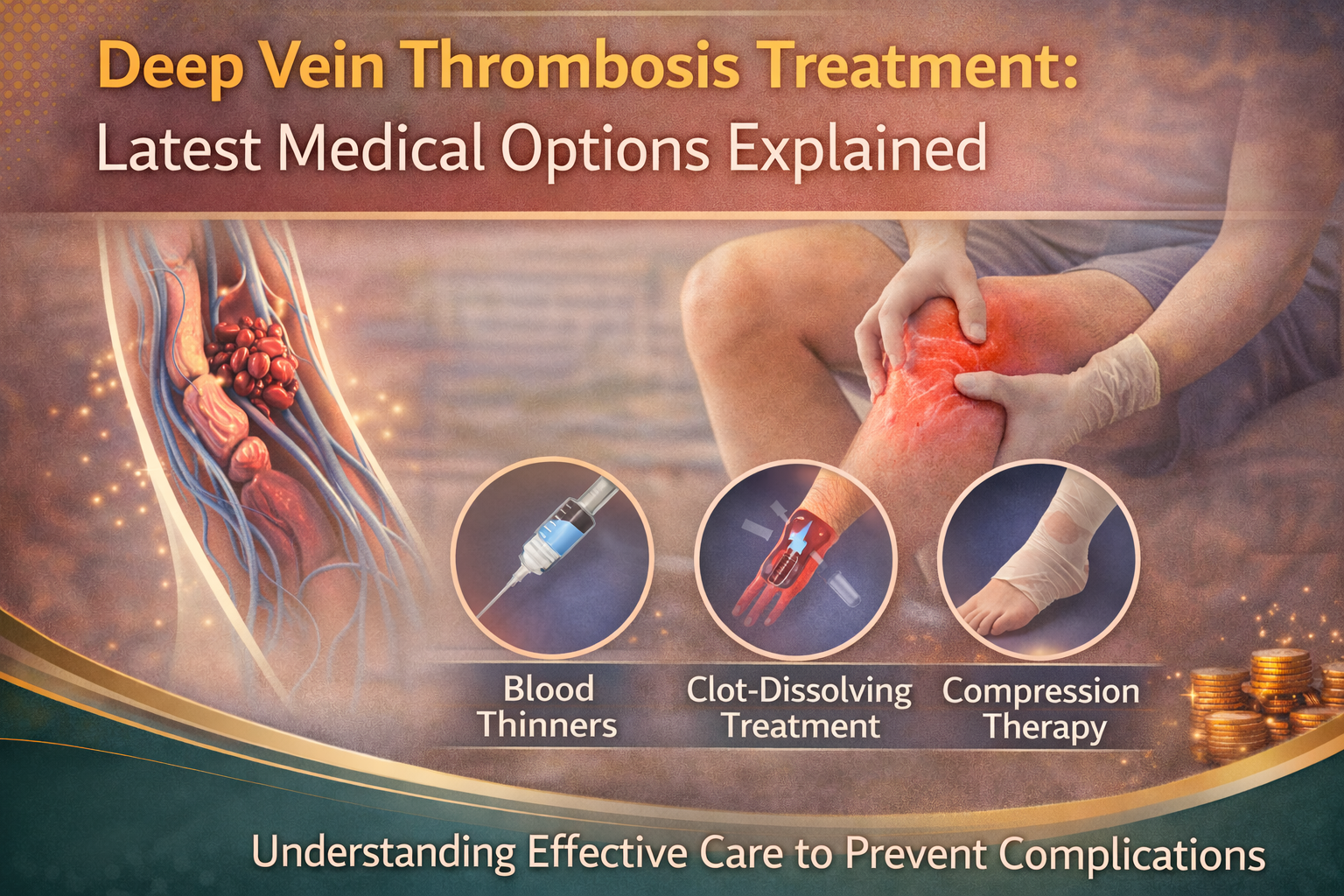
Deep vein thrombosis (DVT) requires prompt, targeted care to prevent complications like pulmonary embolism. Modern deep vein thrombosis treatment focuses on stopping clot growth, restoring blood flow, and reducing long-term damage—often without major surgery.
What Is the Goal of Deep Vein Thrombosis Treatment?
Deep vein thrombosis treatment aims to prevent the clot from enlarging or traveling to the lungs, relieve symptoms, and avoid recurrence. Most patients start therapy immediately after diagnosis to stabilize the condition and reduce risk.
First-Line Treatment: Anticoagulant Therapy
The backbone of deep vein thrombosis treatment is anticoagulant therapy (blood thinners). These medications don’t dissolve the clot instantly but prevent it from growing while the body gradually breaks it down.
Common approaches include:
- Initial injections (heparin)
- Oral dvt medication (DOACs like apixaban/rivaroxaban or warfarin)
- Treatment duration based on risk (often 3–6 months or longer)
This is the most widely used option among dvt treatment options for stable patients.
Advanced Options for Faster Clot Resolution
When symptoms are severe or there’s a high risk to the limb, doctors may escalate deep vein thrombosis treatment.
Catheter-Directed Thrombolysis
A catheter delivers clot-dissolving drugs directly into the blockage.
- Faster symptom relief
- Preserves vein function
- Used in selected cases
Mechanical Thrombectomy
Special devices physically remove the clot.
- Useful for large or acute clots
- Reduces long-term complications
These advanced dvt treatment options are chosen after careful evaluation.
Supportive Care That Improves Outcomes
Alongside medications, supportive measures are essential in deep vein thrombosis treatment:
- Compression stockings to reduce swelling
- Early, guided walking to improve circulation
- Leg elevation to ease discomfort
These steps enhance recovery and reduce post-thrombotic syndrome.
How Doctors Choose the Right Treatment
The best deep vein thrombosis treatment depends on:
- Location and size of the clot
- Symptom severity
- Risk of bleeding
- Patient’s overall health
A personalized plan ensures safe and effective blood clot treatment leg strategies with minimal complications.
Recovery and What to Expect
With timely deep vein thrombosis treatment, most patients experience:
- Gradual reduction in pain and swelling
- Stabilization within days
- Full recovery over weeks to months
Regular follow-ups ensure the dvt medication is working well and adjusted if needed.
When to Seek Urgent Care
Get immediate medical attention if you have:
- Sudden leg swelling with pain
- Breathlessness or chest pain
- Rapid increase in leg discomfort
Early diagnosis and deep vein thrombosis treatment can be life-saving.
Get Expert DVT Care in Hyderabad
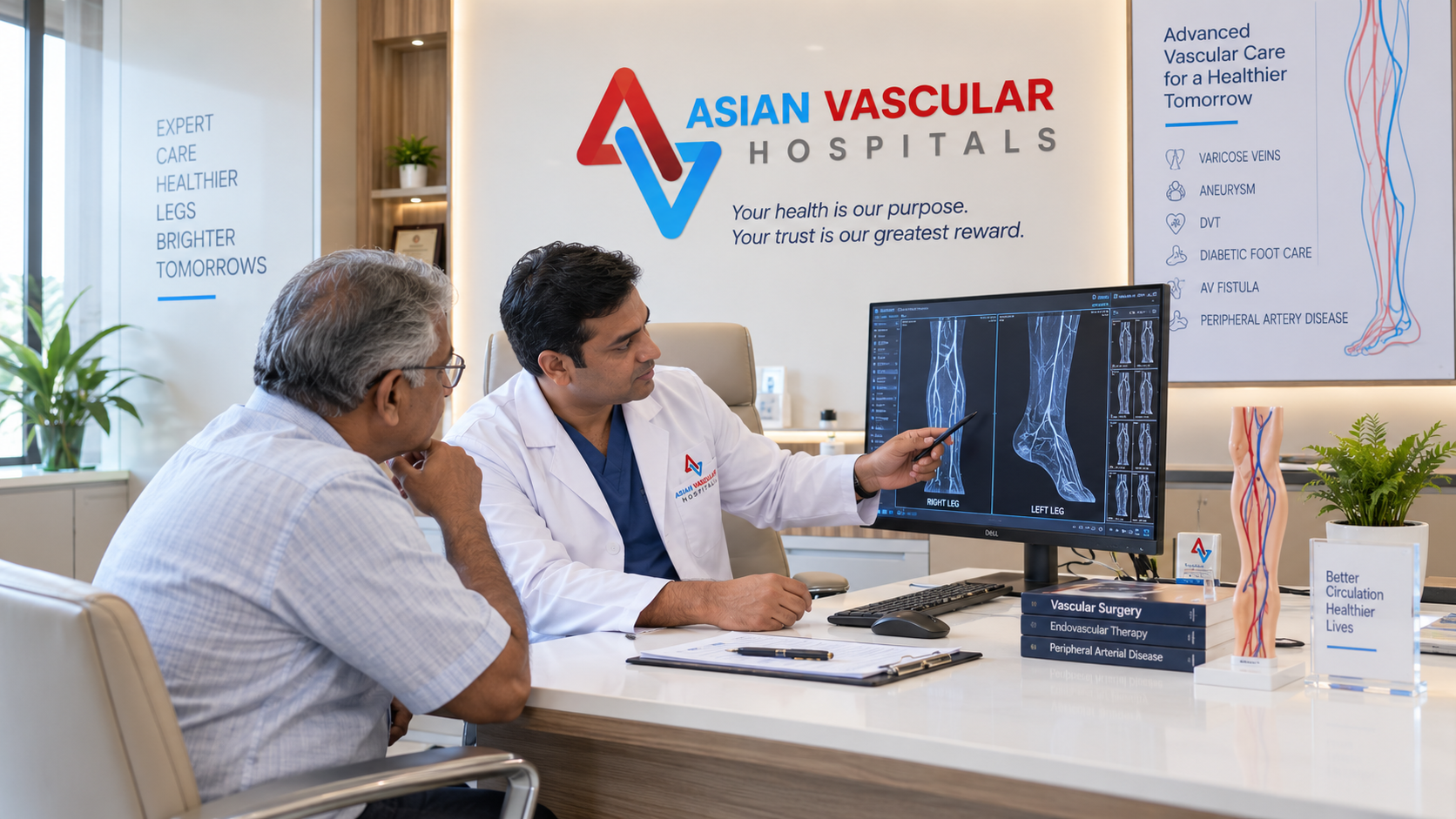
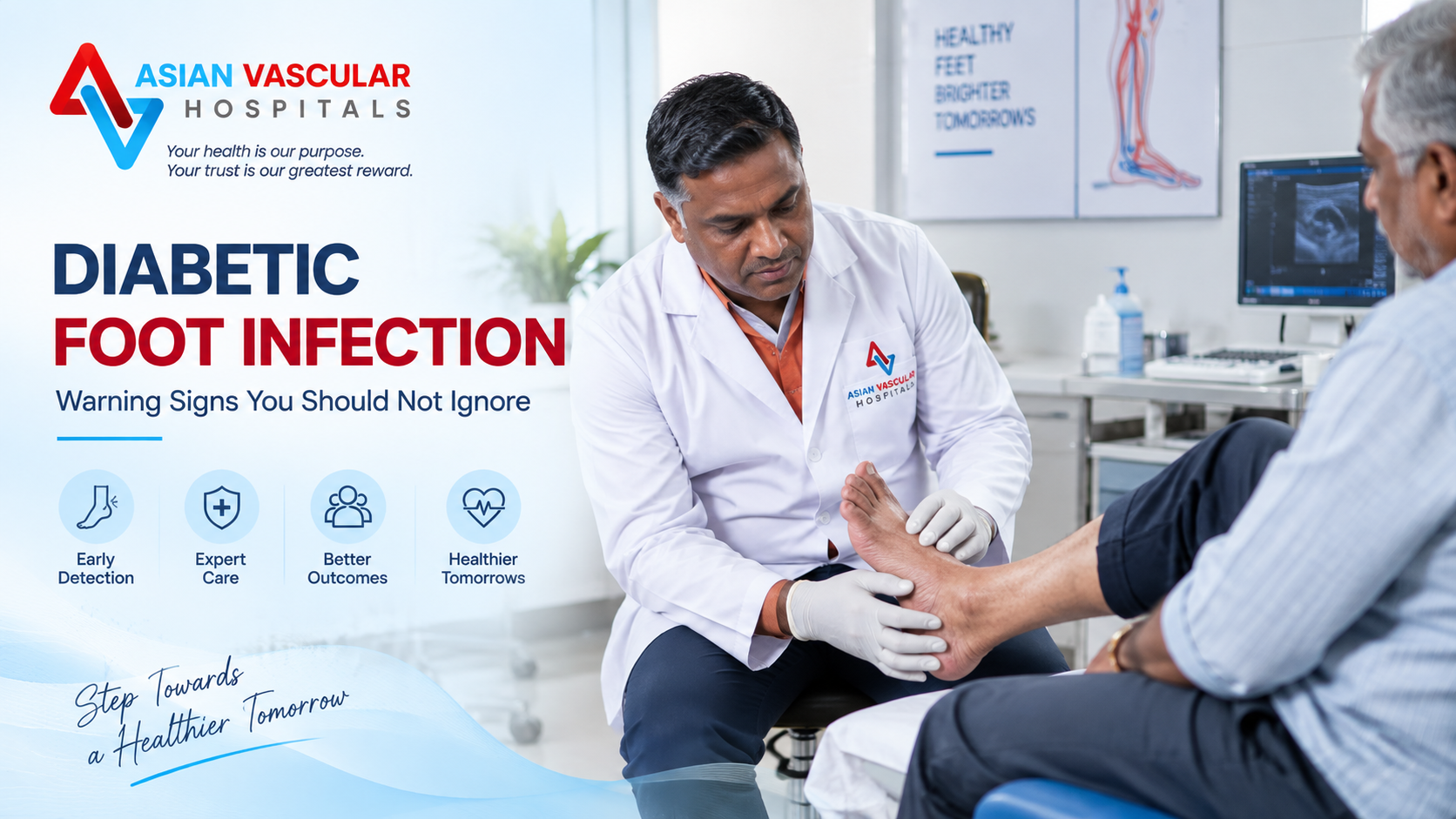
If you suspect a blood clot or have been diagnosed with DVT, don’t delay treatment. At Asian Vascular Hospitals, advanced deep vein thrombosis treatment is available—from anticoagulant therapy to catheter-based clot removal.
Led by Dr. G. V. Praveen Kumar, the team offers rapid diagnosis and personalized dvt treatment options focused on safety and long-term outcomes.
📞 Call: +91 81439 98831
🌐 Visit: asianvascularhospitals.com
🚑 24/7 emergency vascular care available
Early treatment prevents complications—act fast for better recovery.
- All Post
- blog

Related posts:
 Vascular Surgeon Vijayawada – Advanced Care by Dr. G.V. Praveen Kumar
 Early Stage Diabetic Foot Ulcer – Catch It Before It Gets Serious
 🧠 Peripheral Neuropathy Test – Detect Nerve Damage Early & Protect Your Health
 Laser Treatment for Varicose Veins Near Me – Asian Vascular Hospitals
 🌟 Best Treatment for Peripheral Neuropathy – Asian Vascular Hospitals
 Vascular Surgeon in Medchal: Advanced Care for Healthy Circulation
 Diabetic Foot Shoes: Comfort & Protection for Every Step
 👣 Podiatrist Hyderabad – Expert Foot & Ankle Care at Asian Vascular Hospitals