
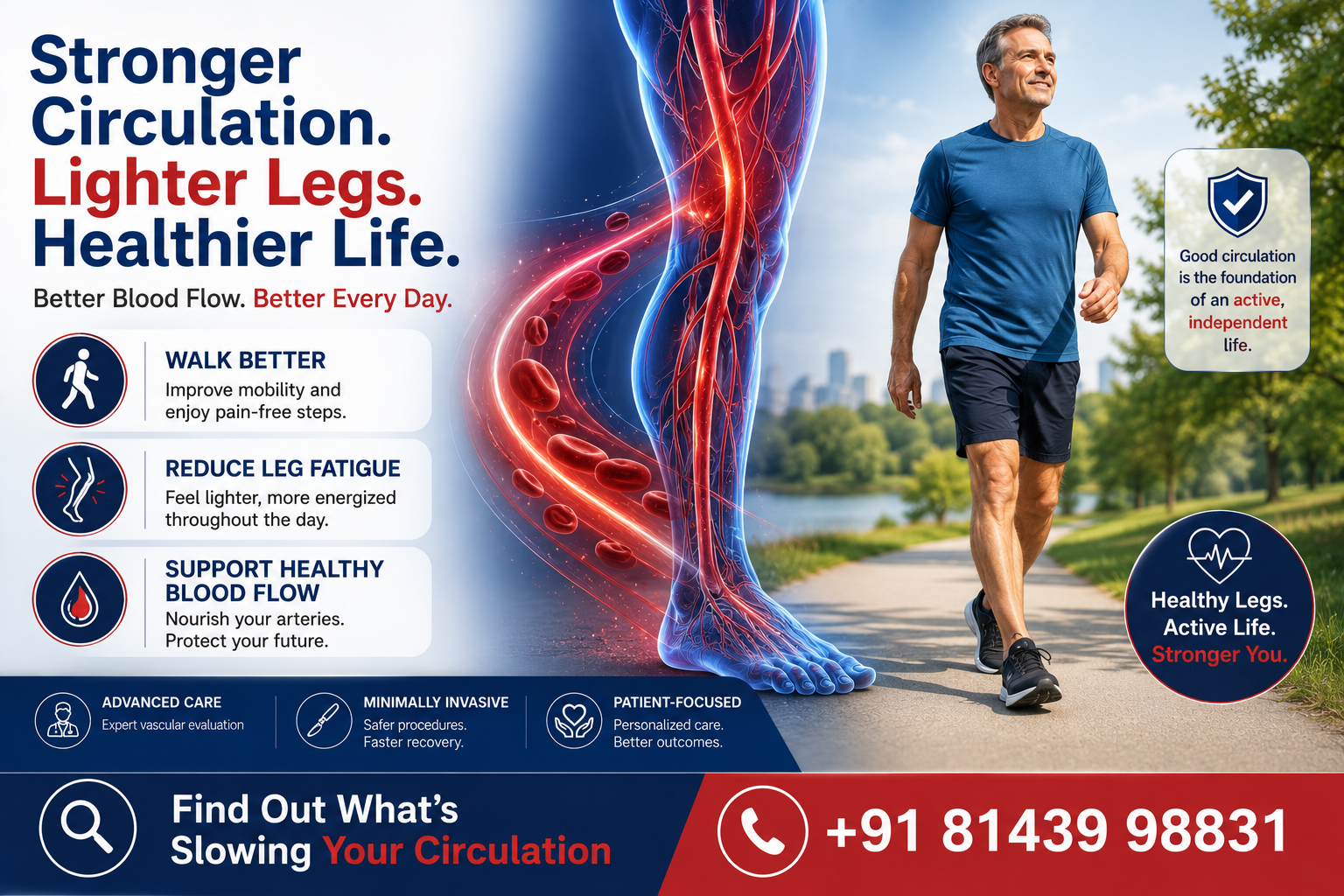
Your Legs Are Talking to You. Are You Listening?
Do your legs feel heavy by evening? Are your feet unusually cold? Do you experience cramps while walking or notice that small wounds take longer to heal?
These aren’t just signs of tiredness. In many cases, they’re early signals that your body is struggling with circulation.
Learning how to improve blood circulation in legs isn’t only about comfort—it’s about protecting your mobility, preventing vascular complications, and maintaining long-term leg health.
The good news? Small changes made early can create a significant difference in blood flow and overall vascular health.
The Circulation Check: Are You at Risk?
Many people don’t realize they have circulation issues until symptoms become noticeable.
Common signs of reduced circulation:
🔹 Leg heaviness
🔹 Cold feet
🔹 Cramping while walking
🔹 Numbness or tingling
🔹 Slow-healing cuts or wounds
🔹 Swelling around the ankles
If several of these symptoms sound familiar, it’s time to focus on ways to improve blood circulation in legs before more serious problems develop.
Why Good Circulation Matters More Than You Think
Blood carries oxygen and nutrients to every tissue in your body.
When circulation slows down:
- Muscles fatigue faster
- Wounds heal more slowly
- Swelling becomes more common
- Walking may become uncomfortable
- Long-term vascular disease risk increases
Strong vascular health helps keep your legs active, healthy, and functioning properly as you age.
1. Walk More—It’s the Closest Thing to a Natural Circulation Booster
Many people assume rest improves circulation.
In reality, movement is one of the most effective ways to improve blood circulation in legs.
Why walking works:
Every step activates the calf muscles, which act like a natural pump that pushes blood back toward the heart.
Simple goal:
Start with:
- 20–30 minutes daily
- Comfortable pace
- Gradually increase distance
Consistent walking remains one of the most effective poor circulation remedies available.
2. Stop Sitting for Long Periods
Modern lifestyles often involve:
- Desk jobs
- Long commutes
- Extended screen time
Remaining seated for hours can slow blood flow significantly.
Circulation rule:
Move every 30–60 minutes.
Even simple activities help:
- Standing up
- Stretching
- Walking around the room
- Climbing stairs
Small movement breaks can dramatically improve blood circulation in legs over time.
3. Elevate Your Legs the Smart Way
If you experience swelling or heaviness, elevation can help.
Best practice:
Raise your legs above heart level for:
- 15–20 minutes
- Once or twice daily
This supports venous return and reduces pressure in the lower limbs.
Among home-based poor circulation remedies, leg elevation is one of the simplest and most effective.
4. Stay Hydrated—Your Blood Flow Depends on It
Many people underestimate the role hydration plays in circulation.
When dehydrated:
- Blood becomes more concentrated
- Circulation efficiency decreases
- Muscles fatigue faster
Supporting vascular health starts with maintaining adequate daily fluid intake.
5. Manage Diabetes, Blood Pressure & Cholesterol
Poor circulation often develops silently through underlying conditions.
The biggest circulation threats:
- Diabetes
- High cholesterol
- High blood pressure
- Smoking
Controlling these risk factors is one of the most powerful ways to improve blood circulation in legs and prevent artery disease.
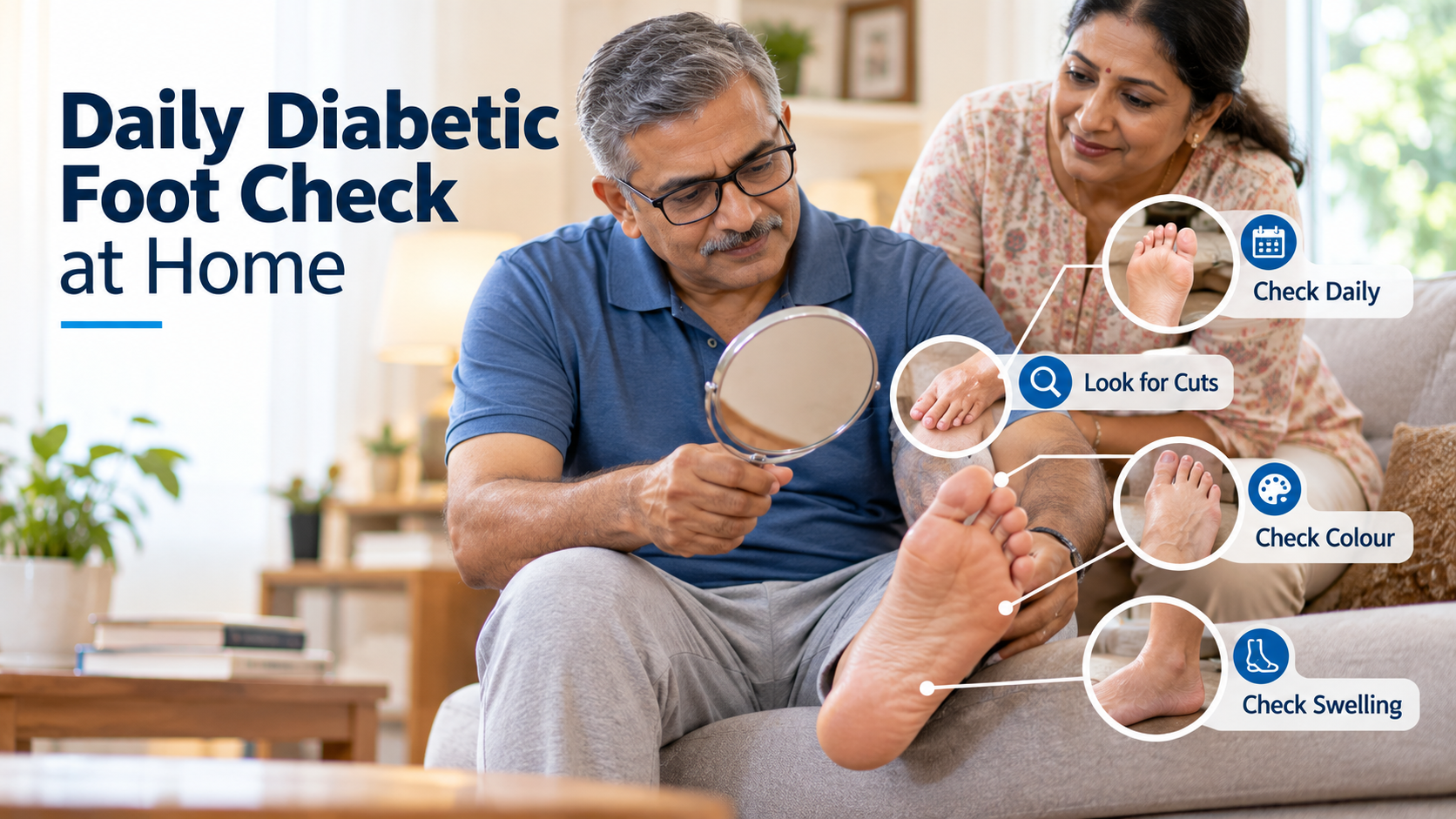
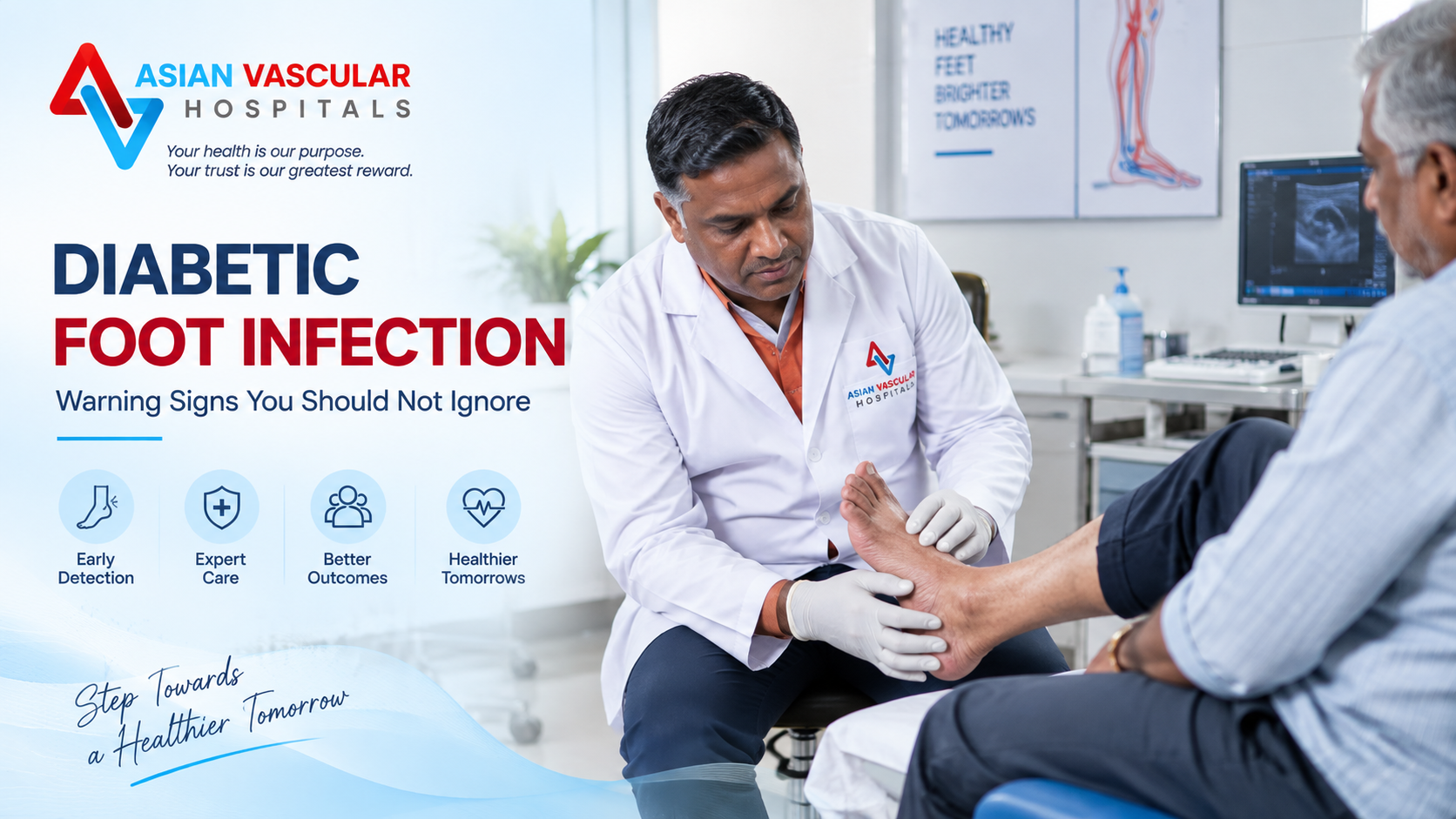
6. Don’t Ignore Foot Symptoms
Your feet often reveal circulation problems before the rest of the body.
Watch for:
⚠ Cold toes
⚠ Skin color changes
⚠ Delayed wound healing
⚠ Persistent numbness
These symptoms may indicate more than simple fatigue and deserve medical evaluation.
7. Compression Therapy May Help Certain Patients
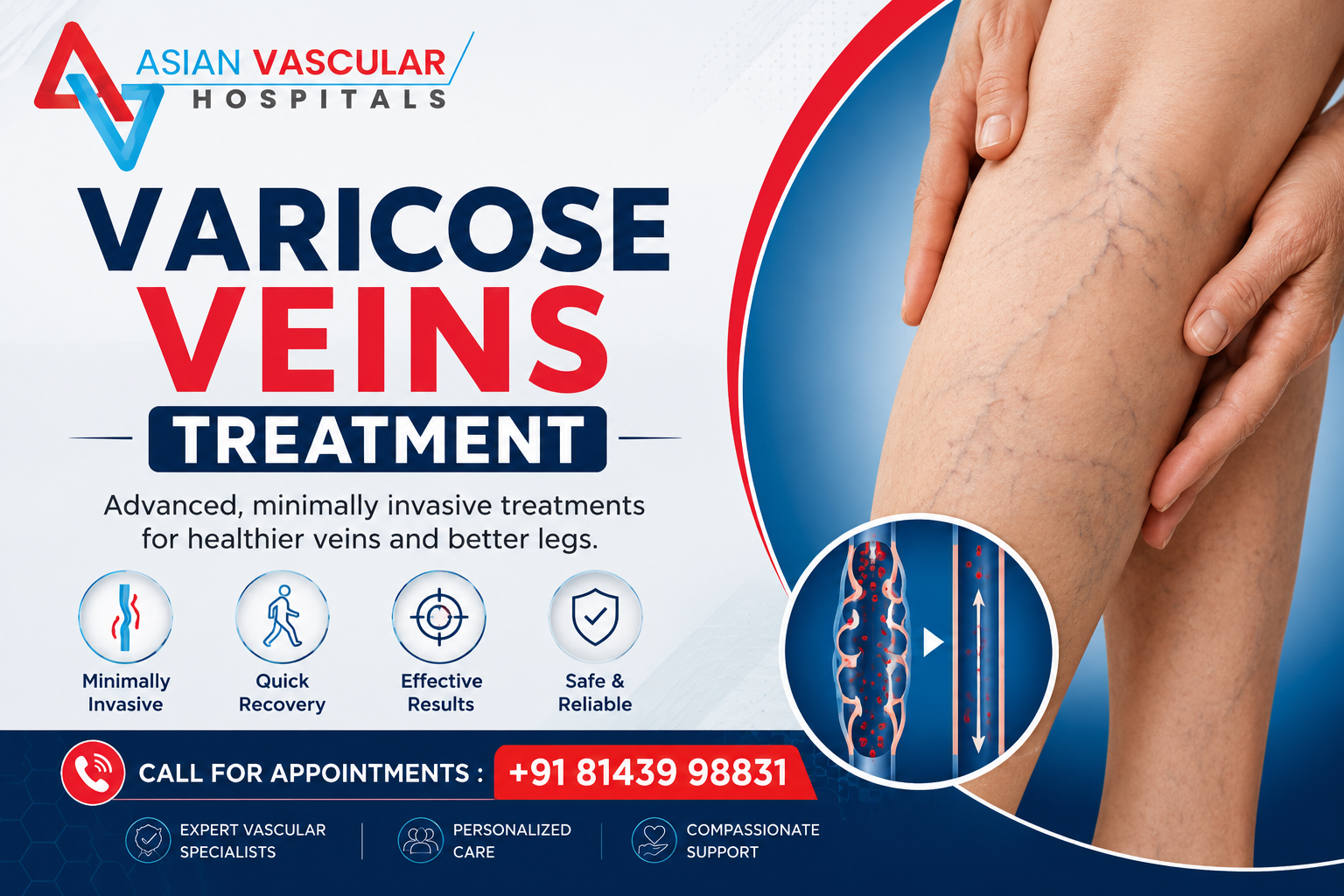
For patients with vein-related circulation issues, compression stockings can support blood flow.
Benefits may include:
- Reduced swelling
- Less leg fatigue
- Improved comfort during standing
However, not everyone should use compression therapy. A vascular assessment helps determine suitability.
8. Nutrition Matters for Blood Flow
Your arteries respond to what you eat every day.
Circulation-friendly foods include:
✔ Fruits
✔ Vegetables
✔ Whole grains
✔ Nuts and seeds
✔ Omega-3-rich foods
Healthy nutrition supports long-term vascular health and reduces plaque buildup inside arteries.
9. The Habit That Damages Circulation the Fastest
If there’s one lifestyle factor that consistently worsens circulation, it’s smoking.
Smoking:
- Narrows blood vessels
- Damages artery walls
- Reduces oxygen delivery
Quitting smoking is among the most impactful ways to improve blood circulation in legs and lower future vascular risks.
10. Know When Home Remedies Are No Longer Enough
While many poor circulation remedies help mild symptoms, some warning signs require specialist care.
Seek evaluation if you have:
🚨 Pain while walking
🚨 Foot ulcers
🚨 One leg colder than the other
🚨 Persistent numbness
🚨 Leg pain at rest
🚨 Non-healing wounds
These symptoms may indicate Peripheral Artery Disease (PAD) or another vascular condition.
A Vascular Specialist’s Perspective
Many patients spend months trying supplements, massages, and internet remedies before discovering that a blocked artery—not aging—is causing their symptoms.
The earlier circulation problems are diagnosed, the more treatment options are available.
That’s why persistent symptoms should never be ignored.
Better Circulation Starts with the Right Diagnosis
If you’re actively trying to improve blood circulation in legs but symptoms continue, a vascular evaluation can identify whether the issue is related to arteries, veins, or another circulation disorder.
Understanding the root cause is often the fastest path toward effective treatment.
📞 Advanced Circulation & Vascular Care in Hyderabad
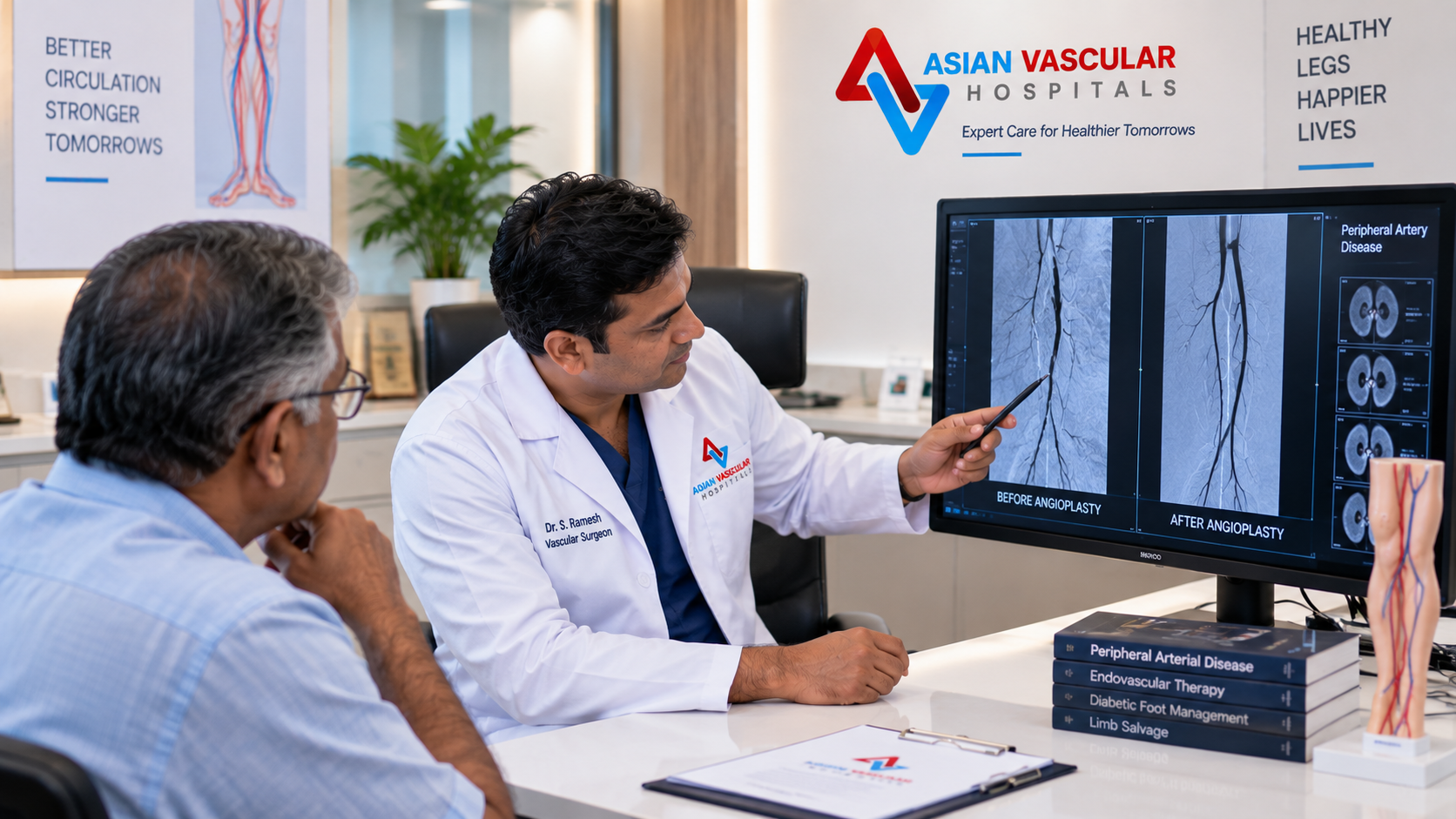
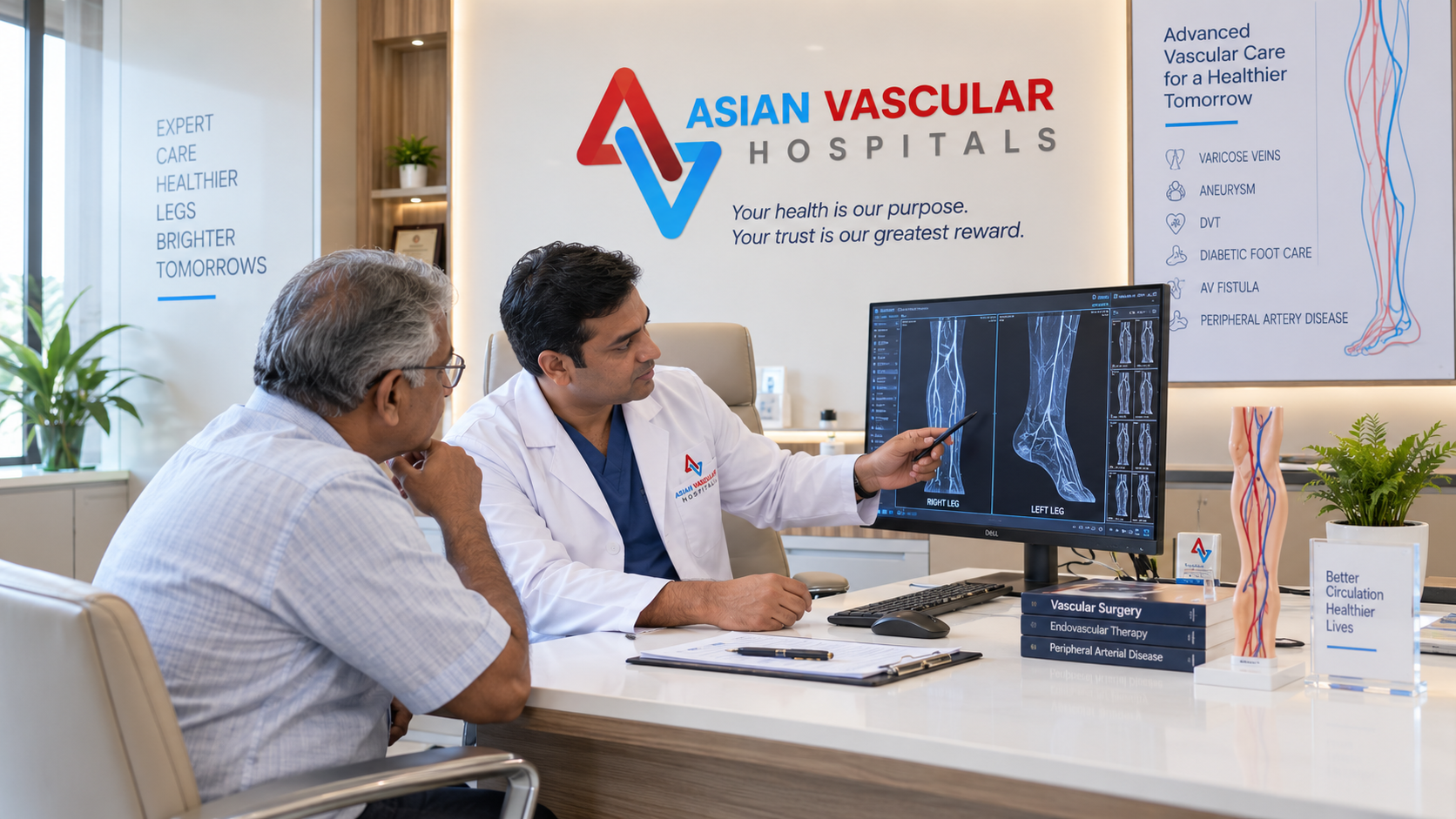
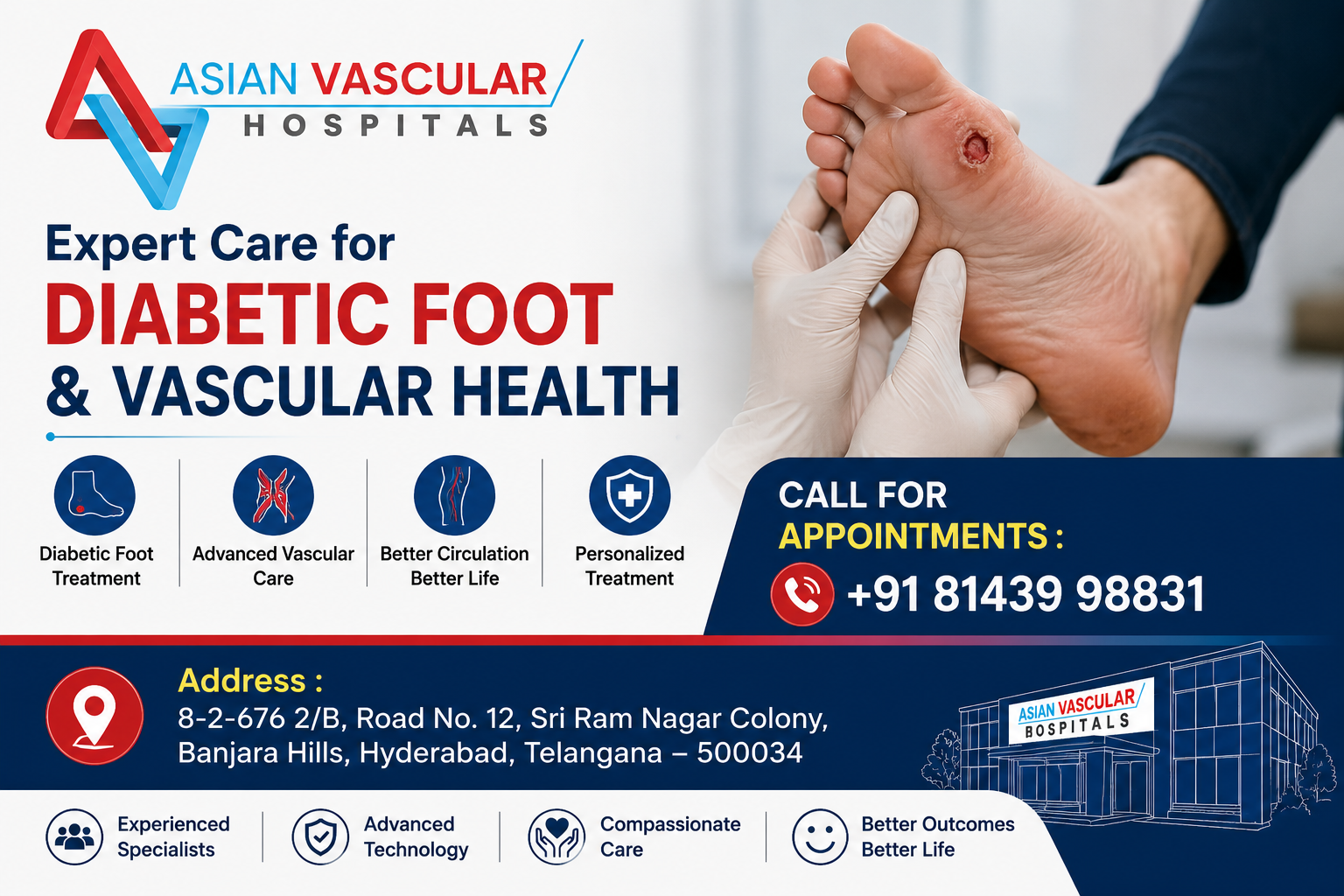
At Asian Vascular Hospitals, patients receive specialized evaluation for poor circulation, artery blockages, vein disorders, diabetic foot conditions, and PAD.
Led by Dr. G. V. Praveen Kumar, the hospital offers advanced diagnostics and minimally invasive vascular treatments designed to restore healthy blood flow and protect long-term mobility.
📞 Call Now: +91 81439 98831
🌐 Visit: asianvascularhospitals.com
🚑 24/7 Vascular Emergency Support Available
- All Post
- blog
Related posts:
 Vascular Surgeon Vijayawada – Advanced Care by Dr. G.V. Praveen Kumar
 Early Stage Diabetic Foot Ulcer – Catch It Before It Gets Serious
 🧠 Peripheral Neuropathy Test – Detect Nerve Damage Early & Protect Your Health
 Laser Treatment for Varicose Veins Near Me – Asian Vascular Hospitals
 🌟 Best Treatment for Peripheral Neuropathy – Asian Vascular Hospitals
 Vascular Surgeon in Medchal: Advanced Care for Healthy Circulation
 Diabetic Foot Shoes: Comfort & Protection for Every Step
 👣 Podiatrist Hyderabad – Expert Foot & Ankle Care at Asian Vascular Hospitals
One Response