

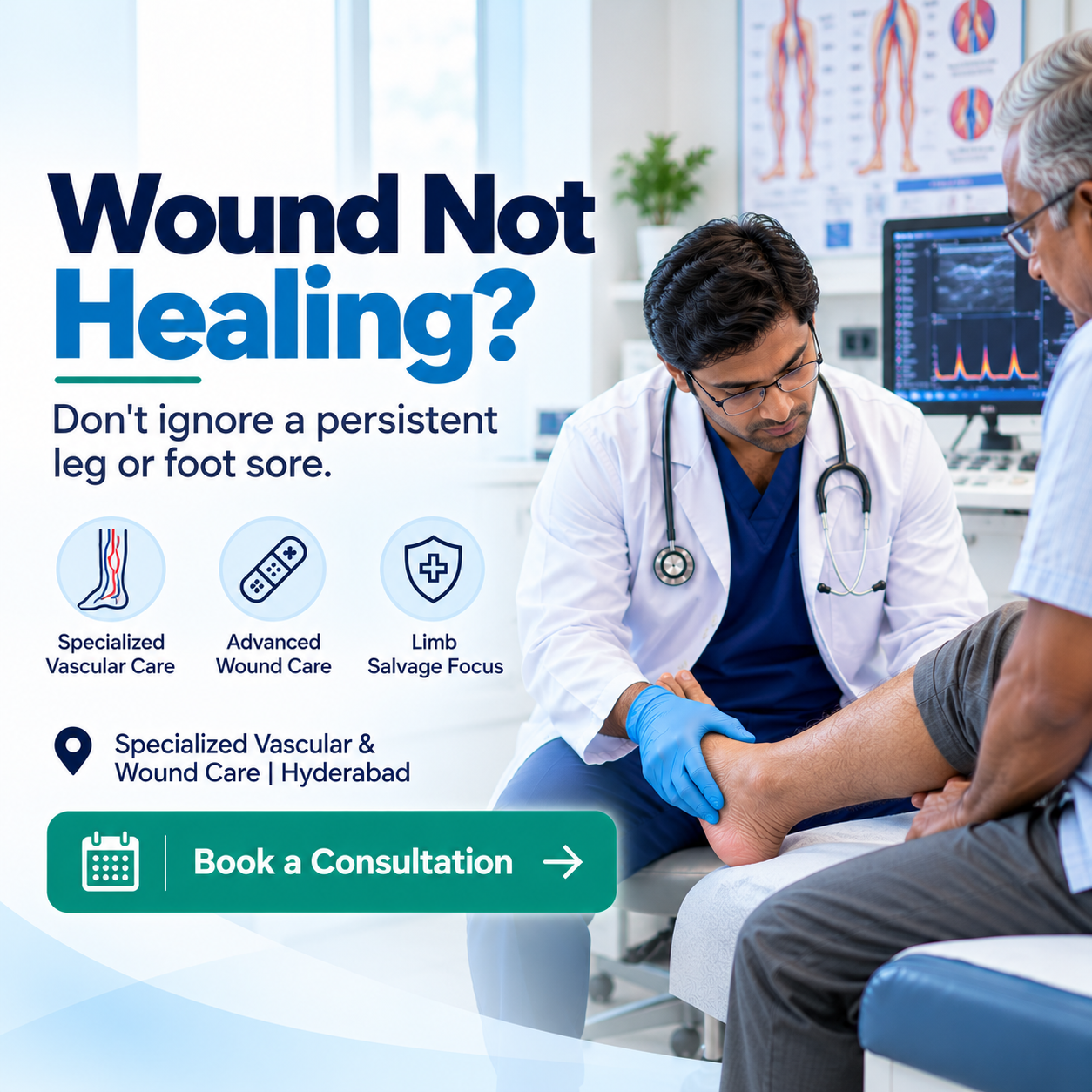
Medically reviewed by Dr. G.V. Praveen Kumar, MS, DNB (Vascular Surgery)
When you get a small cut or scrape, you usually clean it, apply an antiseptic, cover it with a bandage, and expect it to heal within a few days. But what happens when weeks pass and the wound remains open, starts leaking fluid, becomes more painful, or gradually grows deeper?
A wound that does not heal as expected may indicate an underlying problem that needs medical attention. Diabetes, poor blood circulation, venous disease, nerve damage, pressure, and infection can all interfere with normal healing.
If you are searching for a wound specialist doctor near me, you may already have tried regular dressing or consulted a general practitioner without seeing the improvement you expected. The next step may be a more detailed assessment to identify why the wound is not healing.
At Asian Vascular Hospitals in Banjara Hills, Hyderabad, vascular evaluation can help identify circulation-related causes of chronic wounds and determine whether specialized treatment is needed.
The key is to treat the cause of the wound—not just the skin opening.
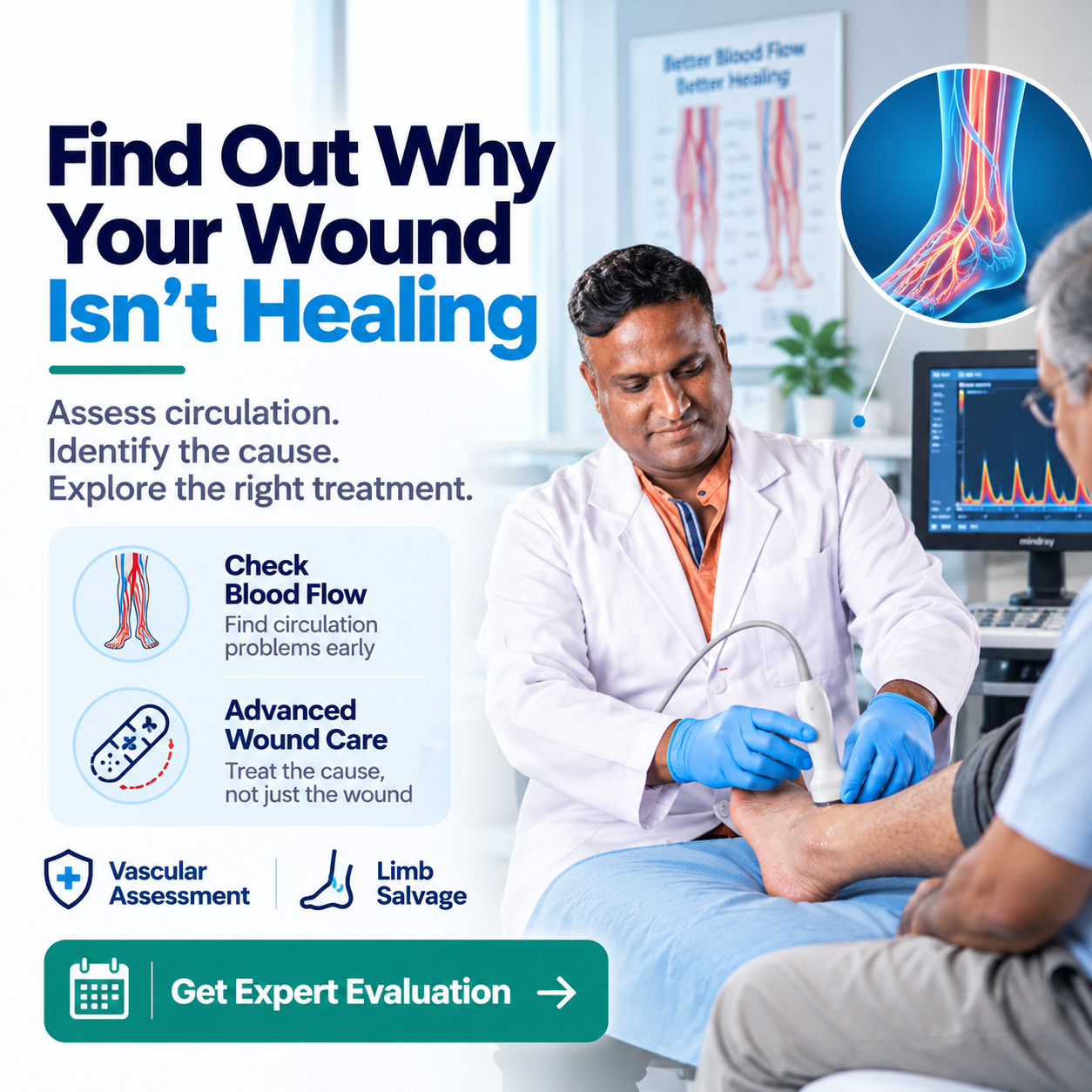
Primary Care Bandaging vs. Specialized Vascular Intervention
Basic wound care protects the damaged skin, but some chronic wounds require additional treatment for poor circulation, infection, pressure, or nerve damage. The appropriate treatment depends on the wound’s cause, depth, location, and severity.
What can general wound care do?
For a straightforward wound, a primary care doctor may clean the affected area, recommend an appropriate dressing, assess infection risk, and advise on routine care.
Depending on the wound, treatment may include:
- Cleaning and protecting the wound
- Applying appropriate dressings
- Evaluating signs of infection
- Prescribing antibiotics when a bacterial infection requires them
- Advising on pressure reduction and wound protection
- Monitoring the wound for signs of healing
These measures are important and may be sufficient for many minor injuries.
However, a wound that repeatedly opens or remains unchanged despite appropriate care needs reassessment.
Why might a chronic wound fail to heal?
A wound can remain open when the conditions required for tissue repair are not present.
Common contributing factors include:
- Poor arterial circulation: Blocked or narrowed arteries reduce the delivery of oxygen-rich blood to the tissues.
- Chronic venous insufficiency: Impaired blood return can cause swelling, skin changes, and venous ulcers.
- Diabetes: Neuropathy, circulation problems, and increased infection risk can complicate healing.
- Repeated pressure: Pressure from walking, footwear, or prolonged positioning can prevent a wound from closing.
- Infection: Bacteria can damage tissue and delay recovery.
- Other medical conditions: Certain inflammatory disorders, nutritional deficiencies, medications, and systemic illnesses can also affect healing.
A surface dressing cannot independently correct a severely blocked artery or resolve every underlying cause. That is why persistent wounds need a cause-focused assessment.
Signs Your Leg or Foot Sore Requires Prompt Medical Attention
A wound that is not improving, is getting larger, or shows signs of infection should be assessed by a healthcare professional. Certain symptoms require urgent or emergency evaluation.
Do not wait for a wound to become severe before seeking help.
1. The wound is not improving
If a wound has shown little or no healing progress over two to three weeks, arrange a medical assessment. This timeframe is a practical warning point, not a reason to delay care when other concerning symptoms are present.
People with diabetes or known circulation problems should seek advice sooner.
2. Redness, warmth, swelling, or discharge develops
These changes may indicate infection, especially when they are increasing or spreading.
Watch for:
- Spreading redness
- Increasing warmth or swelling
- Pus or cloudy discharge
- A strong unpleasant smell
- Increasing tenderness
- Fever or chills
A rapidly spreading infection or symptoms suggesting systemic illness require urgent medical attention.
3. The skin changes colour
Dark purple, grey, or black tissue may indicate significant tissue damage. A pale, cold foot or sudden colour change can also suggest a serious circulation problem.
Seek emergency assessment for a suddenly cold, pale, blue, or severely painful foot, particularly if the change is new. Do not wait for a routine appointment.
4. You experience numbness or deep pain
Numbness may indicate nerve damage, while severe or persistent pain can be associated with infection or impaired circulation.
A lack of pain does not guarantee that a wound is minor. People with diabetic neuropathy may have serious foot injuries without feeling them.
5. You have diabetes and an open foot wound
Any new diabetic foot ulcer deserves prompt professional assessment, even if it appears small or painless.
If there is spreading redness, pus, black tissue, fever, or a cold or discoloured foot, seek urgent medical care.
Why a Vascular Surgeon Can Be Important in Chronic Wound Care
A vascular surgeon is particularly important when a chronic wound may be caused or worsened by blocked arteries, impaired venous circulation, or other vascular conditions. Not every wound requires vascular surgery, but circulation must be considered when clinical findings suggest a vascular problem.
Blood circulation is essential for delivering oxygen and nutrients to damaged tissue. When arterial blood flow is inadequate, a wound may struggle to heal despite appropriate dressing and infection management.
How poor arterial circulation affects wounds
Peripheral artery disease (PAD) occurs when arteries supplying the legs become narrowed or blocked, commonly due to atherosclerosis.
Possible signs include:
- Pain in the legs while walking
- Foot pain at rest in advanced disease
- Cold feet
- Reduced pulses
- Colour changes
- Wounds on the toes, feet, or legs that do not heal
A vascular specialist can evaluate whether arterial disease is contributing to the wound and whether additional testing or treatment is needed.
How venous disease affects wounds
Chronic venous insufficiency occurs when blood does not return efficiently from the lower legs toward the heart. This can cause persistent swelling, skin discoloration, and ulcers, often around the ankle.
Treatment may involve compression therapy when appropriate, wound care, and procedures to address abnormal venous reflux.
Compression should not be started indiscriminately in someone with a leg ulcer. Arterial circulation may need assessment first, particularly when PAD is suspected.
What diagnostic tests may be needed?
Depending on the clinical findings, the specialist may recommend:
- Doppler ultrasound: Evaluates blood flow through arteries and veins.
- Ankle-brachial index (ABI): Compares ankle and arm blood pressure to help assess arterial circulation.
- Toe pressure testing: May provide additional information when standard measurements are less reliable, including in some people with diabetes.
- Vascular imaging: Helps map arterial narrowing or blockages when further investigation is required.
- Wound assessment: Determines the wound’s depth, surrounding tissue condition, and possible infection.
These investigations help the treating team select an appropriate treatment plan.
Advanced Chronic Wound Care at Asian Vascular Hospitals, Hyderabad
Advanced chronic wound care focuses on the cause of delayed healing and combines appropriate wound management with treatment of circulation problems when necessary. The exact approach depends on the patient’s diagnosis and overall health.
Asian Vascular Hospitals in Banjara Hills provides vascular and endovascular care for conditions including peripheral artery disease, diabetic foot ulcers, and circulation-related wound complications.
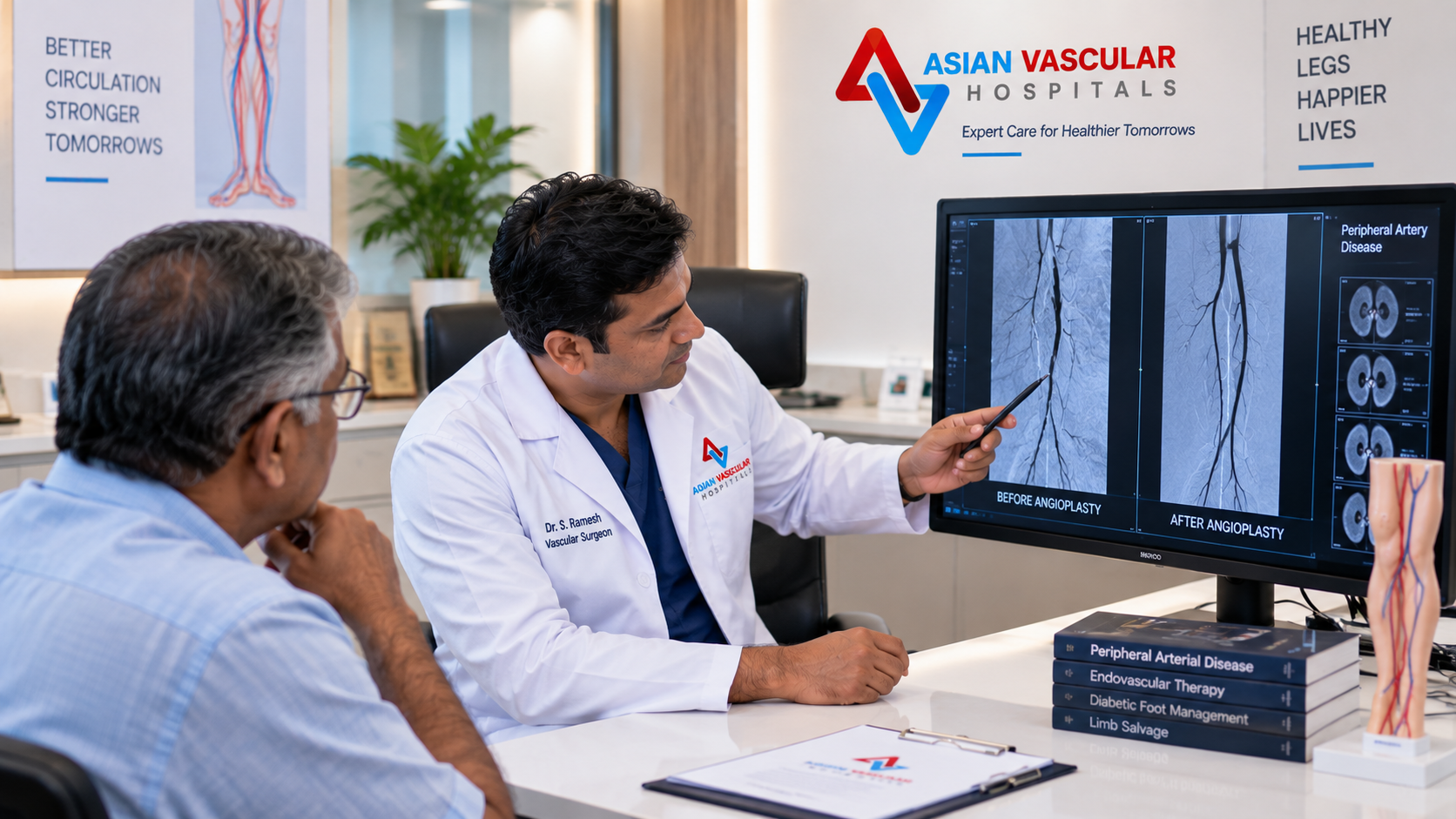
1. Angioplasty to improve blood flow
When a significant arterial blockage is preventing adequate blood supply to the foot or leg, angioplasty may be considered.
During this minimally invasive procedure, a catheter is guided to the narrowed artery. A balloon is used to widen the affected section, and a stent may be placed in selected cases.
The goal is to improve circulation to the affected tissues.
Not every chronic wound requires angioplasty. The decision depends on the severity and location of arterial disease, the wound, imaging findings, and the patient’s overall condition.
2. Debridement and wound management
Debridement involves removing dead or unhealthy tissue when clinically indicated. This may help the medical team assess the wound and manage damaged tissue.
Depending on the wound, care may include:
- Appropriate dressings
- Removal of non-viable tissue when indicated
- Drainage of an abscess when necessary
- Infection assessment and treatment
- Pressure relief or offloading
- Regular monitoring of wound progress
The decision to perform debridement requires clinical judgment, particularly when severe arterial insufficiency is suspected.
3. Treatment of venous disease
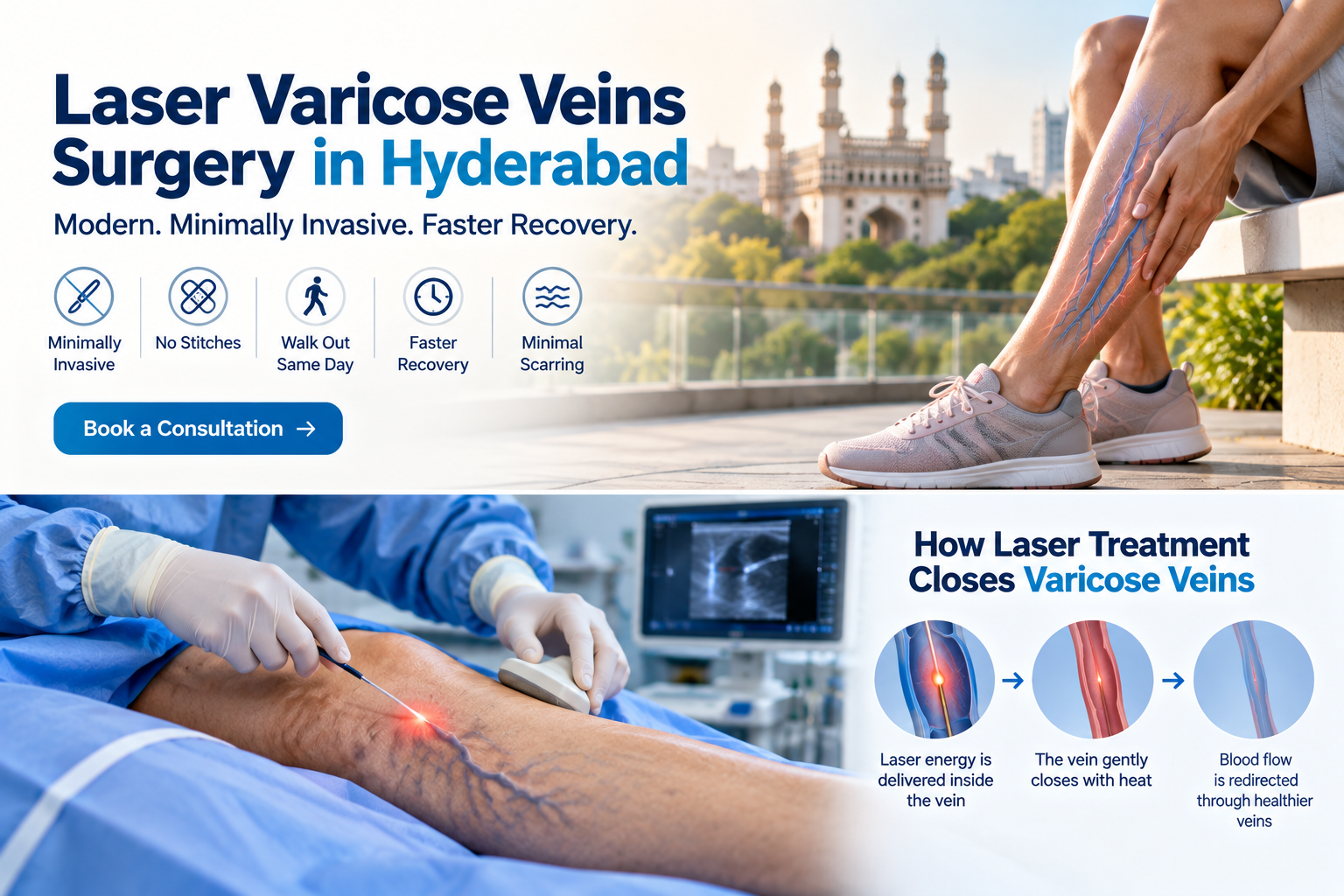
When venous reflux contributes to a chronic ulcer, treatment may include compression after appropriate arterial assessment and procedures such as endovenous laser treatment or radiofrequency ablation in suitable patients.
Addressing the underlying venous problem can be an important part of reducing persistent venous pressure and supporting healing.
4. Limb-salvage care
Limb salvage refers to treatment strategies intended to preserve a functional limb when severe infection, tissue damage, or inadequate blood supply threatens it.
Depending on the situation, care may involve:
- Restoring blood flow when appropriate
- Controlling infection
- Removing non-viable tissue when indicated
- Relieving pressure on the affected area
- Managing the wound
- Monitoring healing and circulation
Limb salvage is not guaranteed, and some severe cases still require amputation. However, early assessment can help the medical team identify potentially treatable problems before further damage occurs.
Finding a Vascular and Wound Surgeon in Hyderabad
When searching for a wound doctor near me, look for a clinician whose expertise matches the likely cause of your wound. A vascular surgeon is particularly relevant when the wound is associated with diabetes, poor circulation, arterial disease, venous ulcers, or possible limb-threatening complications.
Consider the following when choosing a specialist:
- Experience evaluating chronic leg and foot wounds
- Ability to assess arterial and venous circulation
- Access to appropriate vascular diagnostic tests
- Treatment options for underlying vascular disease
- Coordination of wound care, infection management, and pressure relief
- Clear follow-up plans and guidance on warning signs
Why consider Asian Vascular Hospitals?
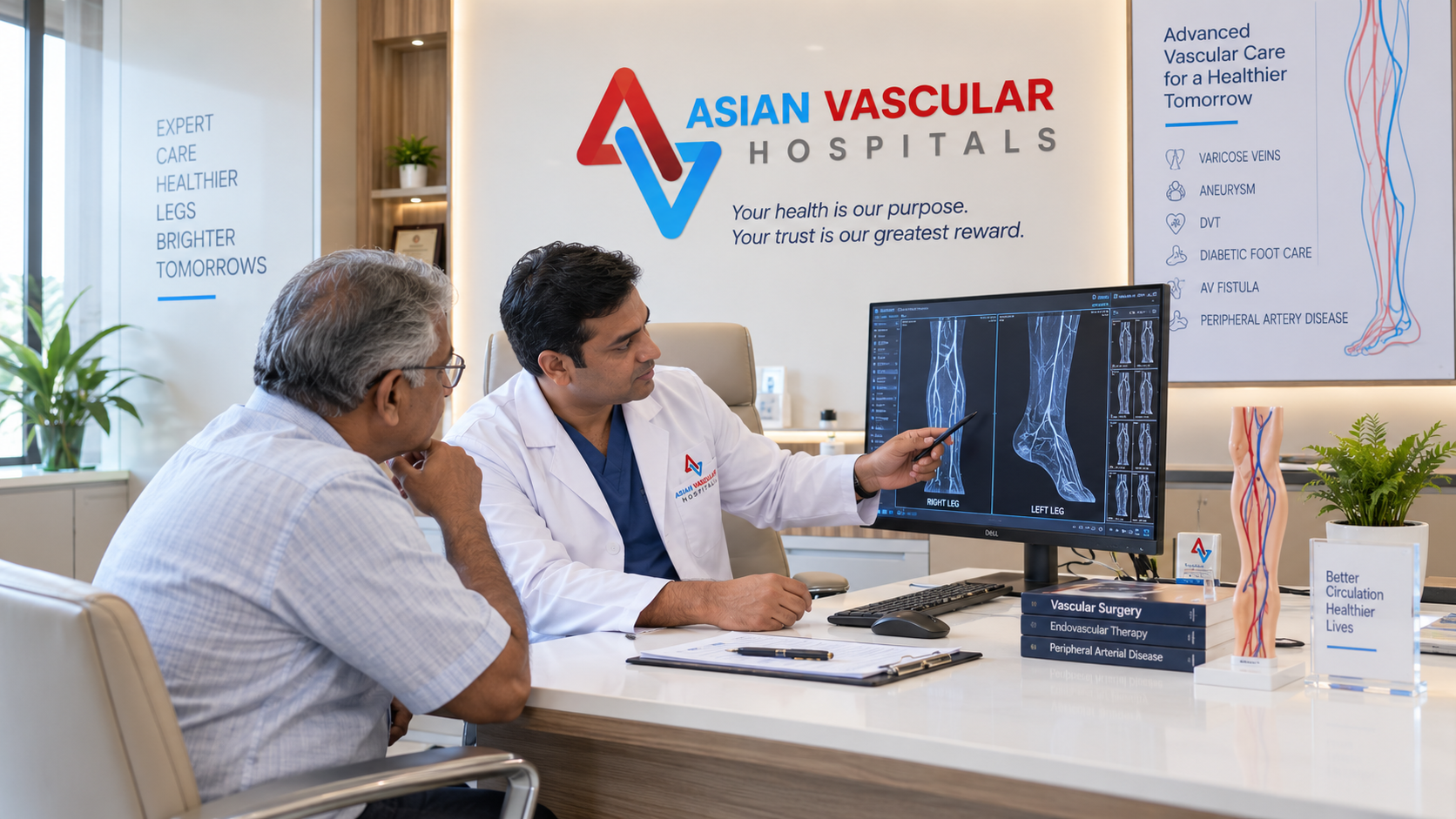
Asian Vascular Hospitals is located in Banjara Hills, Hyderabad, and provides vascular and endovascular care under Dr. G.V. Praveen Kumar, MS, DNB (Vascular Surgery).
The hospital’s stated services include diabetic foot ulcer care, peripheral artery disease management, vascular procedures, wound healing, and limb-salvage care.
Dr. G.V. Praveen Kumar has more than 20 years of vascular experience and has been involved in more than 30,000 vascular procedures.
These credentials provide relevant context, but the appropriate treatment still depends on an individual examination and diagnostic findings.
When Should You Book a Wound Specialist Appointment?
Arrange an assessment if your wound is not progressing toward healing, repeatedly reopens, or continues to drain despite appropriate care. Seek urgent medical help for signs of infection or compromised circulation.
Do not wait for a small ulcer to become a deep wound.
If you have diabetes, known PAD, varicose veins with skin changes, or a history of chronic ulcers, mention this when arranging your appointment.
Looking for an advanced chronic wound care clinic in Hyderabad?
Asian Vascular Hospitals is located at:
Address: 8-2-676 2/B, Road No. 12, Sri Ram Nagar Colony, Banjara Hills, Hyderabad, Telangana – 500034
Appointments: +91 81439 98831
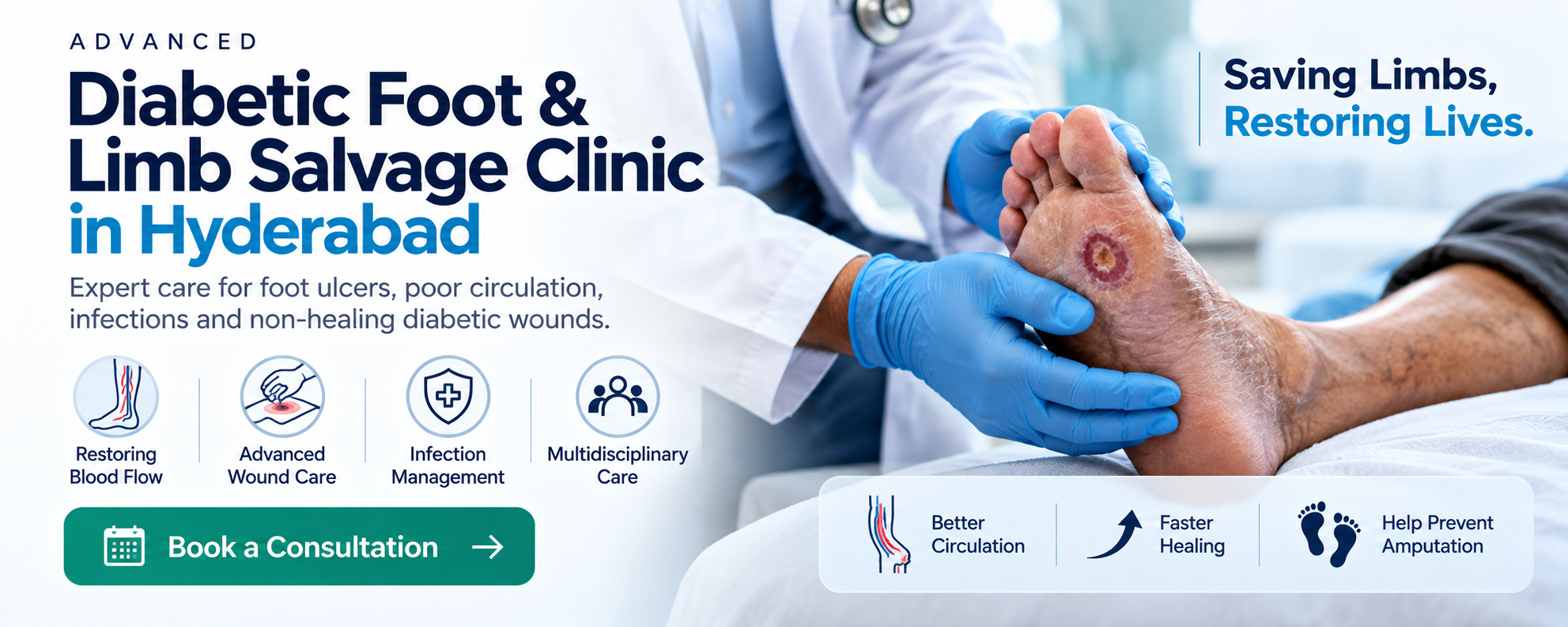
Learn more about Advanced Wound Care & Diabetic Foot Treatment in Hyderabad.
If your foot suddenly becomes cold, pale or blue, or you have rapidly spreading infection, severe pain, or signs of systemic illness, seek emergency care rather than waiting for a scheduled consultation.
Frequently Asked Questions
- All Post
- blog

Related posts:
 Trusted Vascular Hospital in Hyderabad: Where Advanced Care Meets Compassion
 Best Vascular Surgeon Near Me – Expert Care at Asian Vascular Hospitals
 Surgical Treatment for Varicose Veins – Walk Pain-Free Again
 Peripheral Neuropathy Doctors Near Me: How to Find the Right Specialist
 Best Vascular Surgeon in Warangal: Advanced Vascular Care You Can Trust
 Vascular Surgeon in Vikarabad: Advanced Care for Vein & Artery Health
 👣 Diabetic Foot Ulcer Treatment – Save Limbs with Expert Care at Asian Vascular Hospitals
 👣 Foot Specialist Doctor in Hyderabad – Expert Foot & Vascular Care at Asian Vascular Hospitals