

Diabetic Foot Risks That Need Specialist Attention
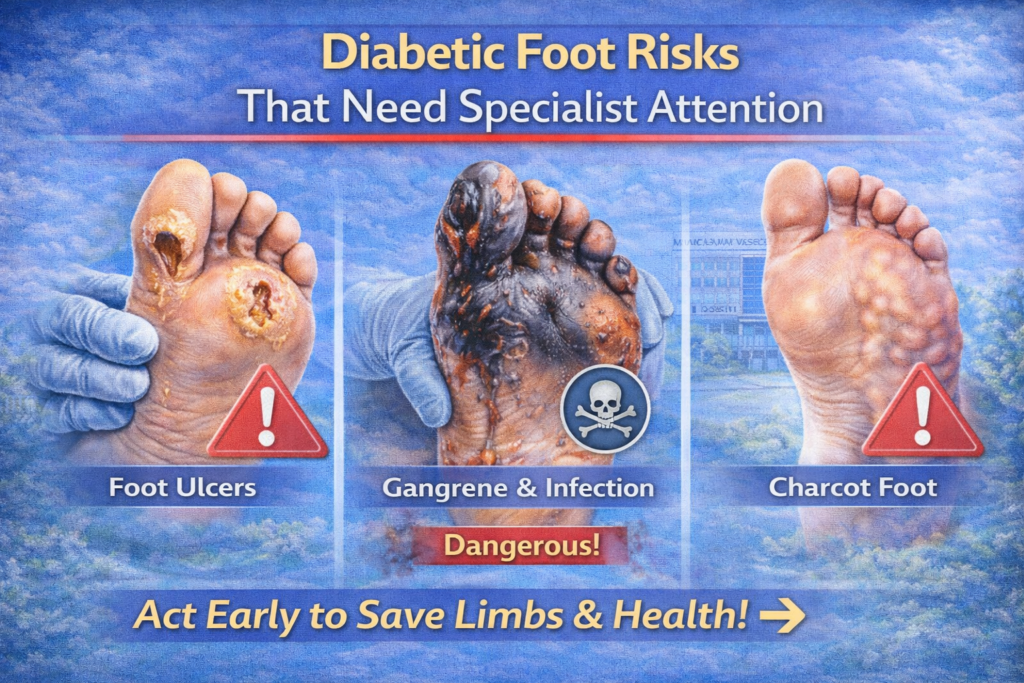
Diabetes affects blood circulation and nerve health, especially in the feet. What starts as mild numbness or a small blister can quickly become serious. Recognizing diabetic foot risk signs early is critical to preventing infection, ulcers, and even amputation. If you notice changes in your feet, consulting the best podiatrist in hyderabad can make a life-changing difference. Why Diabetic Feet Are More Vulnerable High blood sugar damages nerves (neuropathy) and reduces blood flow. This combination means injuries may go unnoticed and heal slowly. Many patients only seek help after complications develop, even though early diabetic foot risk signs were present. A consultation with the best podiatrist in hyderabad ensures early detection and preventive treatment. Major Diabetic Foot Risk Signs to Watch 1. Numbness or Tingling Loss of sensation is one of the earliest diabetic foot risk signs. When nerves are damaged, you may not feel cuts, pressure, or burns. The best podiatrist in hyderabad can perform sensory testing to assess nerve health. 2. Non-Healing Wounds Any wound that does not improve within 7–10 days is a serious warning sign. Poor circulation slows healing, increasing infection risk. Immediate evaluation by the best podiatrist in hyderabad is essential if ulcers develop. 3. Skin Color Changes Dark patches, redness, or pale areas may indicate circulation problems. These visible changes are important diabetic foot risk signs that require urgent medical review. A trained best podiatrist in hyderabad specialist can determine whether vascular testing is needed. 4. Swelling or Warmth Localized swelling, warmth, or redness can indicate infection or inflammation. Early treatment prevents worsening tissue damage. The best podiatrist in hyderabad may recommend wound care and imaging tests when required. 5. Thickened Skin, Corns, or Calluses In diabetic patients, corns and calluses can hide underlying ulcers. These are often overlooked diabetic foot risk signs. Professional trimming by the best podiatrist in hyderabad prevents accidental injury and infection. 6. Foot Deformities Changes in foot shape, bunions, or collapsed arches increase pressure points. Structural changes combined with diabetes significantly increase complication risk. Regular visits to the best podiatrist in hyderabad help manage these issues early. Why Early Specialist Care Matters Ignoring early diabetic foot risk signs can lead to: Deep infections Gangrene Hospitalization Amputation Preventive screening with the best podiatrist in hyderabad includes circulation checks, nerve assessment, pressure analysis, and wound monitoring. Early intervention dramatically improves limb preservation outcomes. When to Seek Immediate Care Contact the best podiatrist in hyderabad urgently if you notice: Open sores Pus or discharge Blackened skin Severe swelling Sudden increase in pain These advanced diabetic foot risk signs require immediate medical attention. Expert Diabetic Foot Care in Hyderabad For comprehensive diabetic foot screening and advanced vascular support, patients can consult specialists at Asian Vascular Hospitals, offering structured diabetic foot management and limb-salvage care. 📞 Call: +91 81439 98831 🌐 Visit: asianvascularhospitals.com 🚑 24/7 emergency vascular care available Final Takeaway Recognizing diabetic foot risk signs early can prevent serious and irreversible damage. Regular monitoring and timely consultation with the best podiatrist in hyderabad ensure safe management, faster healing, and long-term foot protection for diabetic patients. Recent Posts All Post blog Diabetic Foot Risks That Need Specialist Attention Corns and Calluses — When Home Care Is Not Enough Vascular Surgery for Diabetic Patients: What You Should Know Varicose Veins Treatment Based on Vein Size: What Works Best? Ambulatory Phlebectomy: A Targeted Treatment for Bulging Varicose Veins Diagnostic Tests Before Vascular Surgery: Doppler, Angiography & More Vascular Surgery vs Medication: How Doctors Decide the Right Treatment Sclerotherapy for Varicose and Spider Veins: Treatment & Results Heel Pain Causes and Modern Treatment Options Vascular Conditions That May Require Surgical Treatment
Corns and Calluses — When Home Care Is Not Enough

Corns and calluses are common foot conditions caused by repeated friction or pressure. While many people try home remedies first, some cases require professional evaluation. Understanding when corn and callus medical treatment is necessary can prevent infection, pain, and long-term complications. If symptoms persist, consulting a podiatrist in hyderabad is the safest step toward proper healing. What Are Corns and Calluses? Corns are small, thickened areas of skin that usually develop on toes, while calluses are larger patches that form on the soles or heels. Both develop as protective responses to pressure. However, when these thickened areas become painful or inflamed, corn and callus medical treatment may be required — especially for individuals with diabetes or circulation issues. A podiatrist in hyderabad can determine whether the thickened skin is simple friction buildup or something more serious. When Home Remedies Are Not Enough Many people use pumice stones, medicated pads, or over-the-counter creams. But these methods are not always safe. You should seek corn and callus medical treatment if you notice: Persistent pain while walking Redness or swelling Discharge or signs of infection Bleeding from the thickened skin Recurring corns despite home care A qualified podiatrist in hyderabad can safely remove hardened skin without damaging healthy tissue. Why Professional Treatment Is Safer Improper trimming at home can lead to cuts and infection. This is particularly dangerous for diabetic patients. A podiatrist in hyderabad performs sterile debridement using specialized instruments, ensuring safe and controlled removal. Professional corn and callus medical treatment may include: Mechanical debridement Custom orthotics to reduce pressure Footwear modification guidance Padding techniques Evaluation for underlying deformities A podiatrist in hyderabad also checks for structural problems like bunions or hammertoes that may be causing repeated friction. Special Concern: Diabetic Patients For individuals with diabetes, even minor foot problems can escalate quickly. Delayed corn and callus medical treatment may increase the risk of ulcers or infection. Regular check-ups with a podiatrist in hyderabad help prevent serious complications and ensure proper wound monitoring. Preventing Recurrence After receiving corn and callus medical treatment, long-term prevention is essential. A podiatrist in hyderabad may recommend: Properly fitted footwear Silicone toe separators Pressure offloading insoles Regular foot hygiene Periodic professional trimming Addressing the root cause prevents repeated thickening of the skin. When to Book an Appointment Consult a podiatrist in hyderabad immediately if: Pain interferes with daily activity The corn becomes inflamed You have diabetes or poor circulation Home treatment has failed Timely corn and callus medical treatment ensures safe removal and prevents complications. Expert Foot Care in Hyderabad For professional evaluation and safe foot procedures, patients can consult specialists at Asian Vascular Hospitals, offering comprehensive vascular and foot care services. 📞 Call: +91 81439 98831 🌐 Visit: asianvascularhospitals.com 🚑 24/7 emergency vascular care available Final Takeaway While mild corns and calluses may respond to basic care, persistent or painful cases require proper corn and callus medical treatment. Early consultation with a trusted podiatrist in hyderabad ensures safe management, prevents infection, and keeps your feet healthy long-term. Recent Posts All Post blog Varicose Veins Treatment Based on Vein Size: What Works Best? Ambulatory Phlebectomy: A Targeted Treatment for Bulging Varicose Veins Diagnostic Tests Before Vascular Surgery: Doppler, Angiography & More Vascular Surgery vs Medication: How Doctors Decide the Right Treatment Sclerotherapy for Varicose and Spider Veins: Treatment & Results Heel Pain Causes and Modern Treatment Options Vascular Conditions That May Require Surgical Treatment EVLT vs RFA: Which Is the Best Treatment for Varicose… When Is Vascular Surgery Required? Symptoms You Should Not Ignore When Foot Pain Is a Warning Sign — Not Just…
Vascular Surgery for Diabetic Patients: What You Should Know
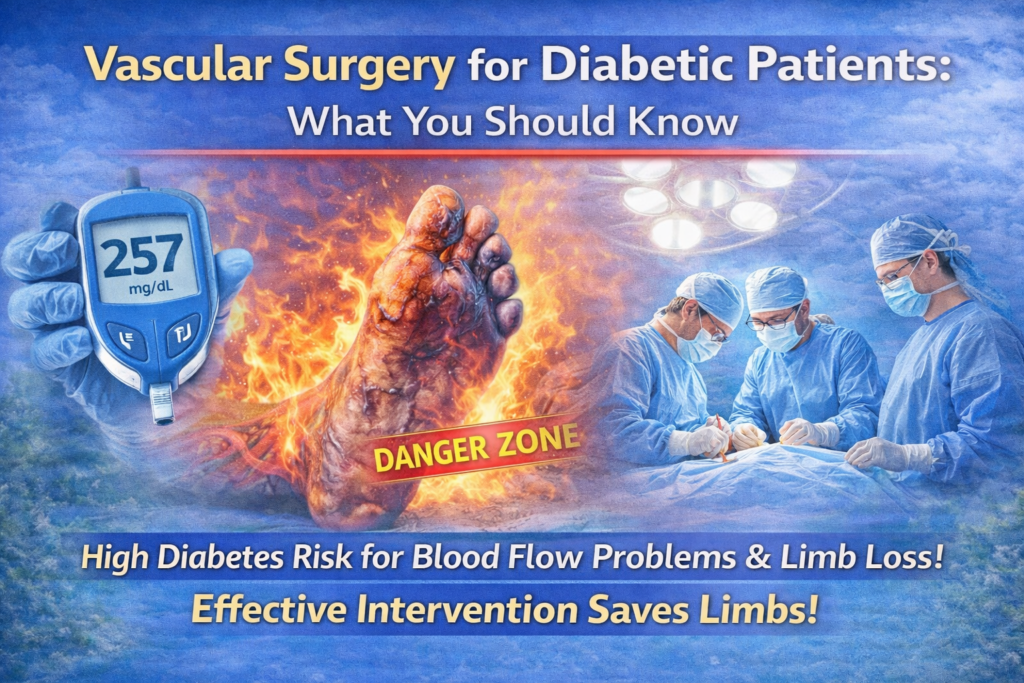
Diabetes significantly increases the risk of circulation problems, especially in the legs and feet. Over time, high blood sugar damages blood vessels and nerves, leading many people to require vascular surgery for diabetic patients when blood flow becomes severely compromised. Specialists providing vascular surgery hyderabad services frequently treat diabetes-related vascular complications, focusing on early intervention and limb preservation. Why Diabetes Increases Vascular Risk Diabetic patients are more prone to: Peripheral artery disease (PAD) Non-healing foot ulcers Gangrene Nerve damage (neuropathy) Increased infection risk When blood flow to the legs is reduced, wounds do not heal properly. At this stage, vascular surgery for diabetic patients may be necessary to restore circulation and prevent amputation. Advanced vascular surgery hyderabad centers use modern diagnostic tools to detect circulation problems early. When Is Vascular Surgery Needed in Diabetic Patients? Not all diabetic patients require procedures. Doctors consider vascular surgery for diabetic patients when: Foot ulcers fail to heal Rest pain develops in legs or feet Tissue begins to darken or die Blood flow is critically reduced on Doppler tests In such cases, delaying vascular surgery hyderabad intervention can increase the risk of limb loss. Types of Procedures Commonly Performed Depending on severity, vascular surgery for diabetic patients may include: Angioplasty and Stenting A minimally invasive procedure where blocked arteries are widened using a balloon and supported with a stent. Many vascular surgery hyderabad specialists prefer this method for quicker recovery. Bypass Surgery In advanced cases, surgeons create a new pathway for blood flow around blocked arteries. This form of vascular surgery for diabetic patients is considered when blockages are extensive. Hybrid Limb-Salvage Procedures Modern vascular surgery hyderabad facilities often combine open and endovascular techniques to maximize limb preservation. Risks and Safety Considerations Diabetic patients may have additional health challenges such as kidney disease or heart issues. That’s why experienced vascular surgery hyderabad teams perform comprehensive evaluations before recommending intervention. Despite higher risks, properly planned vascular surgery for diabetic patients significantly reduces the chance of amputation and improves quality of life. Importance of Early Detection Early screening can often prevent the need for major vascular surgery for diabetic patients. Regular vascular check-ups, especially for those with long-standing diabetes, allow doctors to intervene before severe blockage develops. If symptoms like numbness, cold feet, or non-healing wounds appear, consulting a vascular surgery hyderabad specialist promptly is critical. Expert Diabetic Vascular Care in Hyderabad For advanced limb-salvage and diabetic vascular management, patients can consult specialists at Asian Vascular Hospitals, offering comprehensive diagnostics and minimally invasive procedures tailored for high-risk diabetic patients. 📞 Call: +91 81439 98831🌐 Visit: asianvascularhospitals.com🚑 24/7 emergency vascular care available Final Takeaway Diabetes increases the likelihood of serious circulation problems. Timely evaluation and appropriate vascular surgery for diabetic patients can prevent life-altering complications. Seeking early consultation at a trusted vascular surgery hyderabad center ensures better outcomes and improved long-term vascular health. Recent Posts All Post blog Corns and Calluses — When Home Care Is Not Enough Vascular Surgery for Diabetic Patients: What You Should Know Varicose Veins Treatment Based on Vein Size: What Works Best? Ambulatory Phlebectomy: A Targeted Treatment for Bulging Varicose Veins Diagnostic Tests Before Vascular Surgery: Doppler, Angiography & More Vascular Surgery vs Medication: How Doctors Decide the Right Treatment Sclerotherapy for Varicose and Spider Veins: Treatment & Results Heel Pain Causes and Modern Treatment Options Vascular Conditions That May Require Surgical Treatment EVLT vs RFA: Which Is the Best Treatment for Varicose…
Varicose Veins Treatment Based on Vein Size: What Works Best?
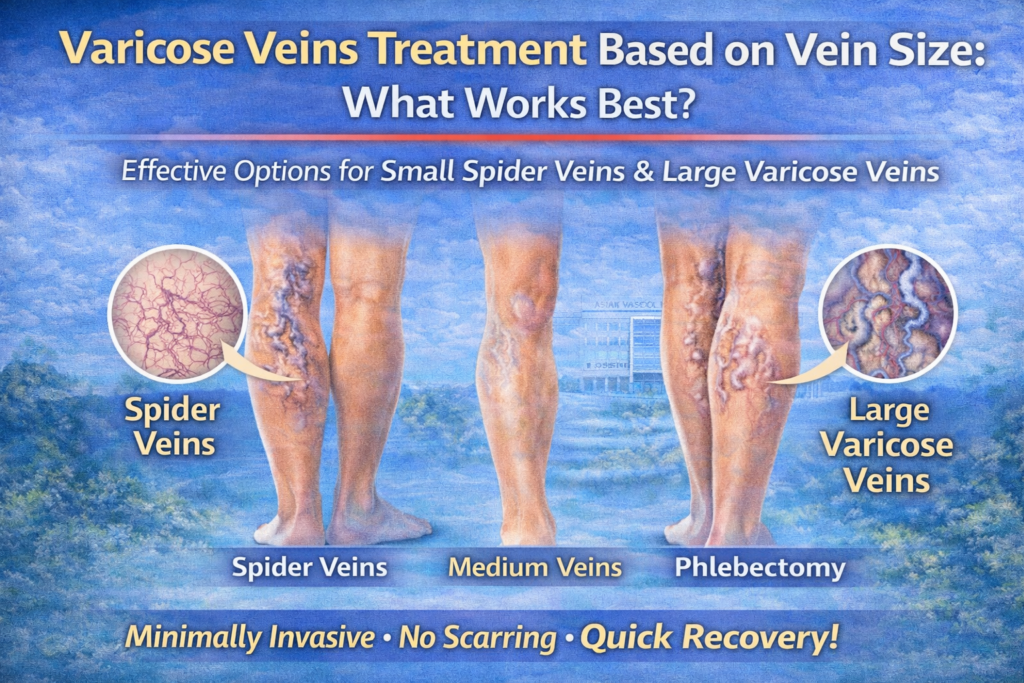
Not all varicose veins are the same. Some appear as thin spider veins, while others become large, bulging, rope-like veins. That’s why varicose veins treatment based on vein size is essential for achieving safe and long-lasting results. Modern vascular care focuses on personalized vein treatment rather than a one-size-fits-all approach. The best treatment for varicose veins always depends on proper diagnosis and vein mapping. Why Vein Size Matters The size and depth of the affected vein determine: Type of procedure required Energy source used (laser, radiofrequency, injection) Recovery time Risk of recurrence When planning varicose veins treatment based on vein size, doctors perform a Doppler scan to evaluate blood flow and identify reflux (backward flow). This ensures personalized vein treatment rather than cosmetic-only correction. Ignoring vein size can lead to incomplete treatment and recurrence. Treatments for Small Veins Small veins include spider veins and thin surface varicosities. In cases of small vs large varicose veins, small veins are usually treated with minimally invasive options. Sclerotherapy This injection-based procedure is ideal for small surface veins. It collapses the vein and gradually fades its appearance. Foam Sclerotherapy Used when slightly larger small veins require better medication contact. For small vs large varicose veins, injections are typically preferred for cosmetic areas and mild symptoms. These procedures are examples of personalized vein treatment, selected after ultrasound-guided vein therapy confirms no major underlying reflux. Treatments for Large Veins Large, bulging veins often indicate deeper vein reflux. In such cases, varicose veins treatment based on vein size shifts toward advanced procedures. EVLT (Endovenous Laser Treatment) Laser energy seals larger refluxing veins from inside. RFA (Radiofrequency Ablation) Uses controlled heat to close diseased veins with minimal discomfort. Ambulatory Phlebectomy Removes large surface veins through tiny incisions. For small vs large varicose veins, large veins usually require ultrasound-guided vein therapy to address both visible veins and the root cause. The Role of Doppler Scan A Doppler scan plays a crucial role in varicose veins treatment based on vein size. It helps doctors: Measure vein diameter Detect valve failure Identify deep vs superficial reflux Plan ultrasound-guided vein therapy Without Doppler evaluation, treatment may only address visible veins — not the underlying problem. This is why personalized vein treatment always begins with proper imaging. The Best Treatment Depends on Diagnosis There is no universal “best treatment” for varicose veins. The right solution depends on: Vein size Severity of reflux Skin changes Ulcer presence Patient lifestyle When comparing small vs large varicose veins, treatment strategies differ significantly. A structured approach using ultrasound-guided vein therapy ensures durable results. In short, the best treatment for varicose veins depends entirely on correct diagnosis — not just appearance. Expert Vein Care in Hyderabad For accurate vein mapping and customized treatment planning, patients can consult specialists at Asian Vascular Hospitals, offering comprehensive Doppler evaluation and modern minimally invasive procedures tailored to each case. 📞 Call: +91 81439 98831 🌐 Visit: asianvascularhospitals.com 🚑 24/7 emergency vascular care available Final Takeaway Varicose veins treatment based on vein size ensures that both small and large veins receive the most effective therapy. Whether dealing with small vs large varicose veins, personalized vein treatment guided by Doppler imaging delivers safer procedures, faster recovery, and better long-term outcomes. Recent Posts All Post blog Varicose Veins Treatment Based on Vein Size: What Works Best? Ambulatory Phlebectomy: A Targeted Treatment for Bulging Varicose Veins Diagnostic Tests Before Vascular Surgery: Doppler, Angiography & More Vascular Surgery vs Medication: How Doctors Decide the Right Treatment Sclerotherapy for Varicose and Spider Veins: Treatment & Results Heel Pain Causes and Modern Treatment Options Vascular Conditions That May Require Surgical Treatment EVLT vs RFA: Which Is the Best Treatment for Varicose… When Is Vascular Surgery Required? Symptoms You Should Not Ignore When Foot Pain Is a Warning Sign — Not Just…
Ambulatory Phlebectomy: A Targeted Treatment for Bulging Varicose Veins
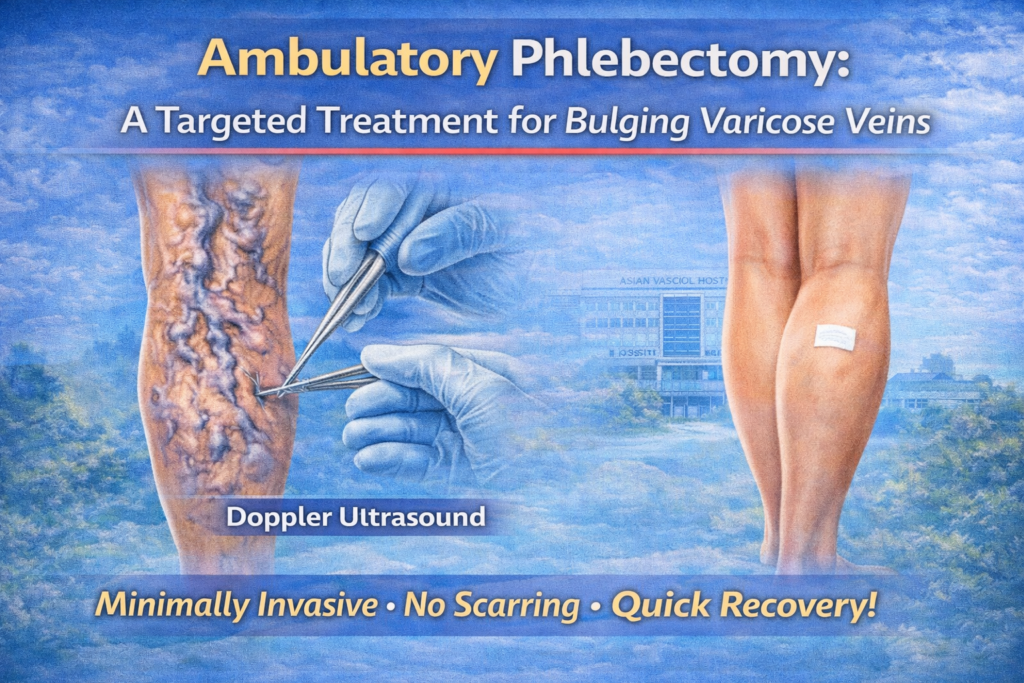
Bulging, rope-like veins that protrude above the skin are often uncomfortable and cosmetically distressing. For these visible surface veins, ambulatory phlebectomy for varicose veins is a highly effective and minimally invasive solution. This specialized vein removal procedure is commonly performed as an outpatient varicose vein surgery, offering immediate cosmetic improvement and long-term symptom relief. What Is Ambulatory Phlebectomy? Ambulatory phlebectomy for varicose veins is a minor surgical procedure that removes large surface veins through tiny skin punctures. Unlike older vein stripping methods, this technique targets only the problematic veins without major incisions. It is considered an advanced surface varicose veins treatment, especially when veins are too large for simple injection therapy but do not require major surgery. Because it is performed under local anesthesia, patients can walk immediately after the procedure — which is why it is categorized as outpatient varicose vein surgery. When Is It Recommended? Doctors typically suggest ambulatory phlebectomy for varicose veins when: Veins are visibly bulging There is discomfort or heaviness in legs Cosmetic concerns are significant Veins persist after EVLT or RFA Large surface veins are present It is often part of a broader surface varicose veins treatment plan. In many cases, ambulatory phlebectomy for varicose veins is combined with EVLT or RFA to treat both the underlying reflux and the visible veins. Procedure Steps Understanding the vein removal procedure helps reduce anxiety. Vein Mapping: Ultrasound identifies faulty veins. Local Anesthesia: The treatment area is numbed. Micro-Incisions: Tiny punctures are made along the vein. Vein Extraction: Special hooks gently remove the vein segments. Compression: A bandage or stocking is applied. This outpatient varicose vein surgery usually takes 30–60 minutes depending on the number of veins treated. Ambulatory phlebectomy for varicose veins is precise, targeted, and avoids large surgical cuts. Recovery & Scarring One of the major advantages of ambulatory phlebectomy for varicose veins is fast recovery. Walking is encouraged immediately Most patients resume normal activity within 24–48 hours Mild bruising may occur Scars are minimal due to tiny incisions Because it is a minimally invasive vein removal procedure, scarring is typically barely noticeable once healed. Can It Be Combined With EVLT or RFA? Yes — and often it should be. While EVLT and RFA treat deeper refluxing veins, ambulatory phlebectomy for varicose veins removes the bulging surface veins left behind. This combination approach is often considered the best treatment for varicose veins when both cosmetic and medical correction are required. Many specialists recommend: EVLT/RFA for the source vein Ambulatory phlebectomy for surface varicose veins treatment This dual approach improves long-term outcomes and appearance. Who Is a Good Candidate? You may benefit from ambulatory phlebectomy for varicose veins if you: Have large, protruding veins Experience heaviness or aching Want immediate cosmetic improvement Prefer outpatient varicose vein surgery A proper Doppler scan helps determine whether this vein removal procedure is appropriate. Expert Vein Treatment in Hyderabad For advanced evaluation and minimally invasive vein care, patients can consult specialists at Asian Vascular Hospitals, offering comprehensive diagnosis and modern treatment options including EVLT, RFA, and ambulatory phlebectomy. 📞 Call: +91 81439 98831 🌐 Visit: asianvascularhospitals.com 🚑 24/7 emergency vascular care available Final Takeaway Ambulatory phlebectomy for varicose veins is a safe, targeted, and effective solution for large bulging surface veins. When combined with advanced treatments like EVLT or RFA, it offers one of the best treatment strategies for varicose veins — restoring comfort, confidence, and healthy circulation. Recent Posts All Post blog Varicose Veins Treatment Based on Vein Size: What Works Best? Ambulatory Phlebectomy: A Targeted Treatment for Bulging Varicose Veins Diagnostic Tests Before Vascular Surgery: Doppler, Angiography & More Vascular Surgery vs Medication: How Doctors Decide the Right Treatment Sclerotherapy for Varicose and Spider Veins: Treatment & Results Heel Pain Causes and Modern Treatment Options Vascular Conditions That May Require Surgical Treatment EVLT vs RFA: Which Is the Best Treatment for Varicose… When Is Vascular Surgery Required? Symptoms You Should Not Ignore When Foot Pain Is a Warning Sign — Not Just…
Diagnostic Tests Before Vascular Surgery: Doppler, Angiography & More
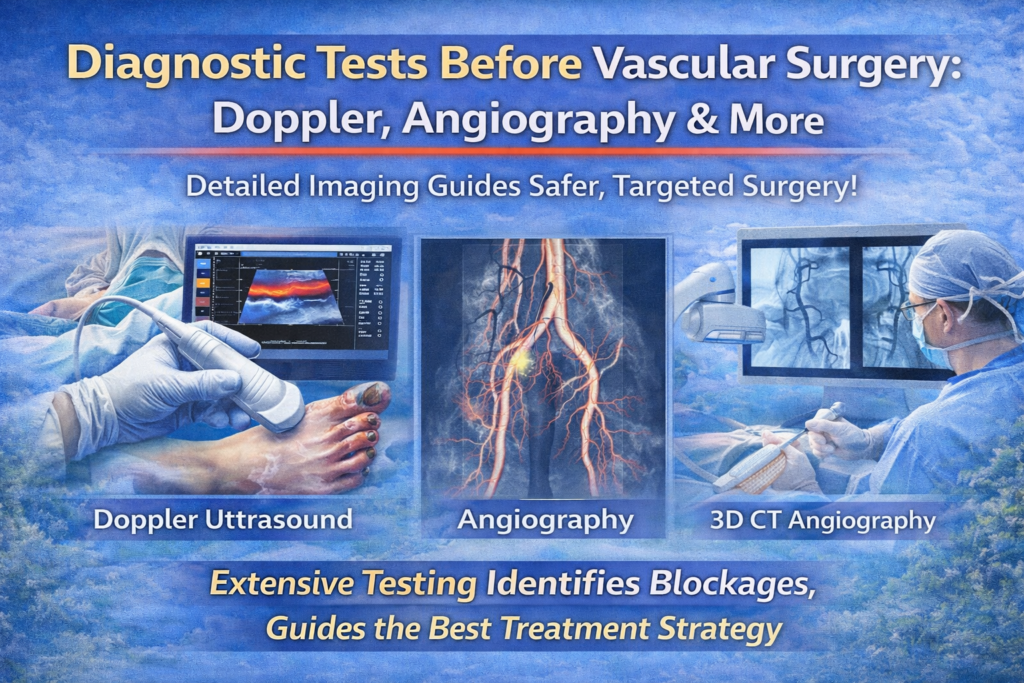
Before recommending any procedure, doctors rely on detailed imaging and circulation studies. These diagnostic tests before vascular surgery help determine the severity of blockage, blood flow patterns, and the safest treatment plan. Specialists providing vascular surgery in hyderabad follow structured evaluation protocols to ensure that surgery is only advised when truly necessary. Proper testing improves safety, accuracy, and long-term outcomes. Why Diagnostic Testing Is Essential Vascular conditions often develop silently. Symptoms like leg pain, swelling, or non-healing wounds may not reflect the full extent of arterial or venous damage. That’s why diagnostic tests before vascular surgery are critical. Experienced teams offering vascular surgery in hyderabad use these tests to: Confirm diagnosis Measure blood flow reduction Locate exact blockage sites Decide between medication or surgery Plan minimally invasive procedures Accurate testing ensures that vascular surgery in hyderabad is precise and personalized. Common Diagnostic Tests Before Vascular Surgery 1. Doppler Ultrasound Doppler ultrasound is often the first step in diagnostic tests before vascular surgery. It uses sound waves to evaluate blood flow through arteries and veins. Doctors performing vascular surgery in hyderabad use Doppler studies to detect: Peripheral artery disease (PAD) Deep vein thrombosis (DVT) Venous insufficiency Blocked or narrowed arteries This test is non-invasive, painless, and highly informative. 2. CT Angiography (CTA) CT angiography provides detailed 3D images of blood vessels. Among the most advanced diagnostic tests before vascular surgery, it helps map complex arterial blockages or aneurysms. In advanced vascular surgery in hyderabad centers, CTA is frequently used to plan: Stenting procedures Bypass surgery Aneurysm repair This imaging ensures that vascular surgery in hyderabad is accurately targeted. 3. MR Angiography (MRA) MRA uses magnetic fields to visualize blood vessels without radiation exposure. It is another important option among diagnostic tests before vascular surgery, particularly for patients with kidney concerns. Many specialists in vascular surgery in hyderabad rely on MRA for detailed vascular mapping when contrast CT is not ideal. 4. Digital Subtraction Angiography (DSA) DSA is considered a gold-standard imaging method. It is both diagnostic and sometimes therapeutic. During certain vascular surgery in hyderabad procedures, DSA allows doctors to see blockages in real time and treat them simultaneously. This is one of the most precise diagnostic tests before vascular surgery, especially in complex cases. Additional Pre-Surgical Evaluations Beyond imaging, doctors may perform: Blood tests Cardiac risk assessment Ankle-brachial index (ABI) Wound perfusion studies These evaluations ensure patients undergoing vascular surgery in hyderabad are medically fit and optimized for recovery. How Testing Improves Surgical Outcomes Comprehensive diagnostic tests before vascular surgery reduce complications and increase procedural success rates. Proper imaging helps surgeons: Choose minimally invasive options Avoid unnecessary open surgery Reduce operative time Improve limb-salvage success Advanced vascular surgery in hyderabad centers prioritize detailed planning to deliver safer outcomes. Expert Evaluation in Hyderabad For thorough vascular assessment and advanced imaging support, patients can consult specialists at Asian Vascular Hospitals, offering comprehensive pre-surgical evaluation and modern treatment planning. 📞 Call: +91 81439 98831 🌐 Visit: asianvascularhospitals.com 🚑 24/7 emergency vascular care available Final Takeaway Accurate diagnostic tests before vascular surgery are the foundation of safe and effective treatment. Whether using Doppler, angiography, or advanced imaging, early and precise evaluation ensures the best outcomes in vascular surgery in hyderabad and reduces unnecessary risk. Recent Posts All Post blog Diagnostic Tests Before Vascular Surgery: Doppler, Angiography & More Vascular Surgery vs Medication: How Doctors Decide the Right Treatment Sclerotherapy for Varicose and Spider Veins: Treatment & Results Heel Pain Causes and Modern Treatment Options Vascular Conditions That May Require Surgical Treatment EVLT vs RFA: Which Is the Best Treatment for Varicose… When Is Vascular Surgery Required? Symptoms You Should Not Ignore When Foot Pain Is a Warning Sign — Not Just… Radiofrequency Ablation (RFA) for Varicose Veins: Is It Right for… Minimally Invasive Vascular Surgery: Benefits, Procedures & Recovery
Vascular Surgery vs Medication: How Doctors Decide the Right Treatment
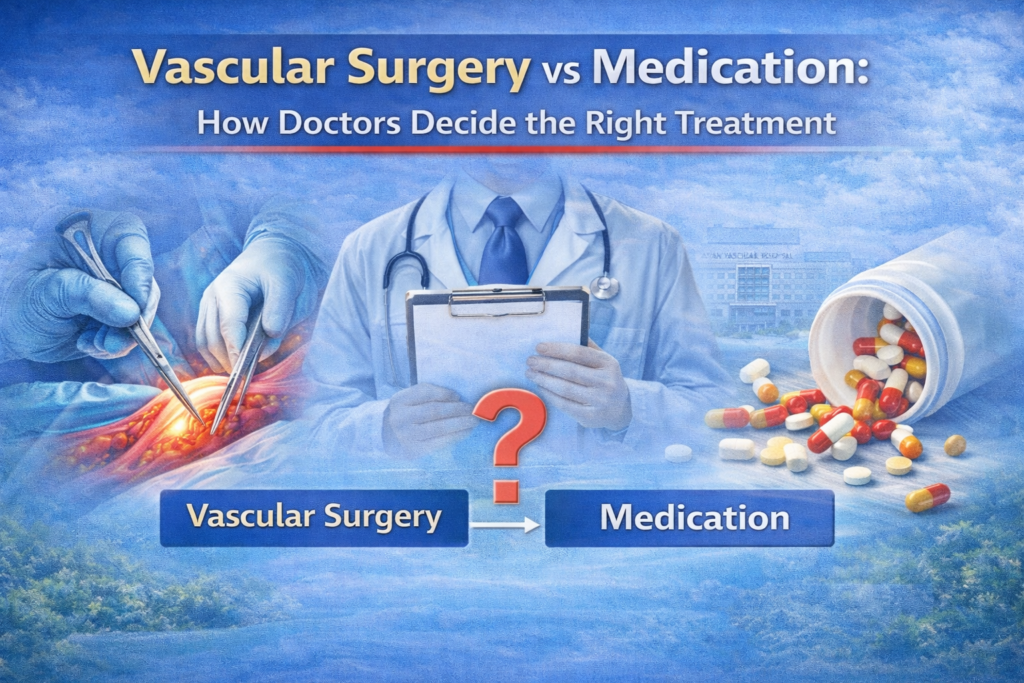
When patients are diagnosed with circulation problems, one of the most common questions is about vascular surgery vs medication. Is surgery always necessary? Can medicines alone fix the issue? The answer depends on disease severity, symptoms, and overall risk factors. An experienced vascular surgeon hyderabad specialist carefully evaluates each case before recommending a treatment plan. The goal is always the safest and most effective outcome — not immediate surgery. Understanding Vascular Surgery vs Medication The debate around vascular surgery vs medication is not about choosing one over the other blindly. Instead, doctors determine which approach offers better long-term benefits. In early-stage vascular disease, a vascular surgeon hyderabad expert may first recommend medication combined with lifestyle changes. However, in advanced stages, surgery may be required to prevent serious complications. When Medication Is the First Line of Treatment Medication is usually recommended when: Artery narrowing is mild Symptoms are manageable There is no tissue damage Blood flow reduction is not critical A vascular surgeon hyderabad may prescribe: Blood thinners Cholesterol-lowering drugs Blood pressure medication Circulation-enhancing drugs In many vascular surgery vs medication decisions, conservative therapy is attempted first — especially in stable cases. When Vascular Surgery Becomes Necessary There are situations where medication alone is not enough. In such cases, vascular surgery vs medication shifts clearly toward procedural intervention. A vascular surgeon hyderabad may advise surgery when: There is severe arterial blockage Leg pain occurs even at rest Non-healing wounds develop Aneurysms pose rupture risk Blood clots threaten vital organs At this stage, delaying intervention can worsen outcomes. A skilled vascular surgeon hyderabad focuses on restoring blood flow through minimally invasive or open procedures depending on the condition. Types of Surgical Procedures When vascular surgery vs medication favors intervention, procedures may include: Angioplasty and stenting Bypass surgery Endovascular aneurysm repair Clot removal (thrombectomy) A qualified vascular surgeon hyderabad will choose the least invasive option whenever possible to reduce recovery time and complications. How Doctors Make the Final Decision Choosing between vascular surgery vs medication involves: Doppler ultrasound studies CT angiography Symptom assessment Risk factor evaluation Overall patient health A trusted vascular surgeon hyderabad considers age, diabetes status, heart health, and mobility before making recommendations. The decision is always personalized — not protocol-driven. Why Early Consultation Matters Many patients delay care due to fear of surgery. However, in the vascular surgery vs medication discussion, early consultation often means surgery can be avoided altogether. Seeing a vascular surgeon hyderabad at the first sign of circulation problems allows for preventive treatment before complications develop. Expert Vascular Care in Hyderabad For comprehensive evaluation and personalized care, patients can consult specialists at Asian Vascular Hospitals, known for advanced diagnostics and patient-centered vascular management. 📞 Call: +91 81439 98831 🌐 Visit: asianvascularhospitals.com 🚑 24/7 emergency vascular care available Final Takeaway The choice between vascular surgery vs medication depends entirely on the severity and urgency of the condition. A qualified vascular surgeon hyderabad specialist evaluates each case carefully to recommend the safest and most effective treatment path. Early diagnosis improves outcomes and may prevent the need for major procedures. Recent Posts All Post blog Diagnostic Tests Before Vascular Surgery: Doppler, Angiography & More Vascular Surgery vs Medication: How Doctors Decide the Right Treatment Sclerotherapy for Varicose and Spider Veins: Treatment & Results Heel Pain Causes and Modern Treatment Options Vascular Conditions That May Require Surgical Treatment EVLT vs RFA: Which Is the Best Treatment for Varicose… When Is Vascular Surgery Required? Symptoms You Should Not Ignore When Foot Pain Is a Warning Sign — Not Just… Radiofrequency Ablation (RFA) for Varicose Veins: Is It Right for… Minimally Invasive Vascular Surgery: Benefits, Procedures & Recovery
Sclerotherapy for Varicose and Spider Veins: Treatment & Results
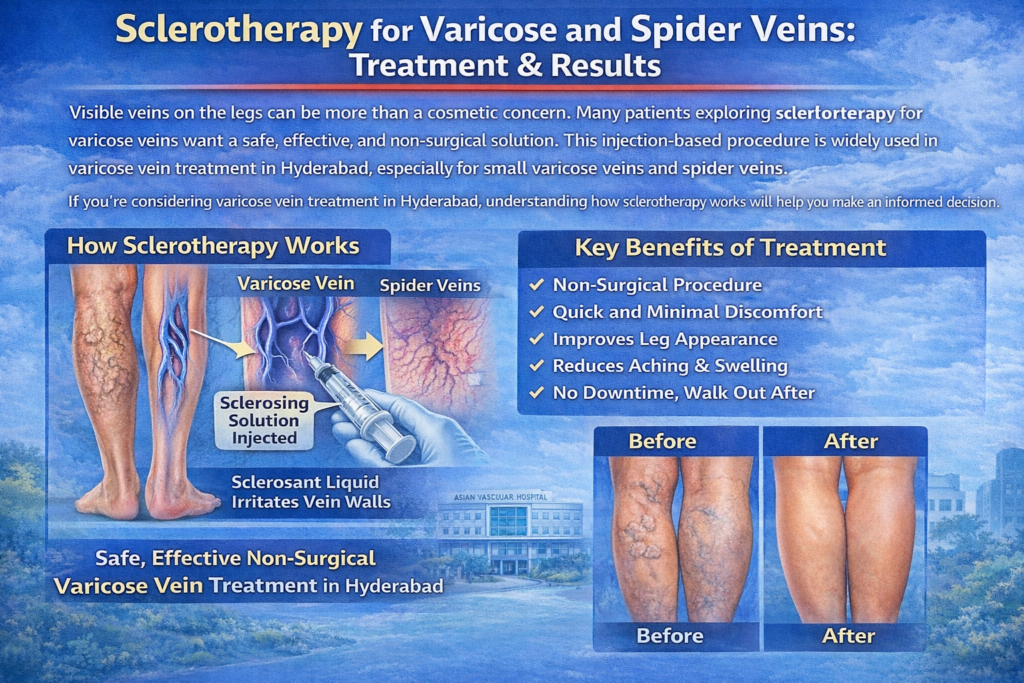
Visible veins on the legs can be more than a cosmetic concern. Many patients exploring sclerotherapy for varicose veins want a safe, effective, and non-surgical solution. This injection-based procedure is widely used in varicose vein treatment in hyderabad, especially for small varicose veins and spider veins. If you’re considering varicose vein treatment in hyderabad, understanding how sclerotherapy works will help you make an informed decision. What Is Sclerotherapy? Sclerotherapy for varicose veins is a minimally invasive injection treatment for varicose veins. A medical solution (called a sclerosant) is injected directly into the affected vein. This irritates the vein lining, causing it to collapse and eventually fade. Specialists offering varicose vein treatment in hyderabad commonly recommend this method for: Small varicose veins Spider veins Residual veins after laser treatment Cosmetic vein concerns Because it is a non-surgical vein treatment, sclerotherapy requires no stitches and minimal downtime. Types of Veins Treated Sclerotherapy for varicose veins is most effective for smaller surface veins. Spider Veins Spider vein treatment is one of the most common reasons patients seek varicose vein treatment in hyderabad. These thin, web-like veins respond very well to injection therapy. Small Varicose Veins Bulging but smaller veins that do not require laser or radiofrequency ablation are ideal candidates for varicose vein treatment in hyderabad using sclerotherapy. Foam Sclerotherapy for Larger Veins Foam sclerotherapy is a variation where the medication is mixed with air to form foam. This improves contact with the vein wall and increases effectiveness. Many advanced varicose vein treatment in hyderabad centers use foam sclerotherapy for better results in medium-sized veins. Procedure & Safety During sclerotherapy for varicose veins: The doctor cleans the skin. A fine needle injects the sclerosant into the vein. Compression may be applied afterward. The procedure usually takes 15–30 minutes and is performed in outpatient settings providing varicose vein treatment in hyderabad. Is It Safe? Yes, when performed by experienced specialists. As part of structured varicose vein treatment in hyderabad, ultrasound guidance may be used for precision. Side effects are typically mild and temporary, such as: Mild swelling Temporary bruising Skin discoloration Serious complications are rare when done correctly. Results & Number of Sessions Needed Results from sclerotherapy for varicose veins appear gradually. Treated veins usually fade within 3–6 weeks for spider veins and slightly longer for larger veins. Most patients undergoing varicose vein treatment in hyderabad require: 1–3 sessions for spider veins Multiple sessions for extensive vein networks Compression stockings are often advised after each session to enhance results. Is It the Best Treatment for Small Varicose Veins? For small and cosmetic veins, sclerotherapy for varicose veins is often considered the best option. It is: Non-surgical vein treatment Quick and convenient Cost-effective Highly effective for spider vein treatment However, larger veins may require laser or radiofrequency procedures. Specialists providing varicose vein treatment in hyderabad typically perform Doppler evaluation first to decide the best approach. Expert Vein Care in Hyderabad For safe and advanced varicose vein treatment in hyderabad, patients can consult specialists at Asian Vascular Hospitals, offering comprehensive diagnosis and modern minimally invasive vein procedures. 📞 Call: +91 81439 98831 🌐 Visit: asianvascularhospitals.com 🚑 24/7 emergency vascular care available Final Takeaway Sclerotherapy for varicose veins remains one of the most effective solutions for spider veins and small surface veins. As part of expert varicose vein treatment in hyderabad, it offers excellent cosmetic and medical results with minimal downtime when performed by trained vascular specialists. Recent Posts All Post blog Sclerotherapy for Varicose and Spider Veins: Treatment & Results Heel Pain Causes and Modern Treatment Options Vascular Conditions That May Require Surgical Treatment EVLT vs RFA: Which Is the Best Treatment for Varicose… When Is Vascular Surgery Required? Symptoms You Should Not Ignore When Foot Pain Is a Warning Sign — Not Just… Radiofrequency Ablation (RFA) for Varicose Veins: Is It Right for… Minimally Invasive Vascular Surgery: Benefits, Procedures & Recovery Diabetic Foot Problems: Early Warning Signs, Advanced Care & Limb-Saving… Endovenous Laser Treatment for Varicose Veins: Procedure, Benefits & Recovery
Heel Pain Causes and Modern Treatment Options
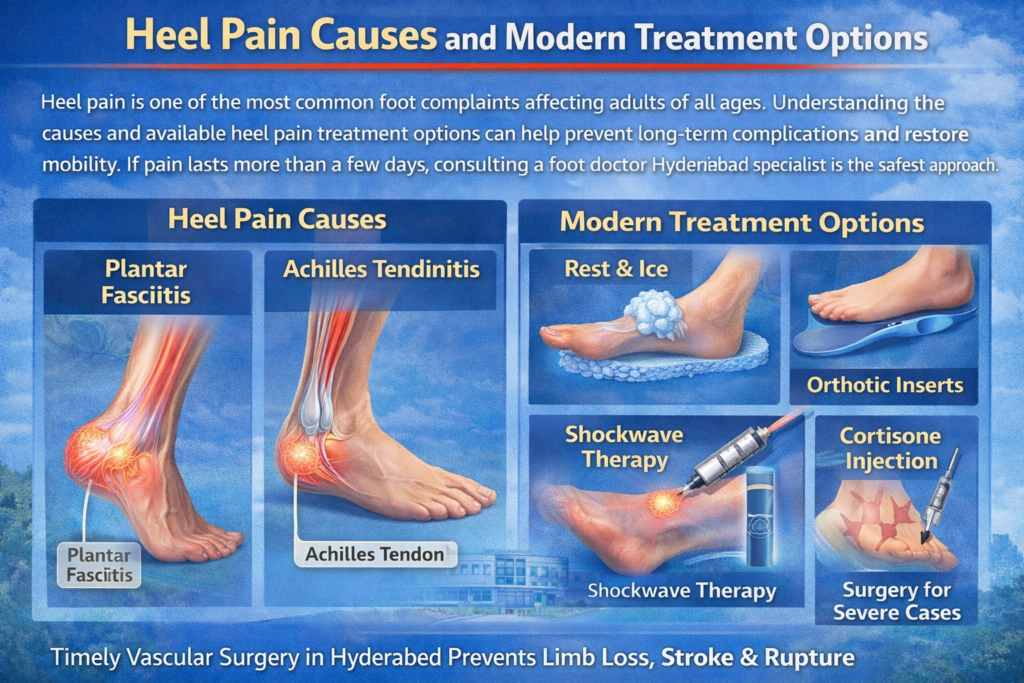
Heel pain is one of the most common foot complaints affecting adults of all ages. While some cases improve with rest, persistent discomfort may require medical attention. Understanding the causes and available heel pain treatment options can help prevent long-term complications and restore mobility. If pain lasts more than a few days, consulting a foot doctor hyderabad specialist is the safest approach. Common Causes of Heel Pain 1. Plantar Fasciitis This is the leading cause of heel pain. It occurs when the thick tissue band connecting your heel to your toes becomes inflamed. A foot doctor hyderabad expert often diagnoses this condition through physical examination and gait assessment. 2. Heel Spurs Calcium deposits forming on the heel bone may cause sharp discomfort. Many patients seeking heel pain treatment options discover heel spurs through X-rays recommended by a foot doctor hyderabad clinic. 3. Achilles Tendinitis Overuse injuries affecting the Achilles tendon can lead to pain at the back of the heel. A foot doctor hyderabad evaluation helps determine severity and prevent rupture. 4. Stress Fractures Repeated strain from sports or prolonged standing may cause tiny cracks in the heel bone. These require immediate medical review and structured heel pain treatment options guided by a foot doctor hyderabad specialist. 5. Nerve Compression Conditions like tarsal tunnel syndrome can cause burning or tingling heel pain. A foot doctor hyderabad assessment can identify nerve-related causes early. Modern Heel Pain Treatment Options Treatment depends on the root cause. Effective heel pain treatment options include both conservative and advanced approaches. Conservative Treatments Rest and activity modification Ice therapy Anti-inflammatory medications Supportive footwear Custom orthotics prescribed by a foot doctor hyderabad These methods are usually the first line of heel pain treatment options. Physical Therapy Stretching exercises, strengthening routines, and gait correction can significantly reduce pain. Many patients are guided by a foot doctor hyderabad to ensure proper technique. Injection Therapy For persistent inflammation, targeted injections may be recommended as part of advanced heel pain treatment options. Minimally Invasive Procedures When conservative care fails, minimally invasive procedures may be suggested. A qualified foot doctor hyderabad will recommend surgical intervention only if absolutely necessary. When to See a Specialist Consult a foot doctor hyderabad immediately if you experience: Heel pain lasting more than 1–2 weeks Severe morning pain Swelling or redness Difficulty walking Pain after injury Early evaluation ensures appropriate heel pain treatment options and prevents worsening symptoms. Expert Foot Care in Hyderabad For comprehensive diagnosis and modern care, patients can consult specialists at Asian Vascular Hospitals, offering advanced diagnostics and structured treatment plans for foot and vascular conditions. 📞 Call: +91 81439 98831 🌐 Visit: asianvascularhospitals.com 🚑 24/7 emergency vascular care available Heel pain should never be ignored if it persists. With the right diagnosis and personalized heel pain treatment options, most patients recover fully. A timely visit to a foot doctor hyderabad specialist ensures faster relief and long-term foot health. Recent Posts All Post blog Heel Pain Causes and Modern Treatment Options Vascular Conditions That May Require Surgical Treatment EVLT vs RFA: Which Is the Best Treatment for Varicose… When Is Vascular Surgery Required? Symptoms You Should Not Ignore When Foot Pain Is a Warning Sign — Not Just… Radiofrequency Ablation (RFA) for Varicose Veins: Is It Right for… Minimally Invasive Vascular Surgery: Benefits, Procedures & Recovery Diabetic Foot Problems: Early Warning Signs, Advanced Care & Limb-Saving… Endovenous Laser Treatment for Varicose Veins: Procedure, Benefits & Recovery Best Vascular Surgeon in Hyderabad: Expert Care for Your Vascular…
Vascular Conditions That May Require Surgical Treatment
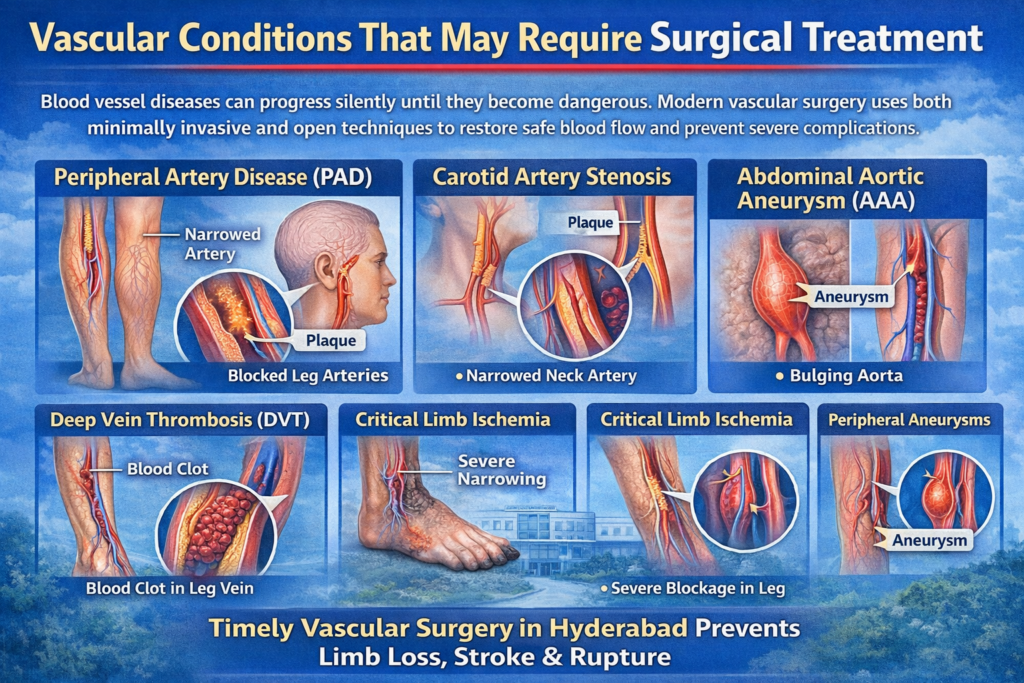
Blood vessel diseases can progress silently until they become dangerous. Understanding vascular conditions requiring surgery helps patients seek timely care and prevent severe complications such as limb loss, stroke, or rupture. Not every vascular disorder needs an operation — but when circulation is critically reduced or vessel structure is damaged, Vascular Surgery in Hyderabad may be recommended to restore safe blood flow. Modern Vascular Surgery in Hyderabad includes both minimally invasive and open techniques, chosen based on disease severity and patient health status. Peripheral Artery Disease (PAD) Peripheral Artery Disease occurs when arteries in the legs become narrowed due to plaque buildup. Mild PAD may be treated with medication and lifestyle changes, but advanced blockage is one of the most common vascular conditions requiring surgery. Doctors may advise Vascular Surgery in Hyderabad when patients develop: Severe walking pain (claudication) Rest pain in feet or toes Non-healing ulcers Threatened limb viability Procedures can include angioplasty, stenting, or bypass — all standard options in Vascular Surgery in Hyderabad centers. Deep Vein Thrombosis (DVT) DVT is a blood clot in a deep vein, usually in the leg. Many cases are treated with blood thinners, but large or high-risk clots are vascular conditions requiring surgery or catheter-based removal. Emergency-focused Vascular Surgery in Hyderabad units may perform clot removal or thrombolysis when: Clot burden is extensive There is risk of lung embolism Symptoms are rapidly worsening Early intervention through Vascular Surgery in Hyderabad can prevent life-threatening complications. Aneurysms An aneurysm is a dangerous ballooning of an artery wall. Once it reaches a certain size, rupture risk increases sharply. This makes aneurysms one of the clearest vascular conditions requiring surgery. Common sites include: Aortic aneurysm Peripheral artery aneurysm Specialists performing Vascular Surgery in Hyderabad repair aneurysms using stent grafts or surgical reconstruction before rupture occurs. Advanced Varicose Veins Not all varicose veins need procedures — but complicated vein disease can become one of the vascular conditions requiring surgery when patients develop: Recurrent bleeding Venous ulcers Severe swelling Skin damage Today, Vascular Surgery in Hyderabad often treats these cases with minimally invasive methods such as laser ablation, radiofrequency, or embolization instead of traditional stripping. Diabetic Foot & Critical Limb Ischemia Diabetes-related circulation damage can lead to non-healing wounds and tissue death. These are serious vascular conditions requiring surgery, especially when blood supply must be restored urgently. Vascular Surgery in Hyderabad may include: Limb salvage revascularization Targeted angioplasty Hybrid vascular procedures Timely Vascular Surgery in Hyderabad intervention significantly improves limb preservation rates. When Doctors Decide Surgery Is Needed Not every case goes straight to operation. Teams offering Vascular Surgery in Hyderabad use: Doppler studies CT angiography Ultrasound mapping Perfusion assessment Surgery is recommended only when benefits clearly outweigh risks. Specialist Vascular Care Patients with suspected vascular conditions requiring surgery should seek expert evaluation early. Asian Vascular Hospitals is a dedicated vascular center providing advanced diagnostics, minimally invasive procedures, and limb-salvage focused Vascular Surgery in Hyderabad care with experienced specialists. 📞 Call: +91 81439 98831 🌐 Visit: asianvascularhospitals.com 🚑 24/7 emergency vascular care available Final Takeaway Several vascular conditions requiring surgery — including PAD, DVT, aneurysm, varicose vein complications, and diabetic foot — can become dangerous if ignored. Early evaluation and timely Vascular Surgery in Hyderabad treatment greatly improve outcomes and reduce long-term risk. Recent Posts All Post blog Vascular Conditions That May Require Surgical Treatment EVLT vs RFA: Which Is the Best Treatment for Varicose… When Is Vascular Surgery Required? Symptoms You Should Not Ignore When Foot Pain Is a Warning Sign — Not Just… Radiofrequency Ablation (RFA) for Varicose Veins: Is It Right for… Minimally Invasive Vascular Surgery: Benefits, Procedures & Recovery Diabetic Foot Problems: Early Warning Signs, Advanced Care & Limb-Saving… Endovenous Laser Treatment for Varicose Veins: Procedure, Benefits & Recovery Best Vascular Surgeon in Hyderabad: Expert Care for Your Vascular… Vascular Surgery Hospitals in Hyderabad: Compare Top Centers & Specialists